Review
. 2009;9(15):1337-51.
doi: 10.2174/156802609789895674.

Pharmacological targeting of the Hsp70 chaperone

Affiliations
Review

Pharmacological targeting of the Hsp70 chaperone

Srikanth Patury et al. Curr Top Med Chem. 2009.

Abstract

The molecular chaperone, heat shock protein 70 (Hsp70), acts at multiple steps in a protein's life cycle, including during the processes of folding, trafficking, remodeling and degradation. To accomplish these various tasks, the activity of Hsp70 is shaped by a host of co-chaperones, which bind to the core chaperone and influence its functions. Genetic studies have strongly linked Hsp70 and its co-chaperones to numerous diseases, including cancer, neurodegeneration and microbial pathogenesis, yet the potential of this chaperone as a therapeutic target remains largely underexplored. Here, we review the current state of Hsp70 as a drug target, with a special emphasis on the important challenges and opportunities imposed by its co-chaperones, protein-protein interactions and allostery.


Figures
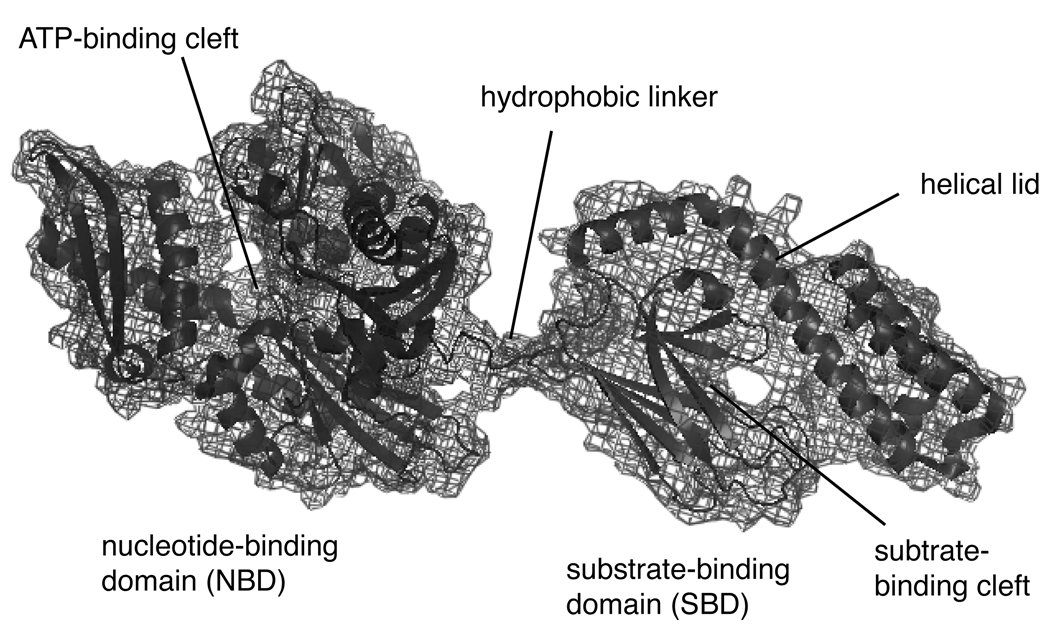
Fig. 1
Fig. 1
Domain architecture of heat shock protein 70 (Hsp70). An N-terminal nucleotide-binding domain (NBD) contains the nucleotide binding and hydrolysis center. The substrate-binding domain (SBD), which binds to exposed hydrophobic polypeptides, is attached through a short linker. The C-terminus of the SBD is a mostly helical subdomain, which is termed the “lid”. The prokaryotic Hsp70, DnaK, is shown (PDB code #2HKO), but the general architecture appears to be conserved amongst prokaryotic and eukayrotic family members.
Fig. 2
Fig. 2
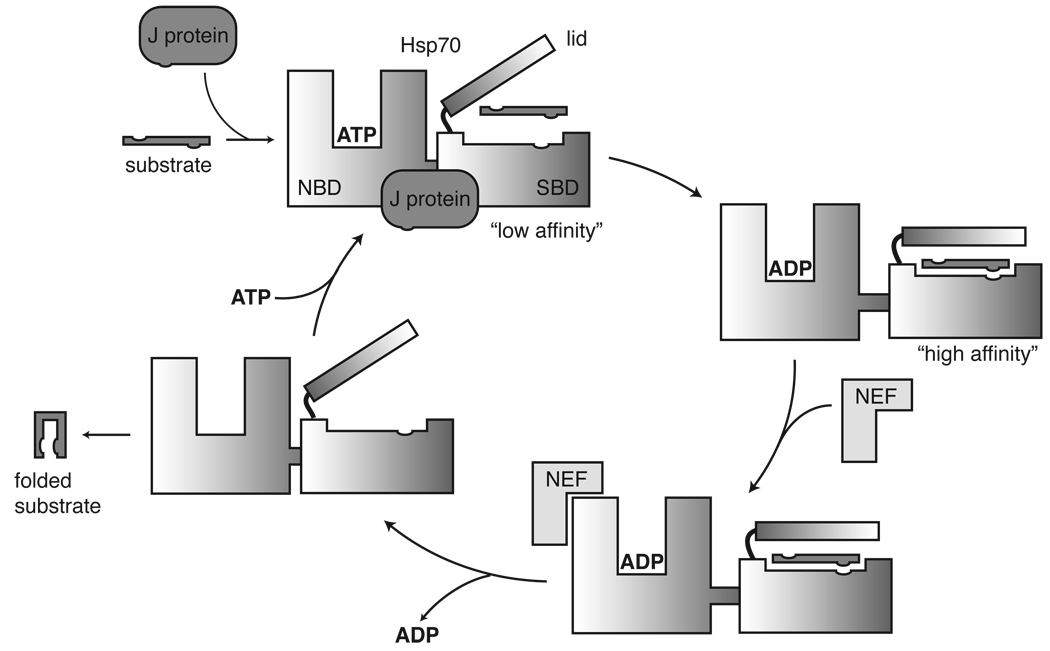
Nucleotide hydrolysis, allostery and substrate binding in the Hsp70 complex. Substrate binding in the SBD, coupled with J-domain co-chaperone interactions in the NBD, promote ATP hydrolysis. Conformational changes associated with ATP conversion close the lid and enhance affinity for the substrate. To complete the cycle, nucleotide exchange factor interacts with the NBD and assists with ADP release. The released substrate can adopt one of many fates, including proper folding (as shown).
Fig. 3
Fig. 3
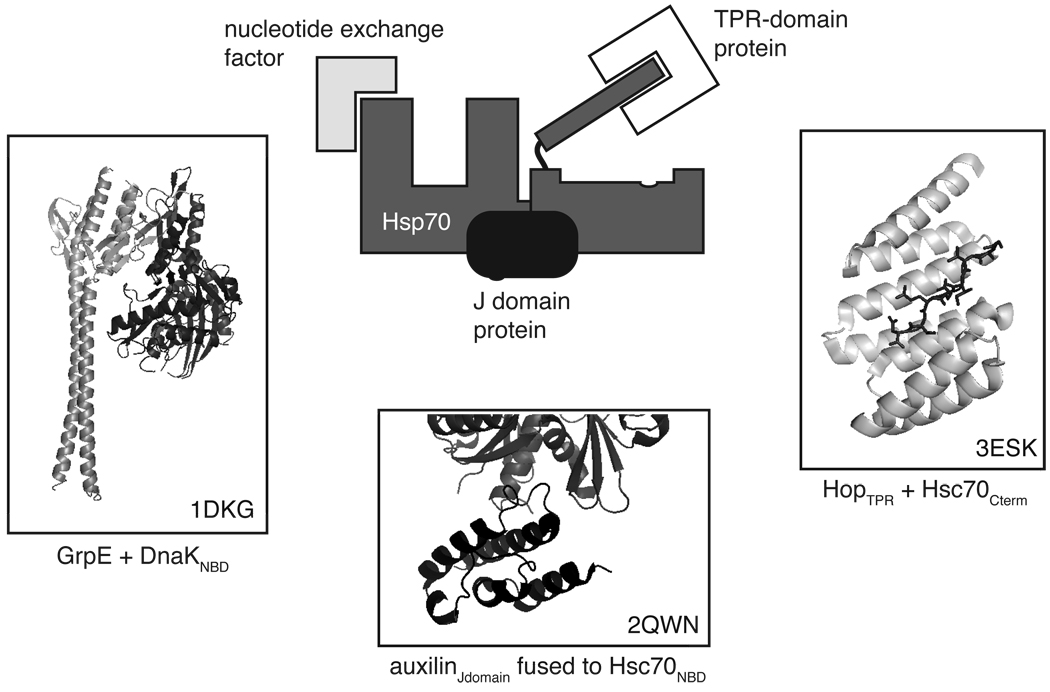
Hsp70 forms the core of a multi-protein machine. A least three distinct classes of co-chaperones interact with Hsp70 and regulate its activity, its localization and the fate of its associated substrates. Representative structures are shown to highlight the macro-molecular interactions and protein-protein surfaces involved in these regulatory conduits. The J domain co-chaperones and NEFs interact with the NBD, while the TPR-domain proteins bind the C-terminal region in the lid. In addition, each cell is thought to harbor multiple co-chaperones from each class, which suggests that combinatorial assembly can occur at these distinct surfaces. The identity of the specific structures and the corresponding PDB code numbers are included. As noted in the text, there are multiple classes of NEFs and only the GrpE interaction is pictured. All images were prepared in PyMol.
Fig. 4
Fig. 4
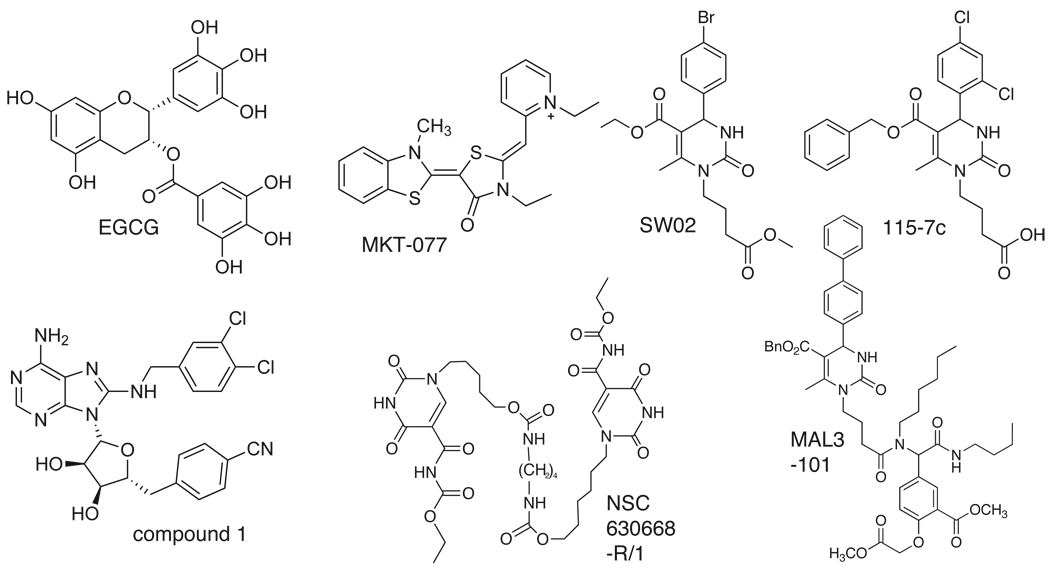
Structures of Hsp70 modulators that are thought to interact with the nucleotide-binding domain (NBD). In some cases, representative structures from a series are shown.
Fig. 5
Fig. 5
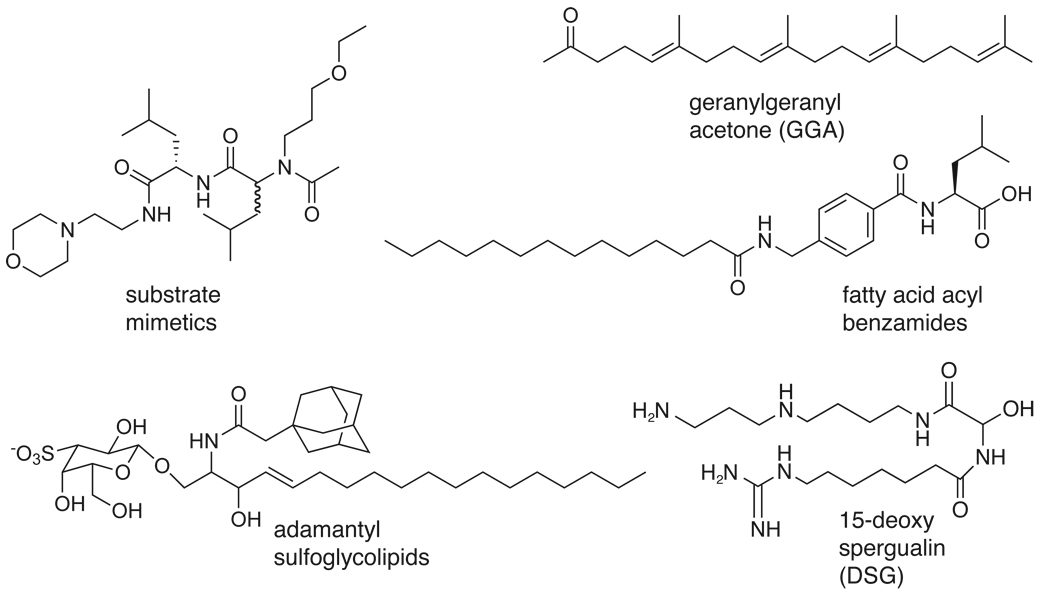
Structures of Hsp70 modulators that are thought to interact with the substrate-binding domain (SBD). In some cases, representative structures from a series are shown.

References

    1. Mayer MP, Bukau B. Hsp70 chaperones: cellular functions and molecular mechanism. Cell Mol Life Sci. 2005;62(6):670–684. - PMC - PubMed
    1. Bukau B, Weissman J, Horwich A. Molecular chaperones and protein quality control. Cell. 2006;125(3):443–451. - PubMed
    1. Genevaux P, Georgopoulos C, Kelley WL. The Hsp70 chaperone machines of Escherichia coli: a paradigm for the repartition of chaperone functions. Mol Microbiol. 2007;66(4):840–857. - PubMed
    1. Frydman J. Folding of newly translated proteins in vivo: the role of molecular chaperones. Annu Rev Biochem. 2001;70:603–647. - PubMed
    1. Kramer G, et al. The ribosome as a platform for co-translational processing, folding and targeting of newly synthesized proteins. Nat Struct Mol Biol. 2009;16(6):589–597. - PubMed

Publication types

MeSH terms