


Transformation of the flax rust fungus, Melampsora lini: selection via silencing of an avirulence gene
- PMID: 19874543
- PMCID: PMC3142615
- DOI: 10.1111/j.1365-313X.2009.04052.x
Transformation of the flax rust fungus, Melampsora lini: selection via silencing of an avirulence gene
Abstract
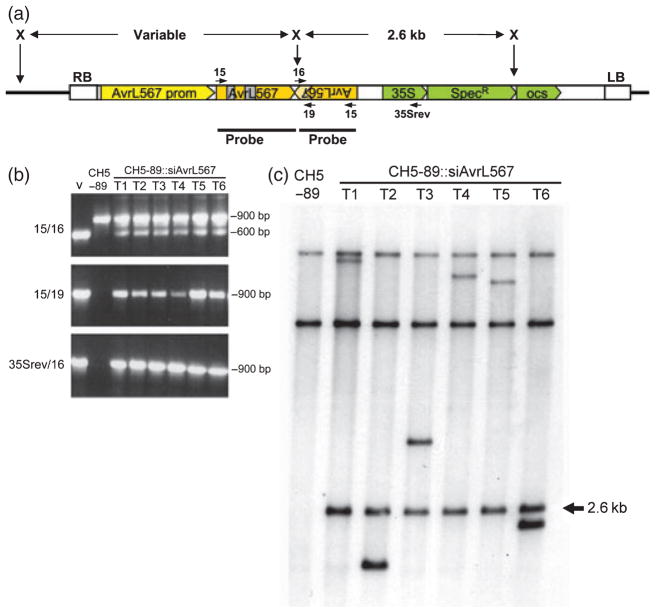
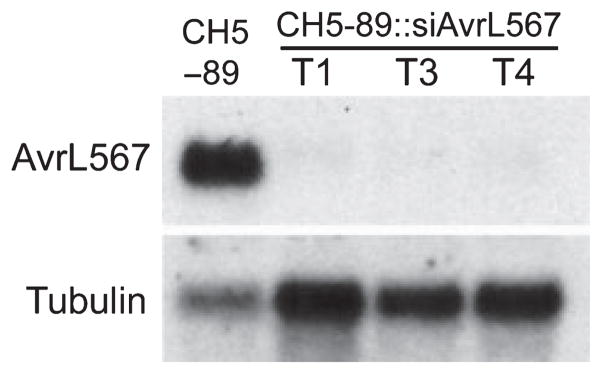
Rust fungi cause devastating diseases on many important food crops, with a damaging stem rust epidemic currently affecting wheat production in Africa and the Middle East. These parasitic fungi propagate exclusively on plants, precluding the use of many biotechnological tools available for other culturable fungi. In particular the lack of a stable transformation system has been an impediment to the genetic manipulation required for molecular analysis of rust pathogenicity. We have developed an Agrobacterium-mediated genetic transformation procedure for the model flax rust fungus Melampsora lini, which infects flax (Linum usitatissimum). Selection of transgenic rust lines is based on silencing of AvrL567, which encodes a rust effector protein that is recognised by the flax L6 immune receptor. The non-transgenic rust line is unable to infect flax plants expressing L6, while silenced transgenic lines are virulent on these plants, providing an effective selection system. This directly confirms that the cloned AvrL567 gene is responsible for flax rust virulence phenotypes, and demonstrates the utility of this system to probe rust gene function.
Figures
References
-
- Anderson JA, Kolmer JA. Rust control in glyphosate tolerant wheat following application of the herbicide glyphosate. Plant Dis. 2005;89:1136–1142. - PubMed
-
- Ayliffe MA, Dodds PN, Lawrence GJ. Characterisation of a β-tubulin gene from Melampsora lini and comparison of fungal β-tubulin genes. Mycol Res. 2001;105:818–826.
Publication types
MeSH terms
Grants and funding
LinkOut - more resources
Full Text Sources
Other Literature Sources
