


Mesalamine inhibits epithelial beta-catenin activation in chronic ulcerative colitis
- PMID: 19879273
- PMCID: PMC2819654
- DOI: 10.1053/j.gastro.2009.10.038
Mesalamine inhibits epithelial beta-catenin activation in chronic ulcerative colitis
Abstract
Background & aims: Mesalamine is a mainstay therapeutic agent in chronic ulcerative colitis (CUC) in which condition it reverses crypt architectural changes and reduces colitis-associated cancer (CAC). The present study addressed the possibility that mesalamine reduces beta-catenin-associated progenitor cell activation, Akt-phosphorylated beta-catenin(Ser552) (P-beta-catenin), and colitis-induced dysplasia (CID).
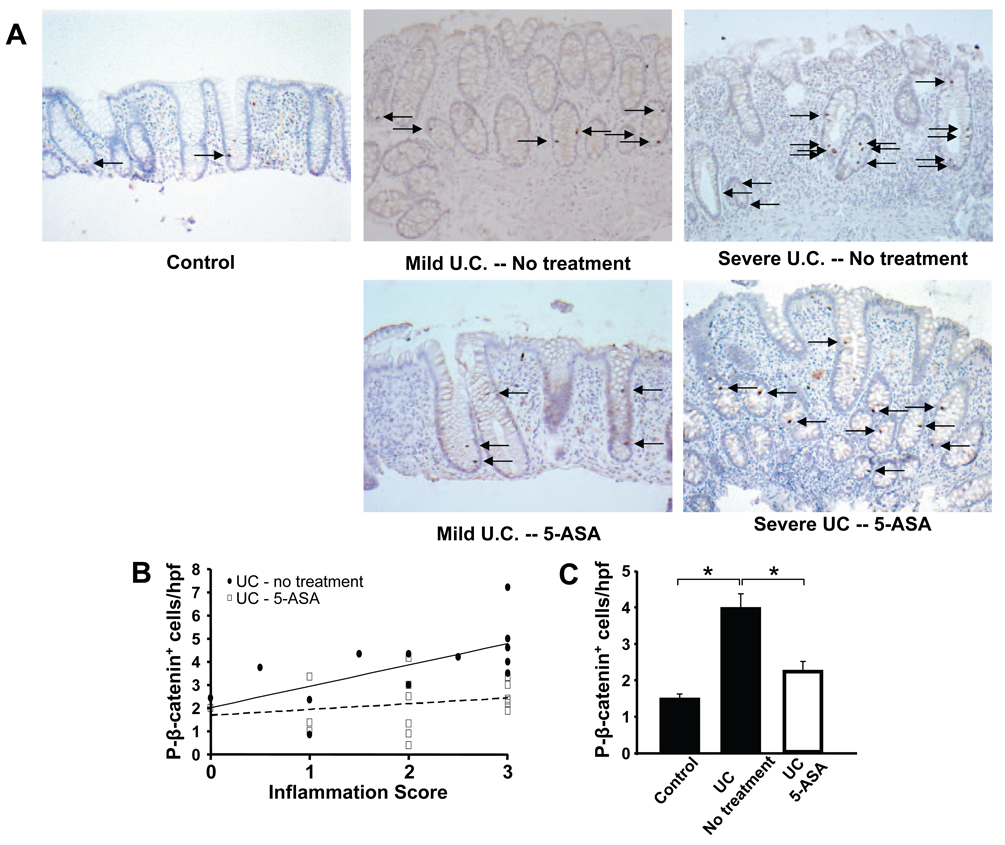
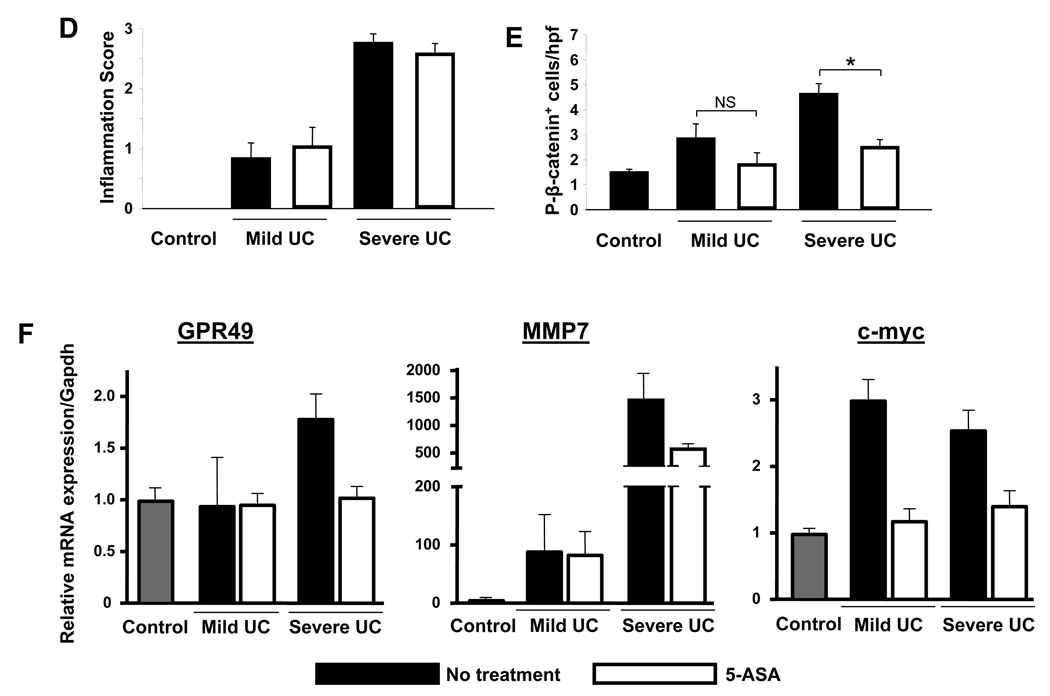
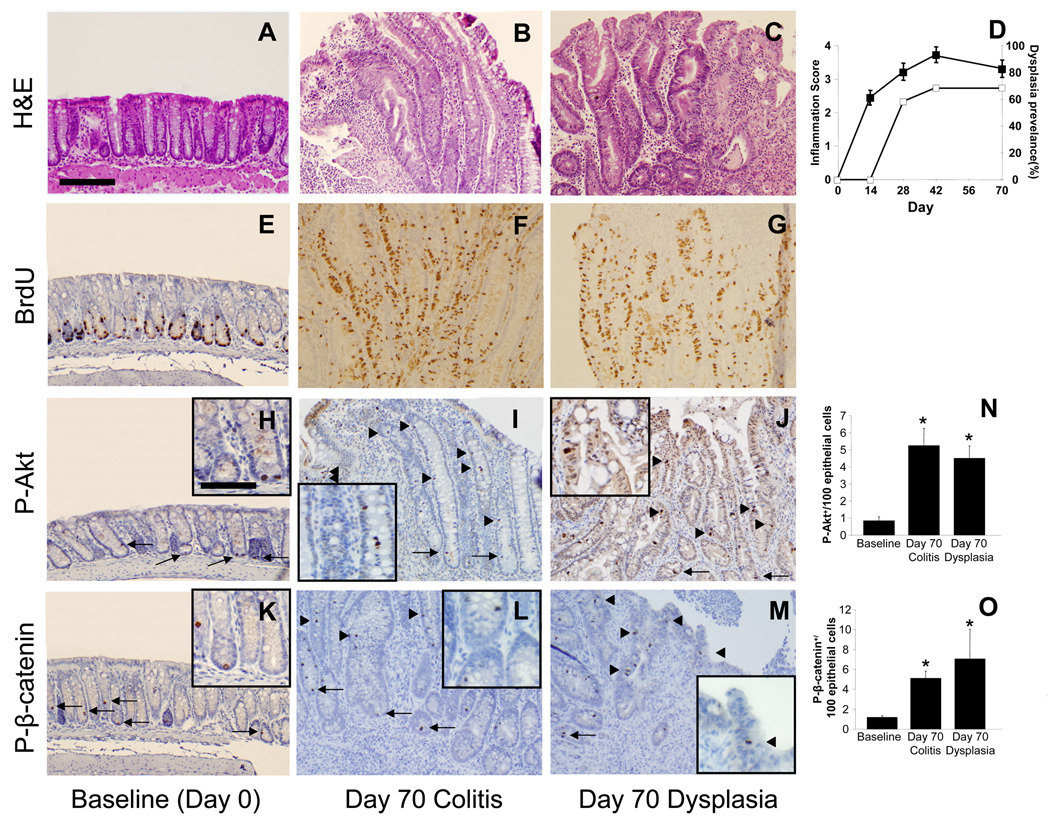
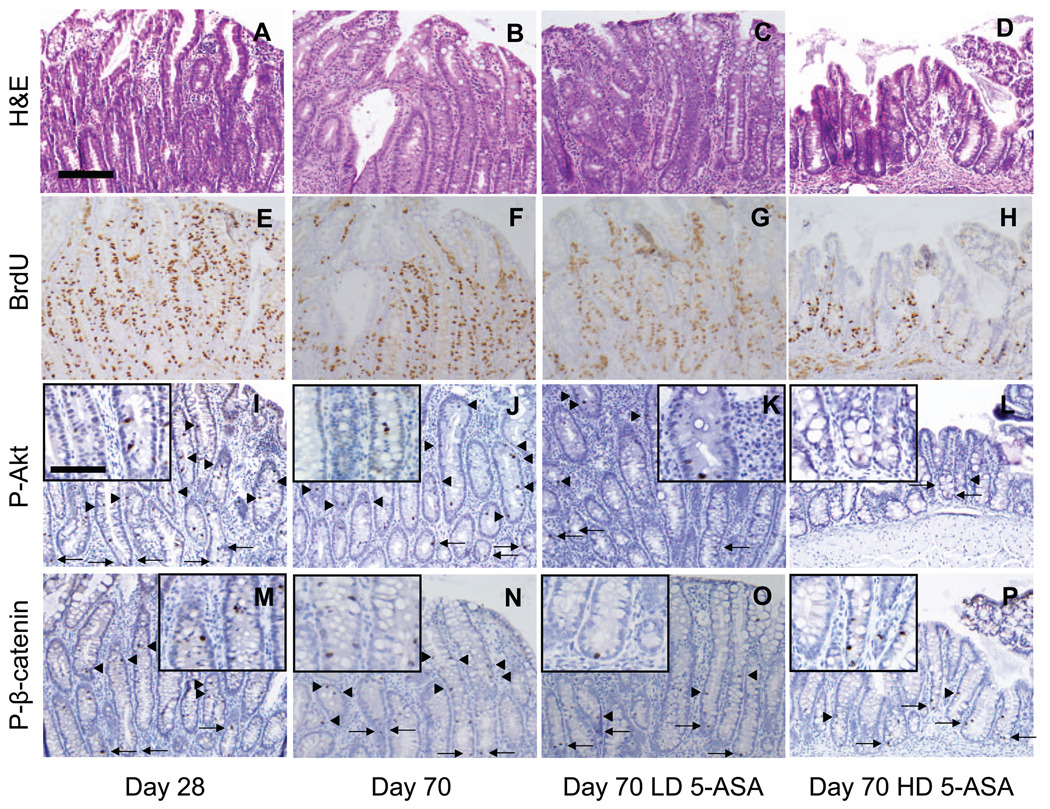
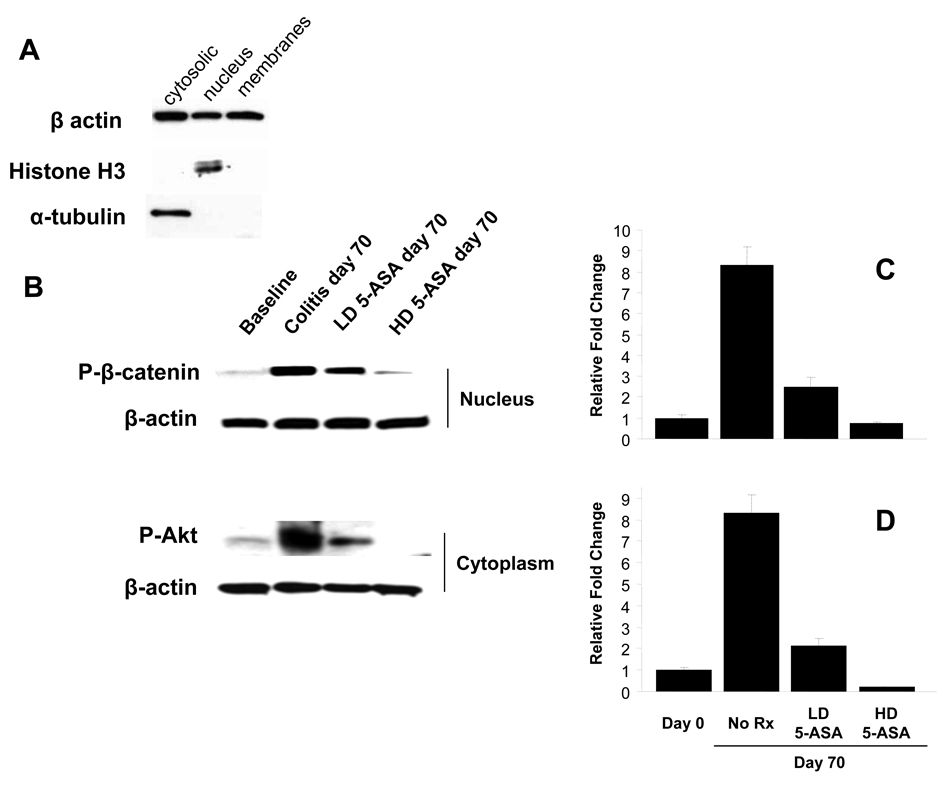
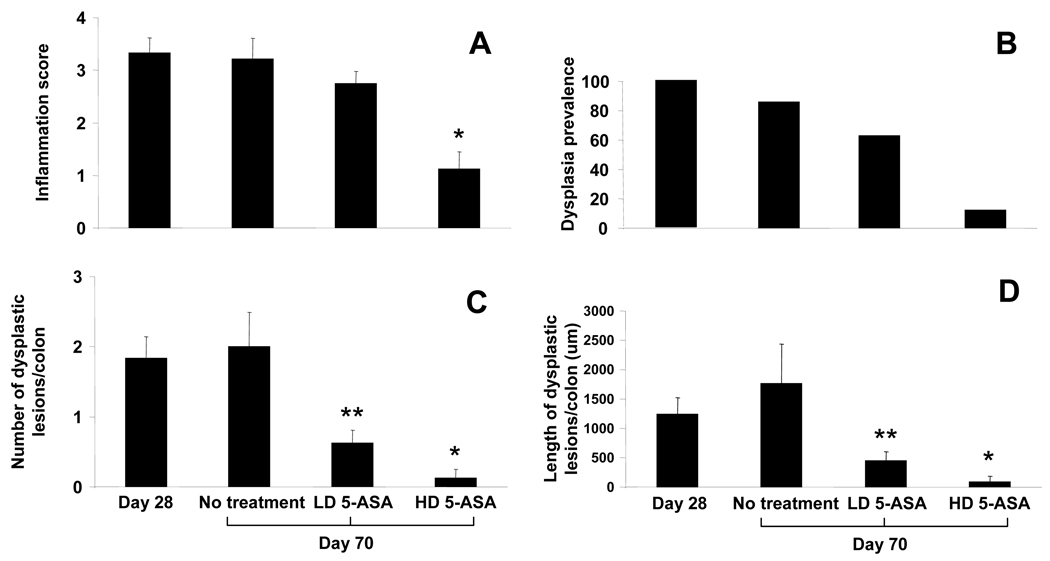
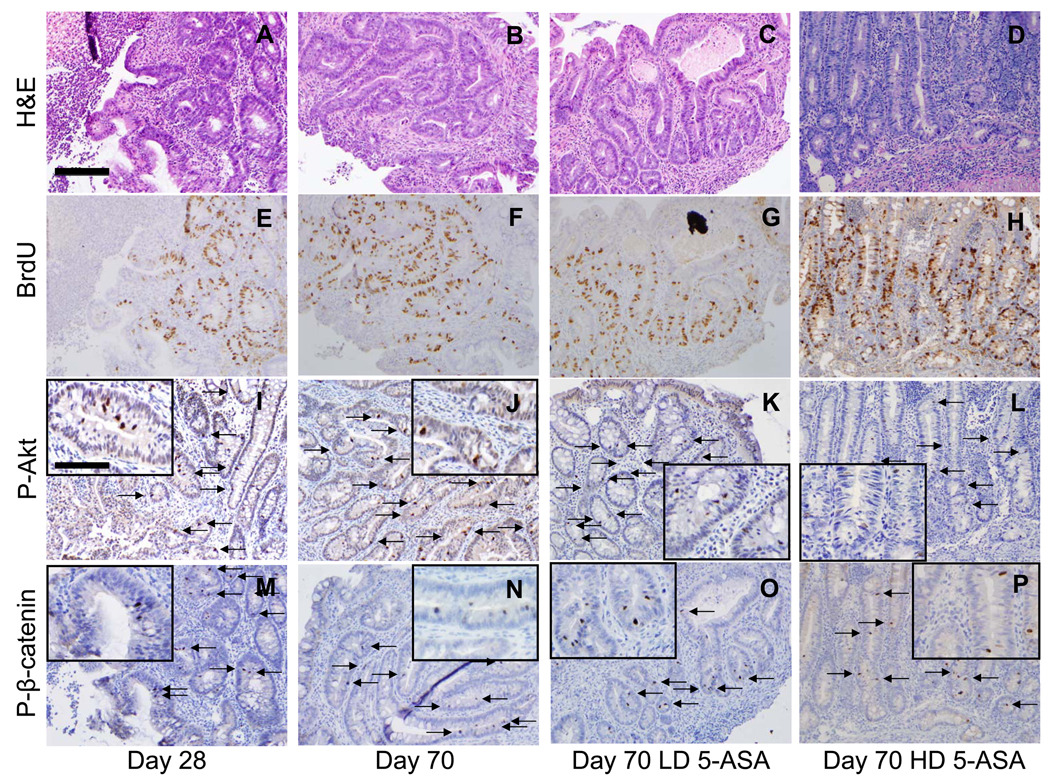
Methods: Effects of mesalamine on P-beta-catenin staining and function were assessed by immunohistochemistry and quantitative reverse-transcription polymerase chain reaction (qRT-PCR) in biopsy specimens of CUC in mild or "refractory" severe mucosal inflammation. Effects of mesalamine on epithelial proliferation and activation of Akt and beta-catenin were assessed in interleukin (IL)-10(-/-) colitis and CID by immunohistochemistry and Western blotting. Dysplasia was assessed by counting the number and lengths of lesions per colon.
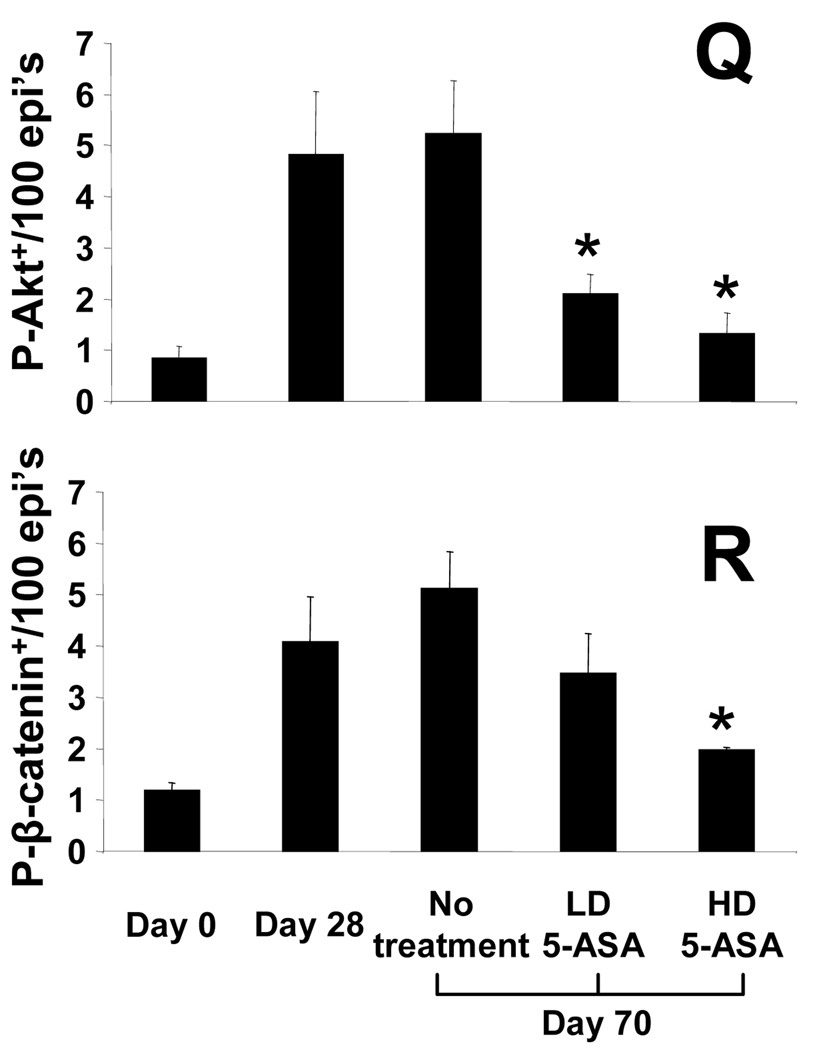
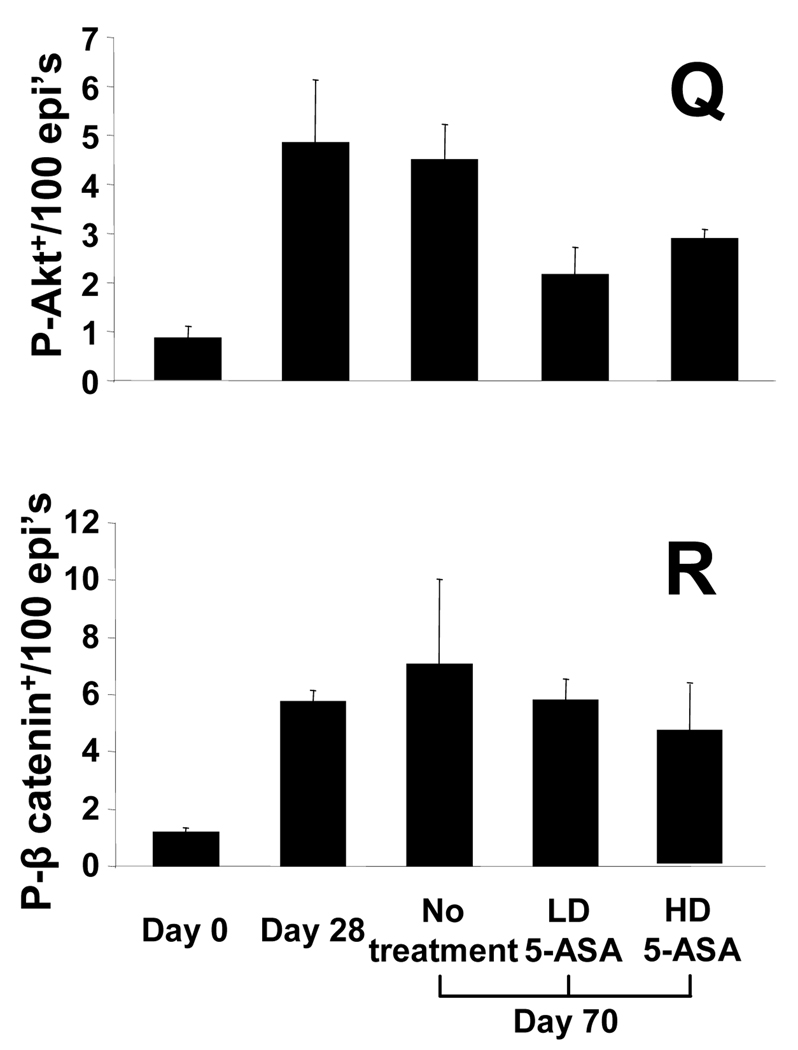
Results: Data from IL-10(-/-) and human colitis samples show that mesalamine reduced Akt activation and P-beta-catenin levels in the middle and upper crypt. Reductions in P-beta-catenin in CUC biopsy specimens with severe inflammation suggested that mesalamine reduced P-beta-catenin levels in tissue refractory to mesalamine's anti-inflammatory effects. In IL-10(-/-) mice, mesalamine reduced CID concordant with inhibition of crypt Akt and beta-catenin signaling.
Conclusions: The results are consistent with the model that mesalamine contributes to chemoprevention in CAC by reducing beta-catenin signaling within intestinal progenitors.
Conflict of interest statement
T.A.B. received grant support from Proctor and Gamble for this project. There are no other conflicts of interest to disclose for all authors.
Figures
References
-
- Karlen P, Lofberg R, Brostrom O, et al. Increased risk of cancer in ulcerative colitis: a population-based cohort study. Am J Gastroenterol. 1999;94:1047–1052. - PubMed
-
- Ekbom A, Helmick C, Zack M, et al. Ulcerative colitis and colorectal cancer. A population-based study. N Engl J Med. 1990;323:1228–1233. - PubMed
-
- Bernstein CN, Blanchard JF, Kliewer E, et al. Cancer risk in patients with inflammatory bowel disease: a population-based study. Cancer. 2001;91:854–862. - PubMed
-
- Velayos FS, Terdiman JP, Walsh JM. Effect of 5-aminosalicylate use on colorectal cancer and dysplasia risk: a systematic review and metaanalysis of observational studies. Am J Gastroenterol. 2005;100:1345–1353. - PubMed
-
- Rubin DT, LoSavio A, Yadron N, et al. Aminosalicylate therapy in the prevention of dysplasia and colorectal cancer in ulcerative colitis. Clin Gastroenterol Hepatol. 2006;4:1346–1350. - PubMed
Publication types
MeSH terms
Substances
Grants and funding
LinkOut - more resources
Full Text Sources
Other Literature Sources
Medical
Molecular Biology Databases
