


Decrease of Foxp3+ Treg cell number and acquisition of effector cell phenotype during lethal infection
- PMID: 19896394
- PMCID: PMC2814877
- DOI: 10.1016/j.immuni.2009.10.001
Decrease of Foxp3+ Treg cell number and acquisition of effector cell phenotype during lethal infection
Abstract
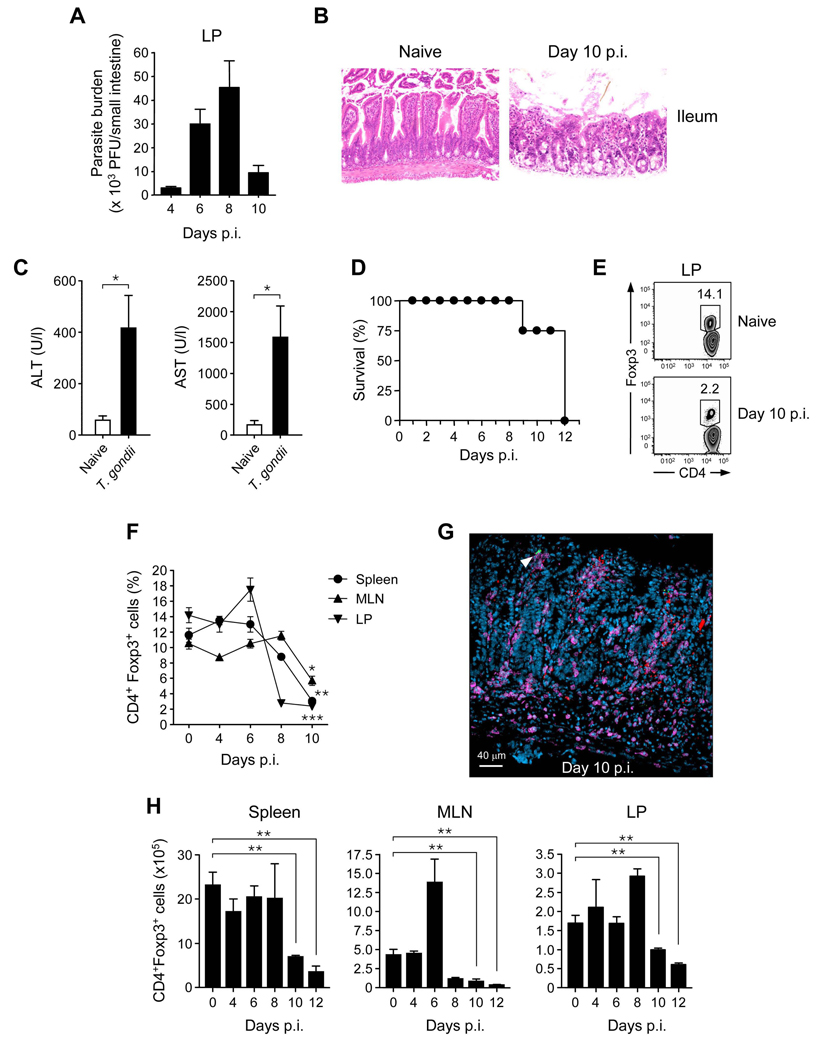
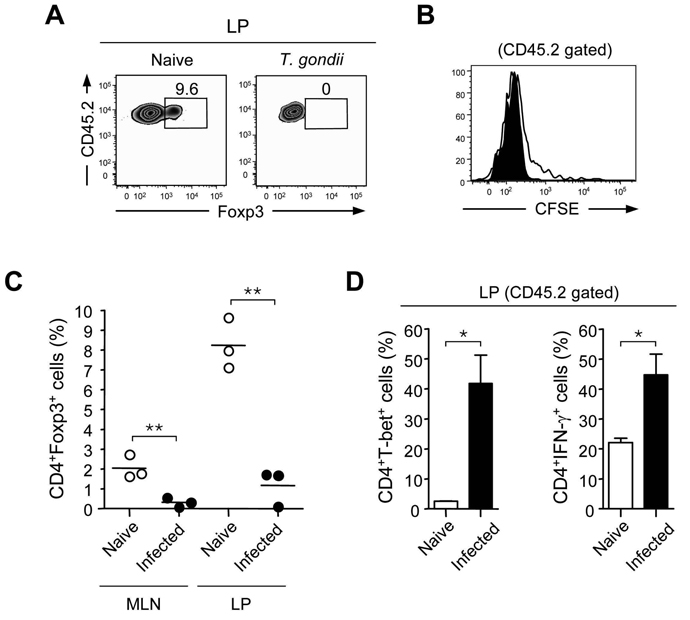
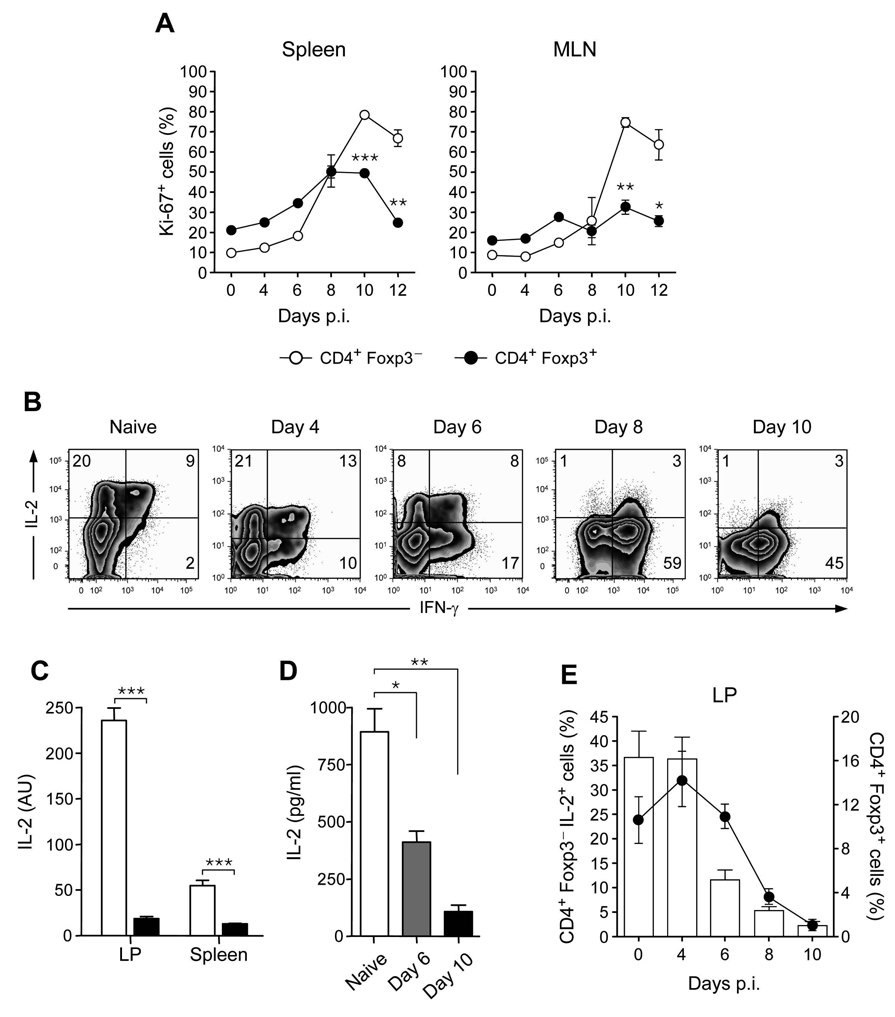
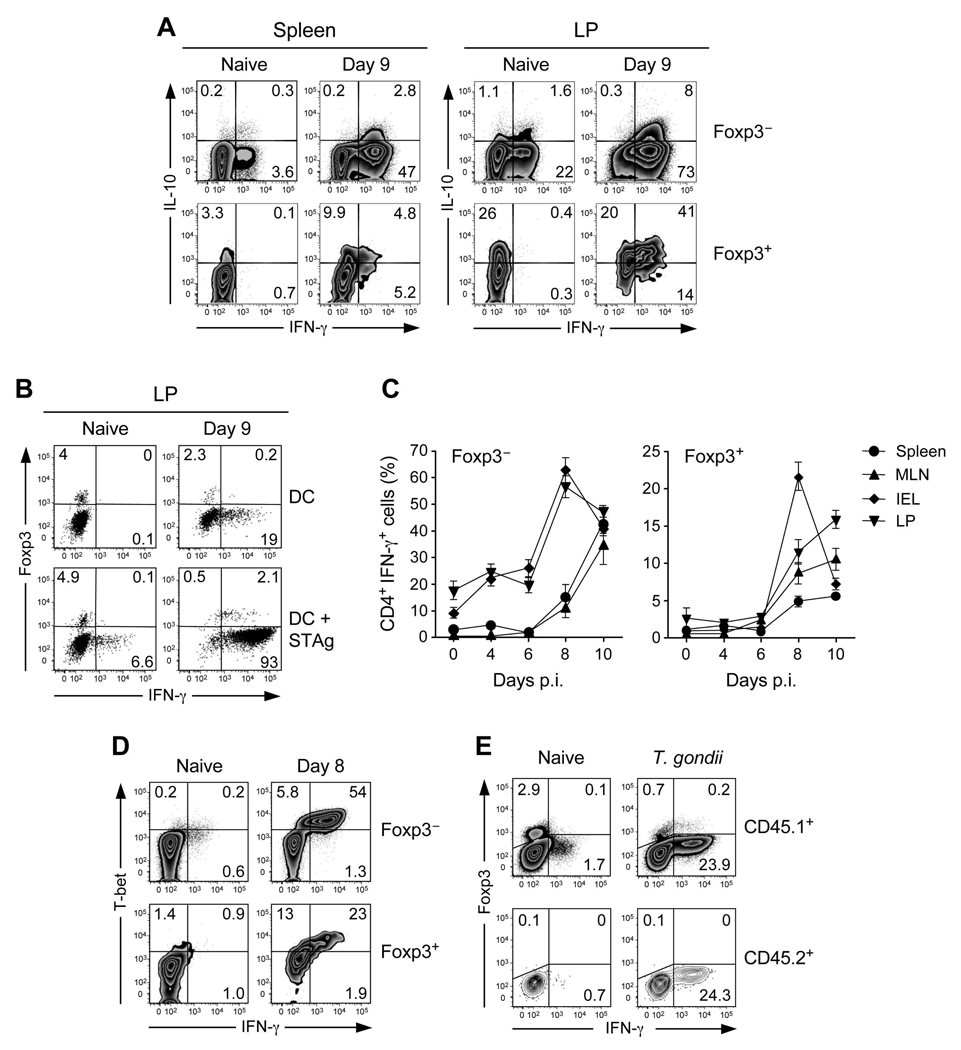
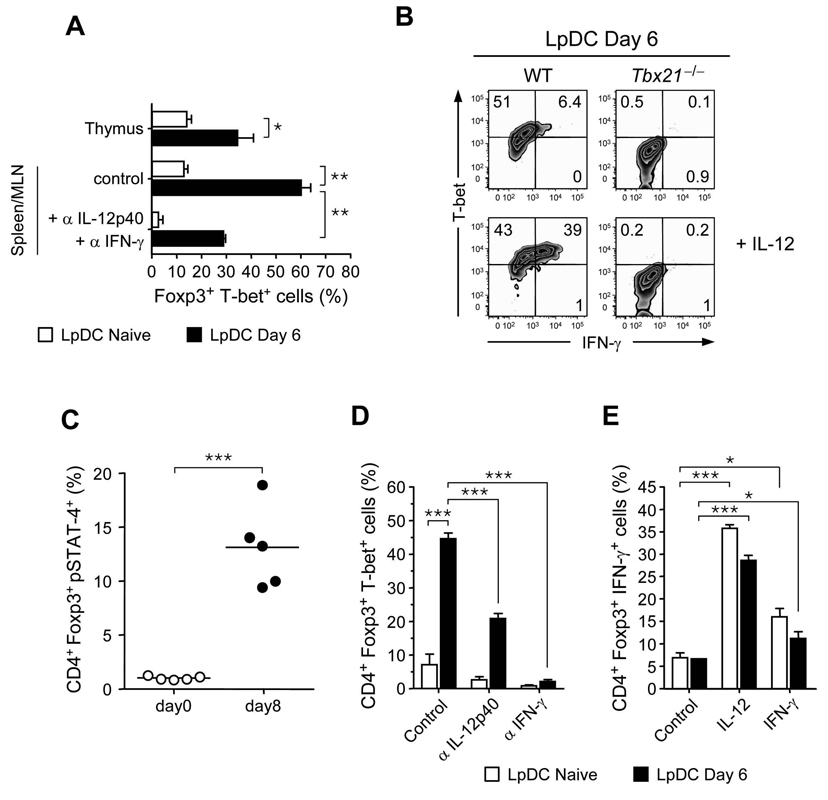
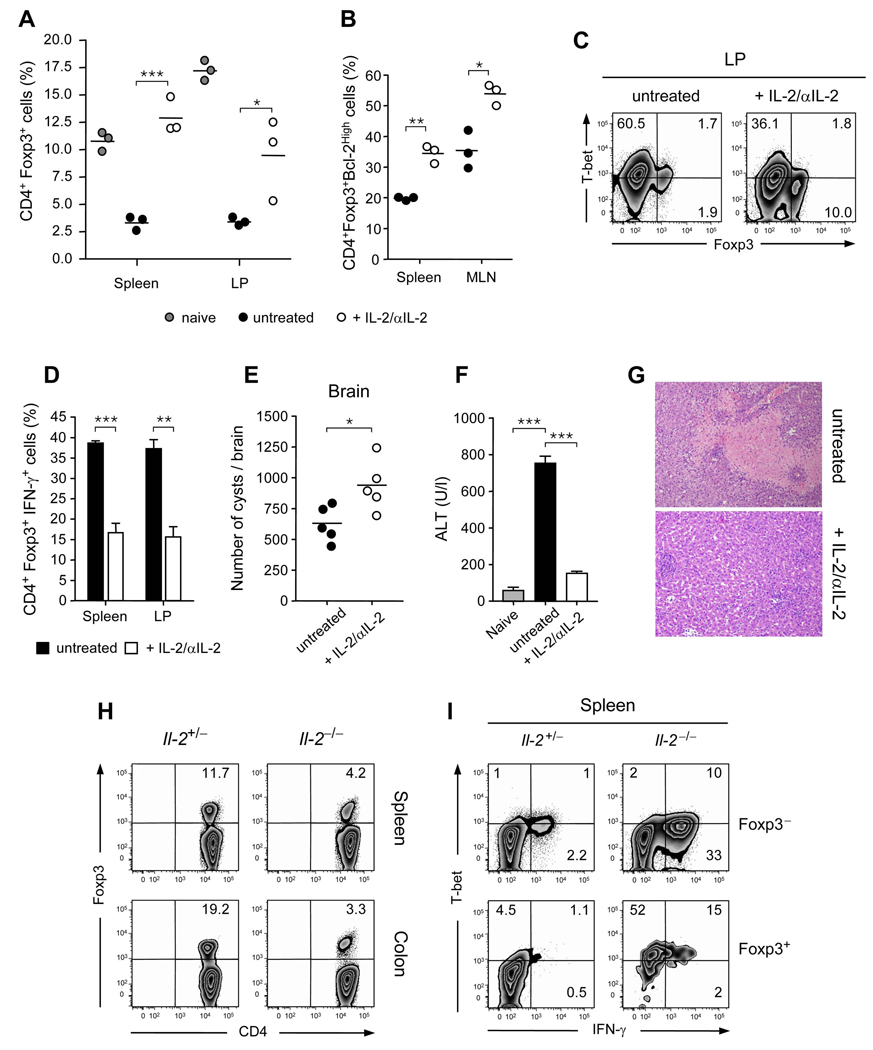
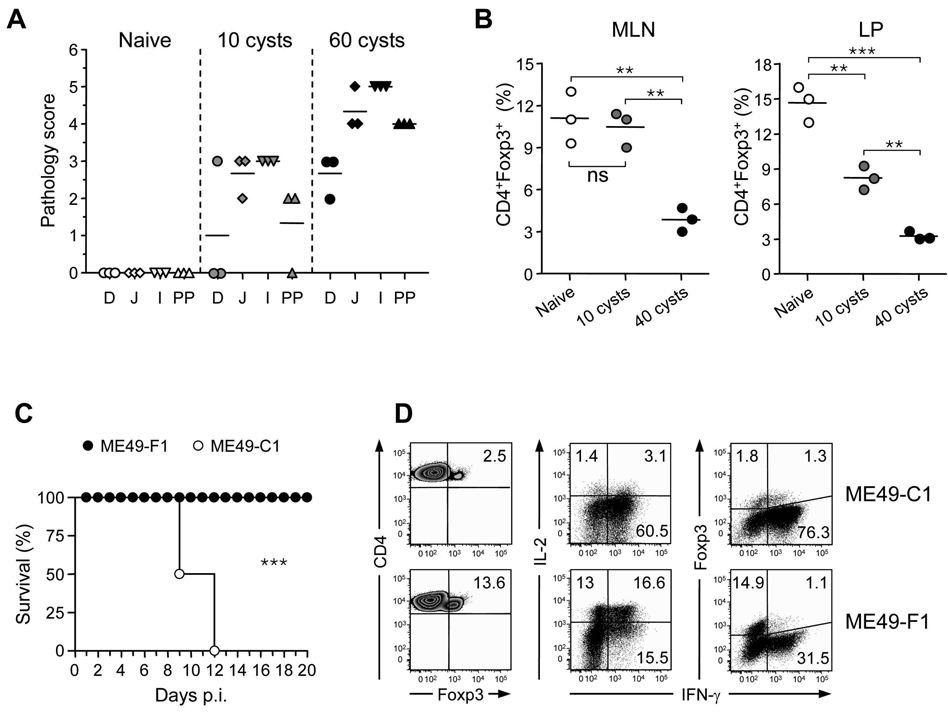
Using a model of lethal oral infection with Toxoplasma gondii, we examined the fate of both induced and natural regulatory T (Treg) cells in the face of strong inflammatory responses occurring in a tolerogenic-prone environment. We found that during highly T helper 1 (Th1) cell-polarized mucosal immune responses, Treg cell numbers collapsed via multiple pathways, including blockade of Treg cell induction and disruption of endogenous Treg cell homeostasis. In particular, shutdown of interleukin 2 (IL-2) in the highly Th1 cell-polarized environment triggered by infection directly contributes to Treg cell incapacity to suppress effector responses and eventually leads to immunopathogenesis. Furthermore, we found that environmental cues provided by both local dendritic cells and effector T cells can induce the expression of T-bet transcription factor and IFN-gamma by Treg cells. These data reveal a mechanism for Th1 cell pathogenicity that extends beyond their proinflammatory program to limit Treg cell survival.
Figures
References
-
- Almeida AR, Zaragoza B, Freitas AA. Indexation as a novel mechanism of lymphocyte homeostasis: the number of CD4+CD25+ regulatory T cells is indexed to the number of IL-2-producing cells. J Immunol. 2006;177:192–200. - PubMed
-
- Bettelli E, Carrier Y, Gao W, Korn T, Strom TB, Oukka M, Weiner HL, Kuchroo VK. Reciprocal developmental pathways for the generation of pathogenic effector TH17 and regulatory T cells. Nature. 2006;441:235–238. - PubMed
-
- Boyman O, Surh CD, Sprent J. Potential use of IL-2/anti-IL-2 antibody immune complexes for the treatment of cancer and autoimmune disease. Expert Opin Biol Ther. 2006;6:1323–1331. - PubMed
Publication types
MeSH terms
Substances
Grants and funding
LinkOut - more resources
Full Text Sources
Other Literature Sources
Molecular Biology Databases
