Review
. 2010 Jan;21(1):41-9.
doi: 10.1016/j.tem.2009.08.002. Epub 2009 Nov 5.

The Dachshund gene in development and hormone-responsive tumorigenesis

Affiliations
Review

The Dachshund gene in development and hormone-responsive tumorigenesis

Vladimir M Popov et al. Trends Endocrinol Metab. 2010 Jan.

Abstract

The dachshund (dac) gene was initially described as a mutant phenotype in flies featuring extremely short legs relative to their body length. Functioning as a dominant suppressor of the ellipse mutation, a hypermorphic allele of the Epidermal Growth Factor Receptor (EGFR), the dac gene plays a key role in metazoan development, regulating ocular, limb, brain, and gonadal development. In the Drosophila eye, dac is a key component of the Retinal Determination Gene Network (RDGN) governing the normal initiation of the morphogenetic furrow and thereby eye development. Recent studies have demonstrated an important role for human Dachshund homologue (DACH1) in tumorigenesis, in particular, breast, prostate and ovarian cancer. The molecular mechanisms by which DACH1 regulates differentiation and tumorigenesis are discussed herein.


Figures
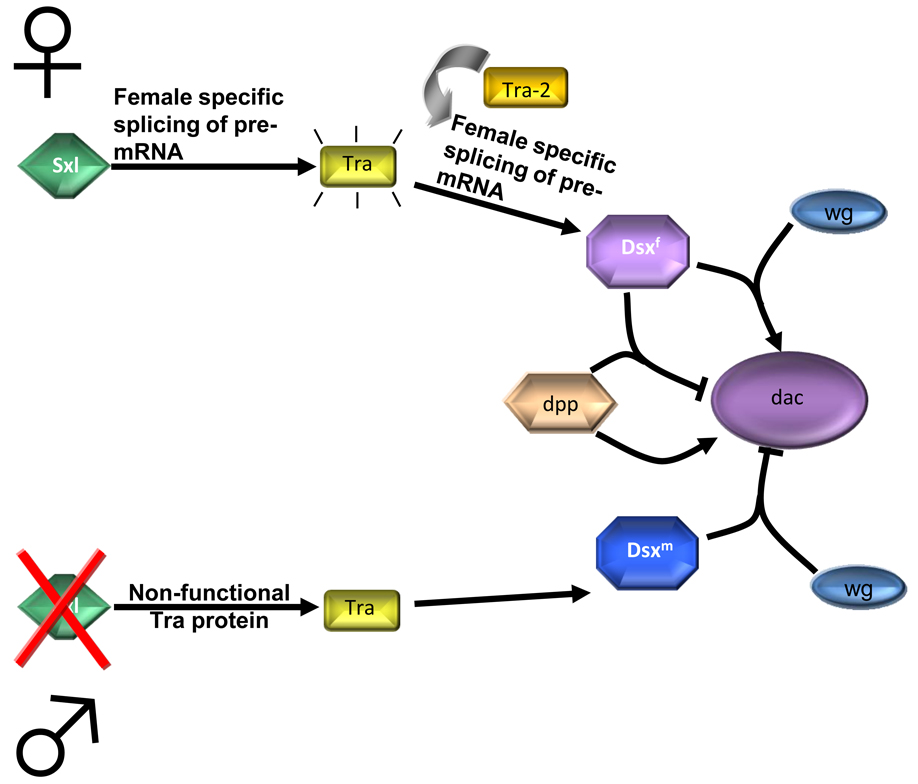
Figure 1
Figure 1. Involvement of dac in Drosophila sex determination
(i) The main regulatory gene Sex lethal (Sxl) is activated only in females. It directs the female-specific splicing of transformer (tra) pre-mRNA. Together with the Tra-2, Tra regulates female specific splicing of dsx pre-mRNA, which results in functional Dsxf protein. (ii) In males, Sxl protein is absent, so Tra, after being spliced by a default, is nonfunctional. This results in default splicing of dsx, and Dsxm protein synthesis. As depicted, wg and dpp can either promote or inhibit dac function in males or females.
Figure 2
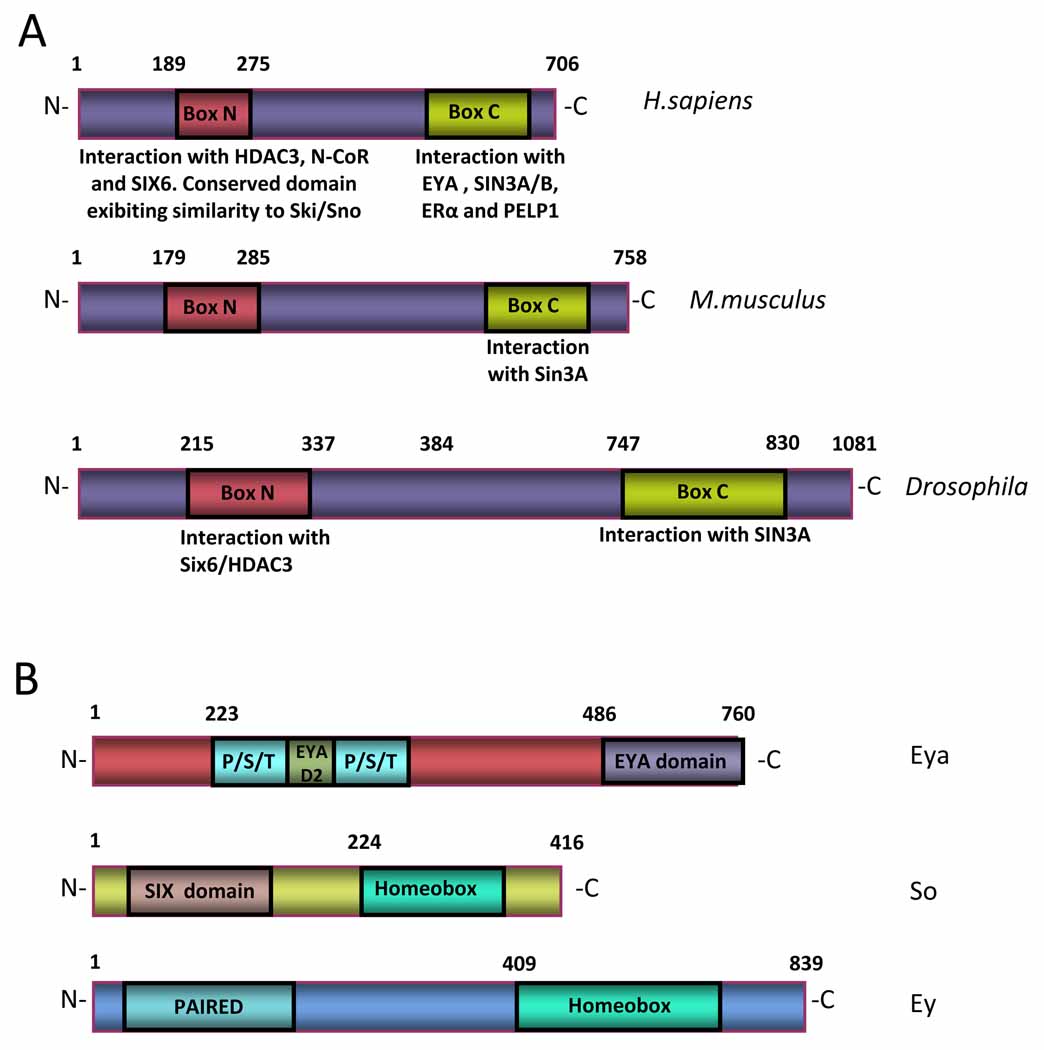
Figure 2. Dachshund proteins are conserved among species
(a) Dachshund proteins have two domains that are highly conserved among species. Located on the N-terminus, DachBox-N contains a DNA-binding domain. Through this domain Dachshund proteins interact with HDAC3, NCoR and SIX6. DachBox-N domain also exhibits a high similarity to Ski/Sno family of co-repressors. (b) Required for the specification of the compound Drosophila eye, eyeless (ey), eyes absent (eya), sine oculis (so) are part of the Retinal Determination Gene Network (RDGN). dac and eya act together as transcriptional factors in Drosophila, binding to DNA.
Figure 3
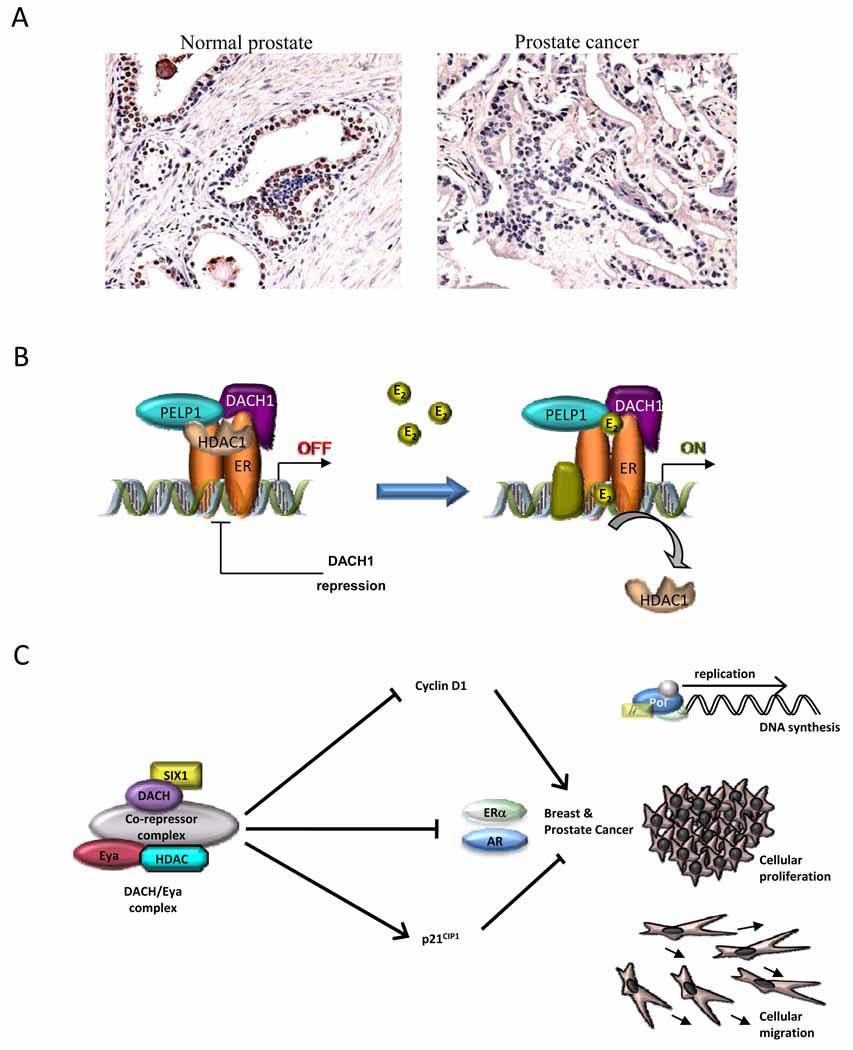
Figure 3. DACH1 mediated inhibition of ERα and AR function
(a) Immunohistochemical staining for DACH1 in human prostate cancer samples. Relative intensity of immunostaining for DACH1 in normal prostate and prostate cancer samples, shown also as % cells staining for DACH1 [24]. (b) Schematic representation of how DACH1 inhibits ERα function in breast cancer. DACH1 competes with the ERα coactivator PELP1 in the context of local chromatin of ERE [23]. (c) Schematic representation of hypothetical mechanism by which DACH1 inhibits cellular proliferation in hormone response cancer cells. Through interaction with transcriptional co-factors and a co-repressor complex, DACH1 inhibits cyclin D1, inhibits proliferative function of the ERα and AR and the abundant expression of p21CIP and p27KIP1. Through these actions, DACH1 represses breast and prostate cancer proliferation. DACH1 also re-organizes oncogene-mediated disruption of cell polarity and reverts disruption.
Figure 4
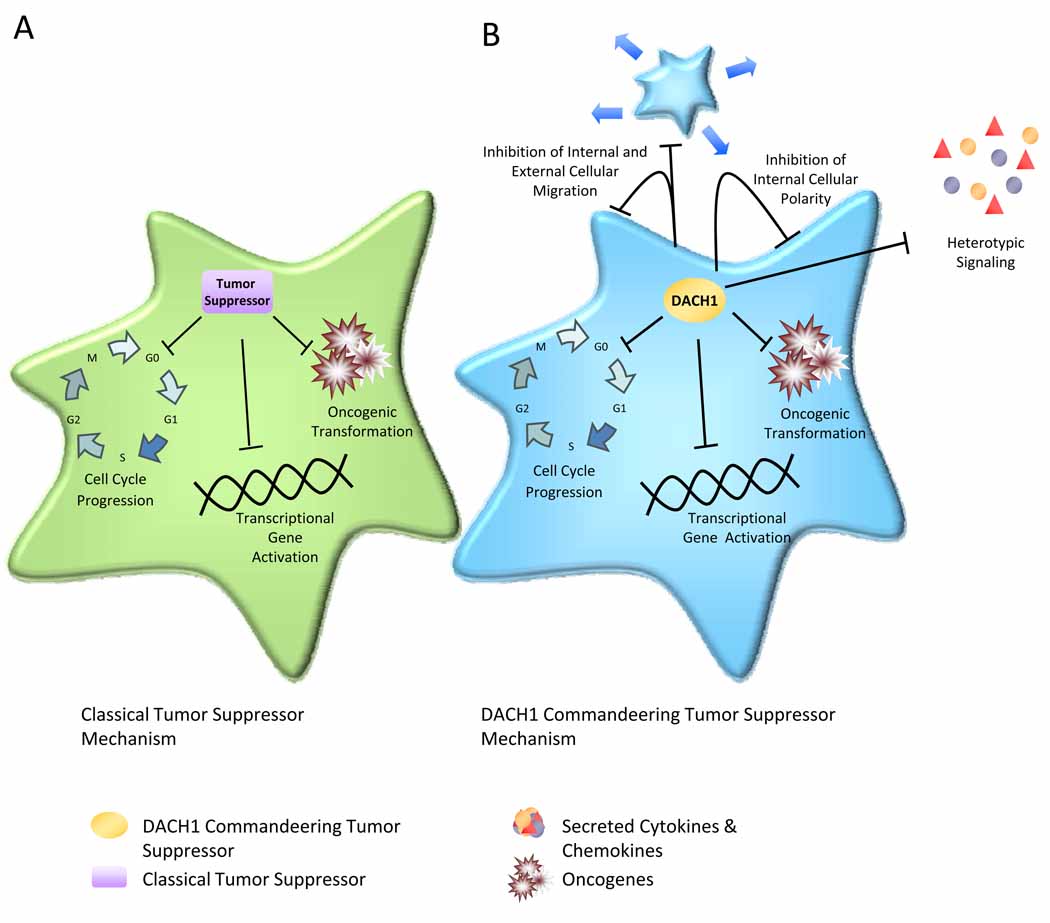
Figure 4. Commandeering Tumor Suppressor function of DACH1
(a) The traditional tumor suppressor inhibits cell cycle to block cellular proliferation. (b) The Dachshund gene reverts oncogene-induced disruption of cellular polarity via altering expression and secretion of specific cytokines and chemokines (IL8). This function is transferable via the supernatant of DACH1 cellular conditioned medium. This function, via a heterotypic signal differs from the traditional intracelluar tumor suppressor function via p53/p21 and is referred to, herein as a “commandeering” function. DACH1 inhibits cellular proliferation via cyclin D1 repression but also inhibits migration, reverts oncogene-induced disruption of polarity, and inhibits metastasis via inhibition of IL8 secretion.
Figure I
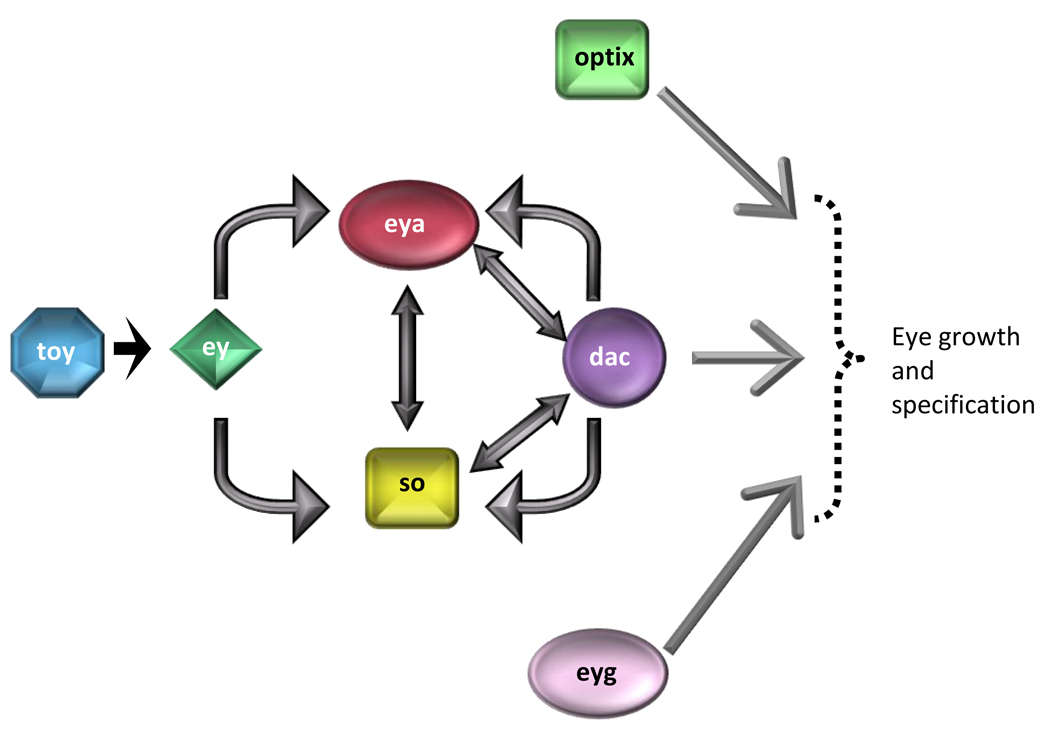
Figure I. RDGN hierarchy
Toy leads to ey expression, which leads to expression of so, eya and dac. eya, dac and so which then promotes expression of ey and also interacts with other members of RDGN

References

    1. Bai J, Montell D. Eyes absent, a key repressor of polar cell fate during Drosophila oogenesis. Development. 2002;129:5377–5388. - PubMed
    1. Fabrizio JJ, et al. A somatic role for eyes absent (eya) and sine oculis (so) in Drosophila spermatocyte development. Dev Biol. 2003;258:117–128. - PubMed
    1. Bonini NM, et al. Multiple roles of the eyes absent gene in Drosophila. Dev Biol. 1998;196:42–57. - PubMed
    1. Keisman EL, Baker BS. The Drosophila sex determination hierarchy modulates wingless and decapentaplegic signaling to deploy dachshund sex-specifically in the genital imaginal disc. Development. 2001;128:1643–1656. - PubMed
    1. Sanchez L, et al. Sex determination genes control the development of the Drosophila genital disc, modulating the response to Hedgehog, Wingless and Decapentaplegic signals. Development. 2001;128:1033–1043. - PubMed

Publication types

MeSH terms