


Membranous nephropathy in children: clinical presentation and therapeutic approach
- PMID: 19908069
- PMCID: PMC2887508
- DOI: 10.1007/s00467-009-1324-5
Membranous nephropathy in children: clinical presentation and therapeutic approach
Abstract
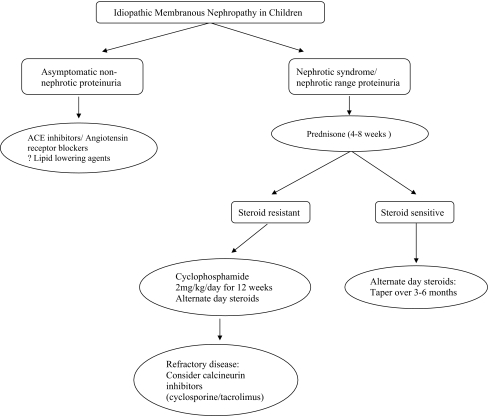
The approach to the pediatric patient with membranous nephropathy (MN) can be challenging to the practitioner. The clinical presentation of the child with this histologic entity usually involves some degree of proteinuria ranging from persistent, subnephrotic-ranged proteinuria to overt nephrotic syndrome. Patients often have accompanying microscopic hematuria and may have azotemia or mild hypertension. Children presenting with nephrotic syndrome are often steroid resistant; as such, their biopsy for steroid-resistant nephrotic syndrome results in the diagnosis of MN. The practitioner treating MN in the pediatric patient must weigh the risks of immunosuppressive therapy against the benefits. In general, the child with subnephrotic proteinuria and normal renal function can likely be treated conservatively with angiotensin blockade (angiotensin-converting enzyme inhibitors or angiotensin receptor blockers) without the need for immunosuppressive therapy. Those with nephrotic syndrome are usually treated with steroids initially and often followed by alkylating agents (cyclophosphamide or chlorambucil). Calcineurin inhibitors may also be useful, but the relapse rate after their discontinuation remains high. The absence of controlled studies in children with MN makes treatment recommendations difficult, but until they are available, using the patient's clinical presentation and risk of disease progression appears to be the most prudent approach.
Figures
References
-
- International Study of Kidney Disease in Children (1978) Nephrotic syndrome in children: prediction of histopathology from clinical and laboratory characteristics at time of diagnosis. A report of the International Study of Kidney Disease in Children. Kidney Int 13:159–165 - PubMed
Publication types
MeSH terms
Substances
LinkOut - more resources
Full Text Sources
