


Kupffer cell activation by ambient air particulate matter exposure may exacerbate non-alcoholic fatty liver disease
- PMID: 19908945
- PMCID: PMC2888826
- DOI: 10.1080/15476910903241704
Kupffer cell activation by ambient air particulate matter exposure may exacerbate non-alcoholic fatty liver disease
Abstract
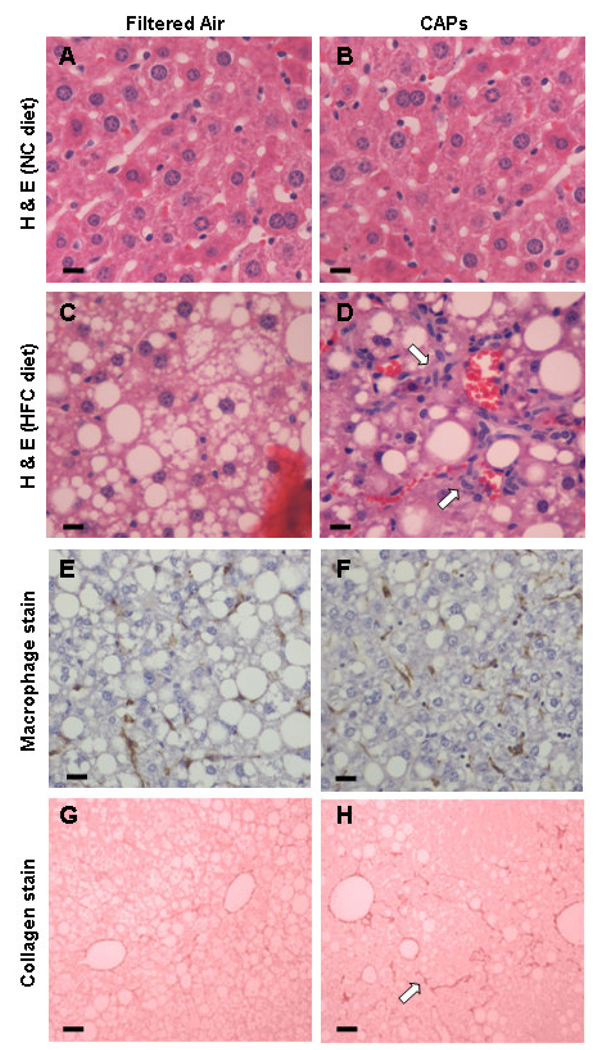
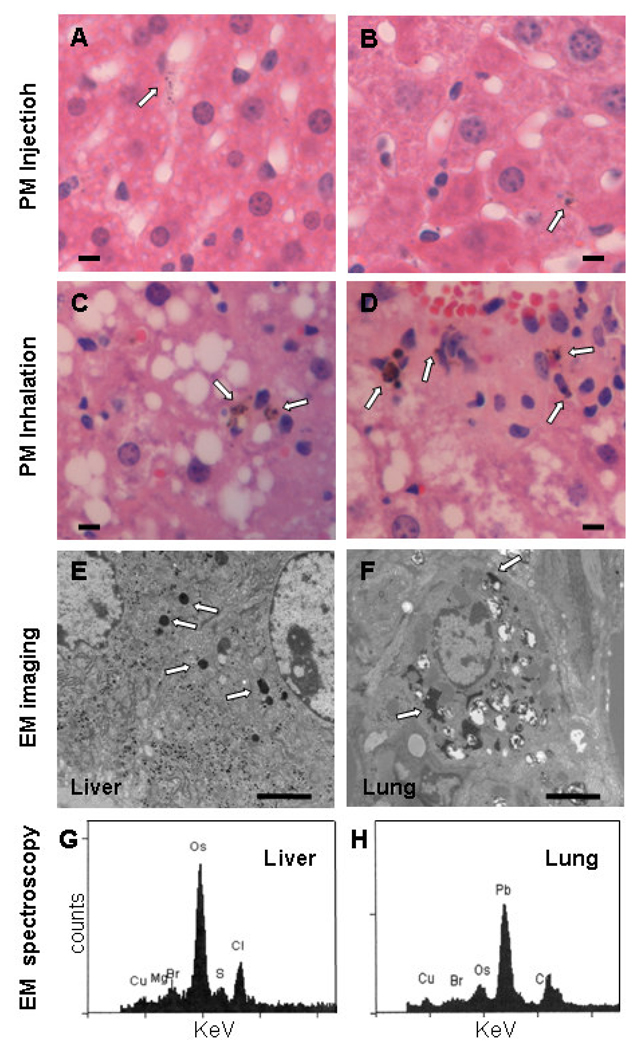
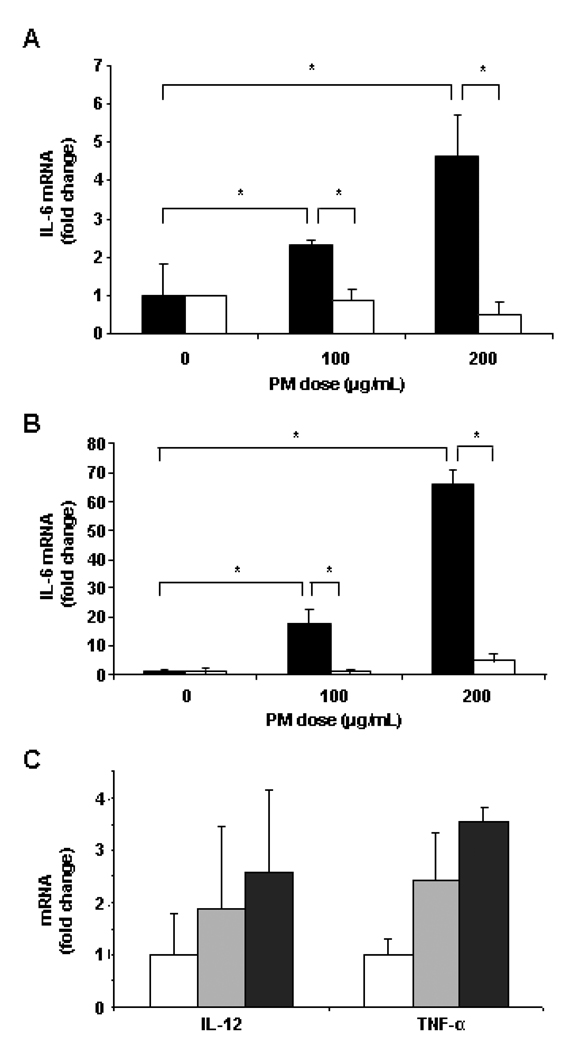
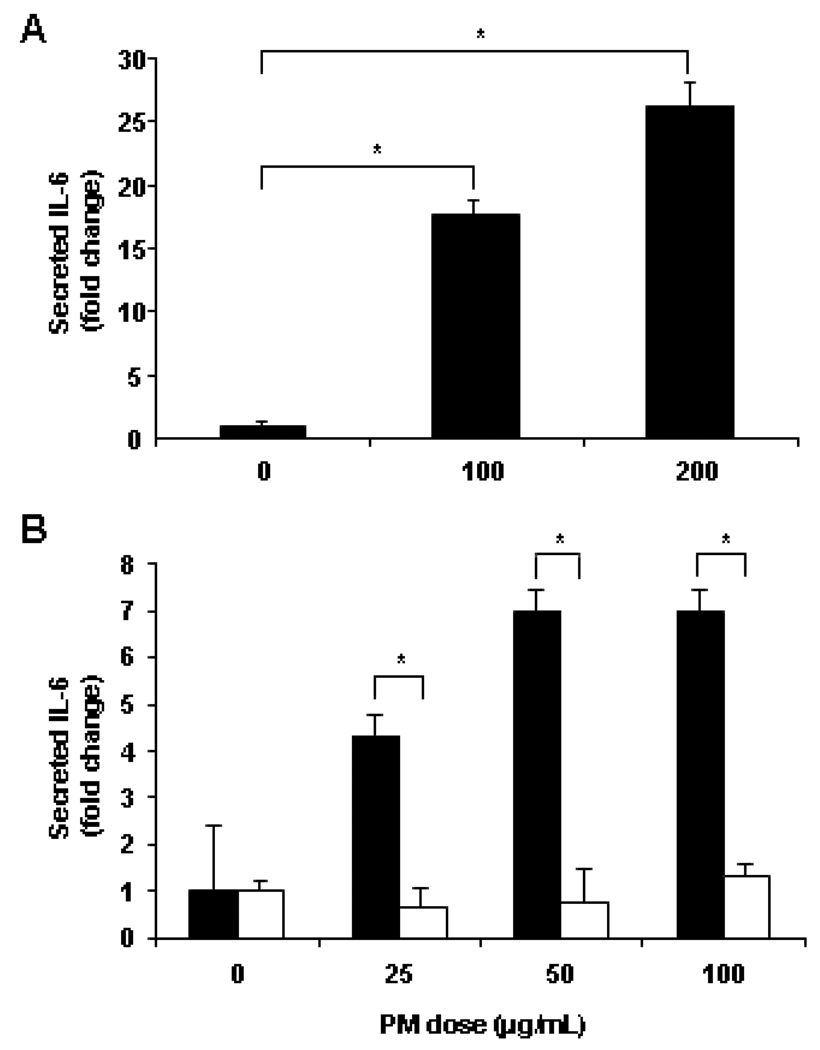
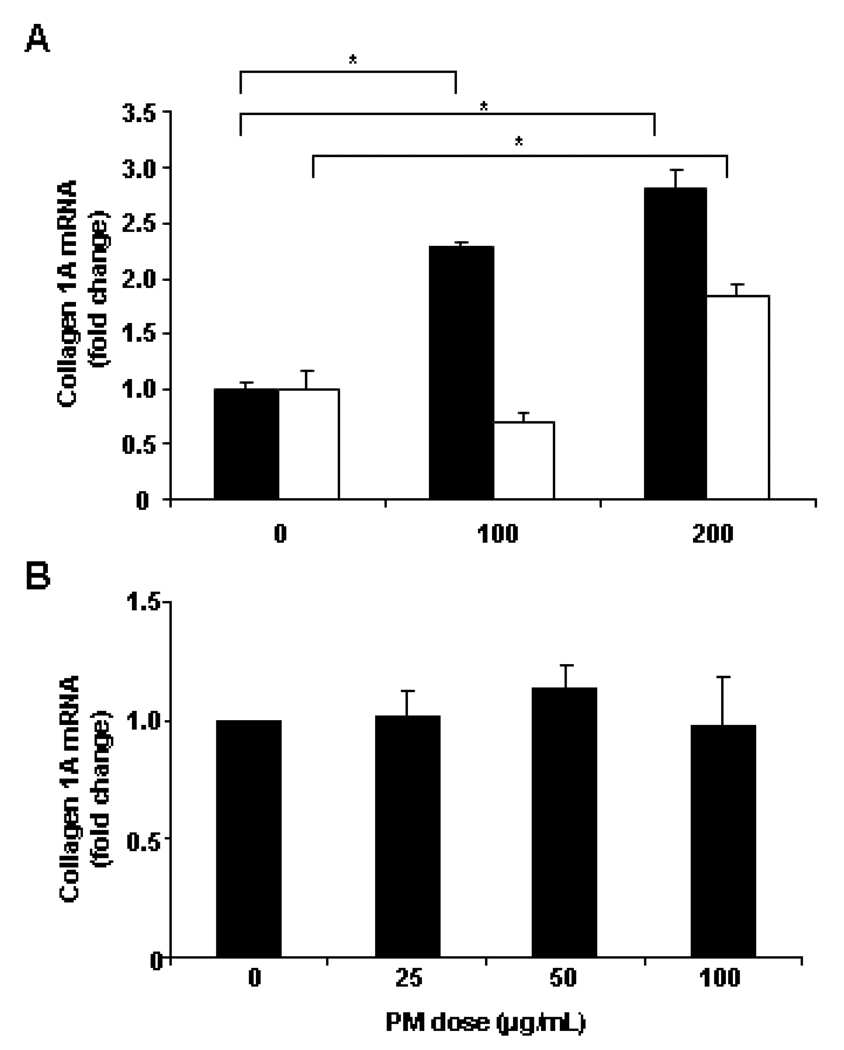
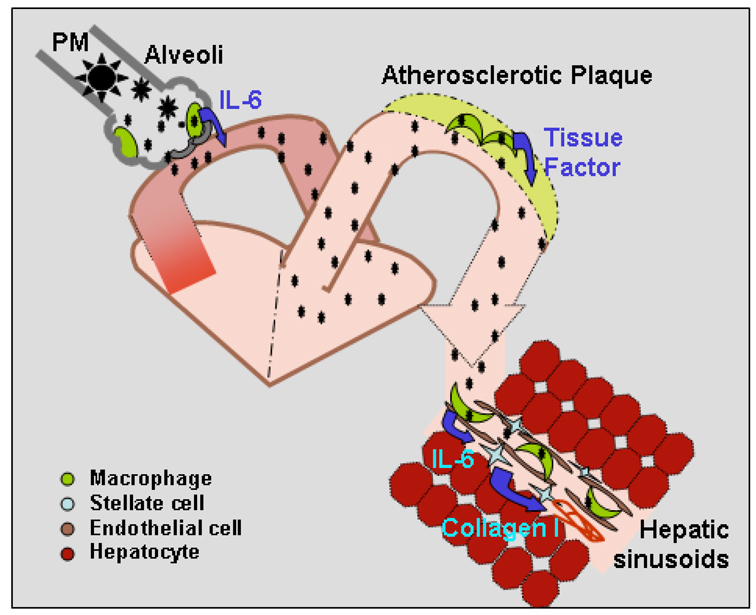
Owing to increased obesity, non-alcoholic fatty liver disease (NAFLD) is now the most prevalent liver disease in the United States. NAFLD is considered a component of metabolic syndrome, a cluster of disorders that also includes diabetes mellitus, dyslipidemia, arteriosclerosis, and hypertension. Exposure to ambient air particulate matter with aerodynamic diameters < 2.5 microm (PM(2.5)) is a risk factor for arteriosclerosis and lung disease, but its effect on NAFLD is unknown. PM(2.5) induces pulmonary dysfunction via Toll-like receptor (TLR) activation on alveolar macrophages. TLR activation of Kupffer cells, resident hepatic macrophages, and subsequent pro-inflammatory cytokine production have been shown to play a key role in NAFLD progression. We hypothesized that PM(2.5) exposure is a significant risk factor for the progression of NAFLD. Thus, following exposure of male C57BL/6 mice fed high fat chow (HFC) to concentrated air particulate matter (CAPs) or filtered air for 6 weeks, progression of NAFLD was evaluated by standardized histological assessment of hepatic inflammation and fibrosis. In mice fed HFC, the hepatic inflammatory grade (3.00 +/- 0.00 vs. 1.50 +/- 0.71, P < 0.001) and fibrosis stage (1.00 +/- 0.00 vs. 0.60 +/- 0.52, P = 0.023) were both significantly higher in mice exposed to CAPs versus filtered air, respectively. Increased numbers of Kupffer cells contained PM in CAPs-exposed mice scores of (2.00 +/- 0.94 vs. 0.20 +/- 0.42, respectively, P < 0.001). PM exposure increased IL-6 secretion up to seven-fold in a dose-dependent manner by isolated wild-type but not TLR4(-/-) Kupffer cells (P < 0.050). In conclusion, ambient PM(2.5) exposure may be a significant risk factor for NAFLD progression.
Conflict of interest statement
The Authors report no conflicts of interest. The Authors alone are responsible for the content and writing of the paper.
Figures
References
-
- Adachi O, Kawai T, Takeda K, Matsumoto M, Tsutsui H, Sakagami M, Nakanishi K, Akira S. Targeted disruption of the MyD88 gene results in loss of IL-1- and IL- 18-mediated function. Immunity. 1998;9:143–150. - PubMed
-
- Ala A, Stanca CM, Bu-Ghanim M, Ahmado I, Branch AD, Schiano TD, Odin JA, Bach N. Increased prevalence of primary biliary cirrhosis near Superfund toxic waste sites. Hepatology. 2006;43:525–531. - PubMed
-
- Becker S, Fenton MJ, Soukup JM. Involvement of microbial components and toll-like receptors 2 and 4 in cytokine responses to air pollution particles. Am. J. Respir. Cell. Mol. Biol. 2002;27:611–618. - PubMed
Publication types
MeSH terms
Substances
Grants and funding
LinkOut - more resources
Full Text Sources
Other Literature Sources
Medical
Miscellaneous
