


A PDA-based dietary self-monitoring intervention to reduce sodium intake in an in-center hemodialysis patient
- PMID: 19920960
- PMCID: PMC2770424
A PDA-based dietary self-monitoring intervention to reduce sodium intake in an in-center hemodialysis patient
Abstract
Objective: The purpose of the BalanceWise-hemodialysis study is to determine the efficacy of a dietary intervention to reduce dietary sodium intake in patients receiving maintenance, in-center hemodialysis (HD). Personal digital assistant (PDA)-based dietary self-monitoring is paired with behavioral counseling. The purpose of this report is to present a case study of one participant's progression through the intervention.
Methods: The PDA was individually programmed with the nutritional requirements of the participant. With 25 minutes of personalized instruction, the participant was able to enter his meals into the PDA using BalanceLog((R)) software. Nutritional counseling was provided based on dietary sodium intake reports generated by BalanceLog((R)).
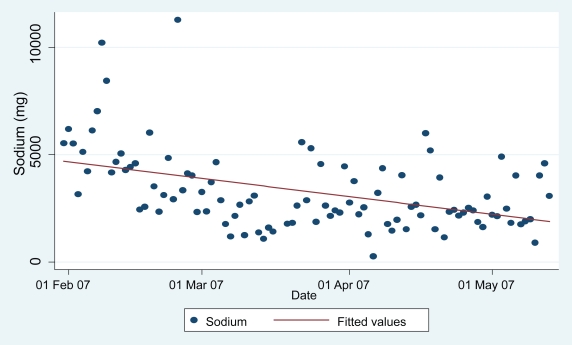
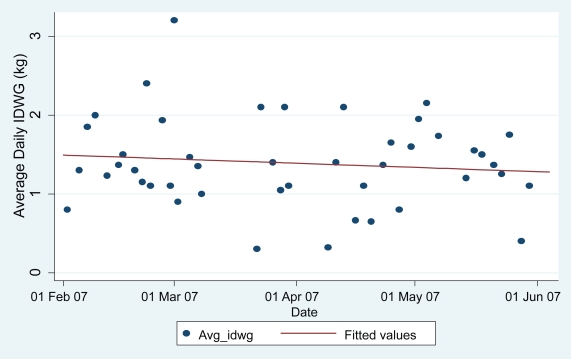
Results: : At initiation of the study the participant required 4 HD treatments per week. The participant entered 342 meals over 16 weeks (>/=3 meals per day). BalanceLog((R)) revealed that the participant consumed restaurant/fast food on a regular basis, and consumed significant amounts of corned beef as well as canned foods high in sodium. The study dietitian worked with the participant and his wife to identify food alternatives lower in sodium. Baseline sodium consumption was 4,692 mg, and decreased at a rate of 192 mg/week on average. After 11 weeks of intervention, interdialytic weight gains were reduced sufficiently to permit the participant to reduce HD treatments from 4 to 3 per week. Because of a low serum albumin at baseline (2.9 g/dL) the study dietitian encouraged the participant to increase his intake of high quality protein. Serum albumin level at 16 weeks was unchanged (2.9 g/dL). Because of intense pruritis and a high baseline serum phosphorus (6.5 mg/dL) BalanceLog((R)) electronic logs were reviewed to identify sources of dietary phosphorus and counsel the participant regarding food alternatives. At 16 weeks the participant's serum phosphorus fell to 5.5 mg/dL.
Conclusions: Self-monitoring rates were excellent. In a HD patient who was willing to self-monitor his dietary intake, BalanceLog((R)) allowed the dietitian to target problematic foods and provide counseling that appeared to be effective in reducing sodium intake, reducing interdialytic weight gain, and alleviating hyperphosphatemia and hyperkalemia. Additional research is needed to evaluate the efficacy of the intervention.
Keywords: adherence; behavioral research; computers; handheld; hemodialysis; personal digital assistant; randomized clinical trial; self care.
Figures
References
-
- Agarwal R. Strategies and feasibility of hypertension control in a prevalent hemodialysis cohort. Clin Nephrol. 2000;53:344–53. - PubMed
-
- Bandura A. Social Foundations of Thought and Action: A Social Cognitive Theory. Englewood Cliffs, NJ: Prentice Hall; 1986.
-
- Bandura A. Self-Efficacy: The Exercise of Control. New York: Freeman and Co; 1997.
-
- Burke LE, Dunbar-Jacob J, Hill M, et al. Compliance to cardiovascular risk reduction strategies: Review of the research. Ann Behav Med. 1997;19:239–63. - PubMed
-
- Burke LE, Sereika SM, Choo J, et al. Ancillary study to the PREFER trial: A descriptive study of participants’ patterns of self-monitoring: Rationale, design and preliminary experiences. Contemp Clin Trials. 2008;21:23–33. - PubMed
Publication types
LinkOut - more resources
Full Text Sources
Other Literature Sources
