


Efficacy of thalidomide for the treatment of amyotrophic lateral sclerosis: a phase II open label clinical trial
- PMID: 19922130
- PMCID: PMC3820489
- DOI: 10.3109/17482960802709416
Efficacy of thalidomide for the treatment of amyotrophic lateral sclerosis: a phase II open label clinical trial
Abstract
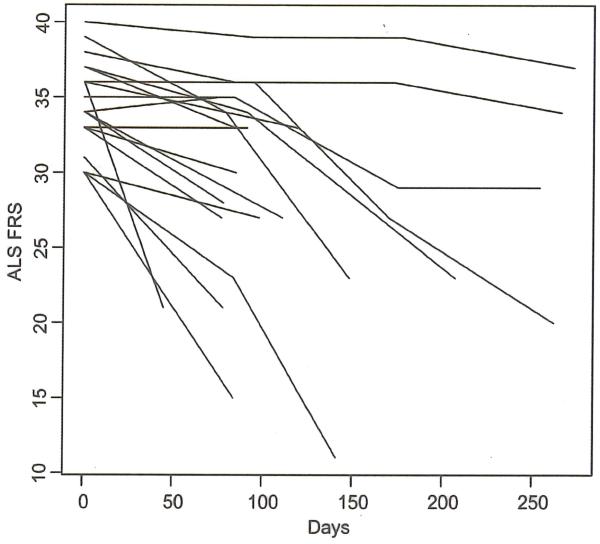
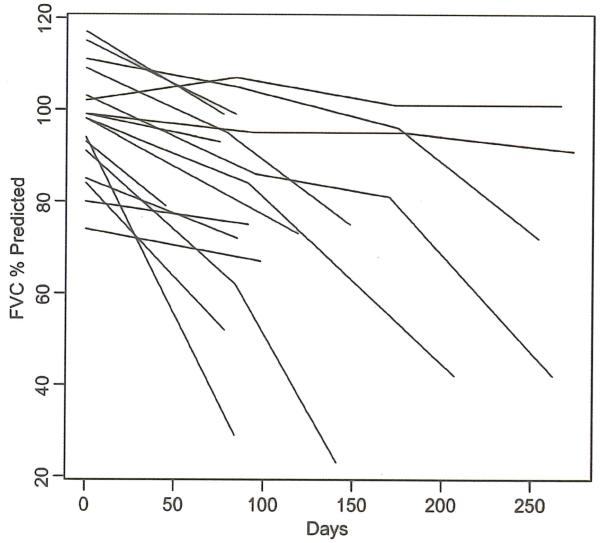
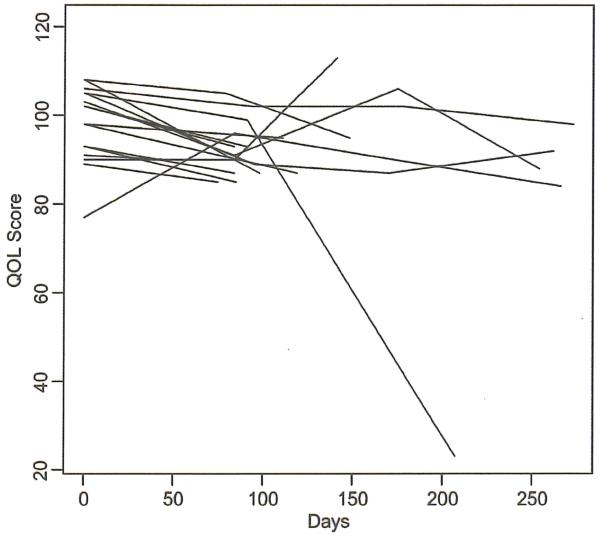
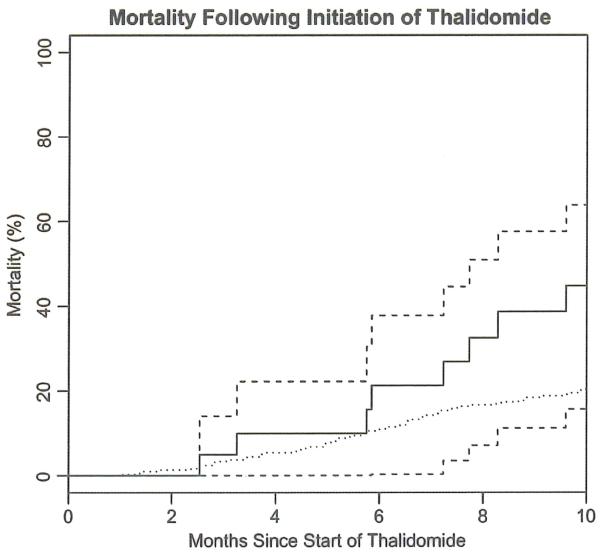
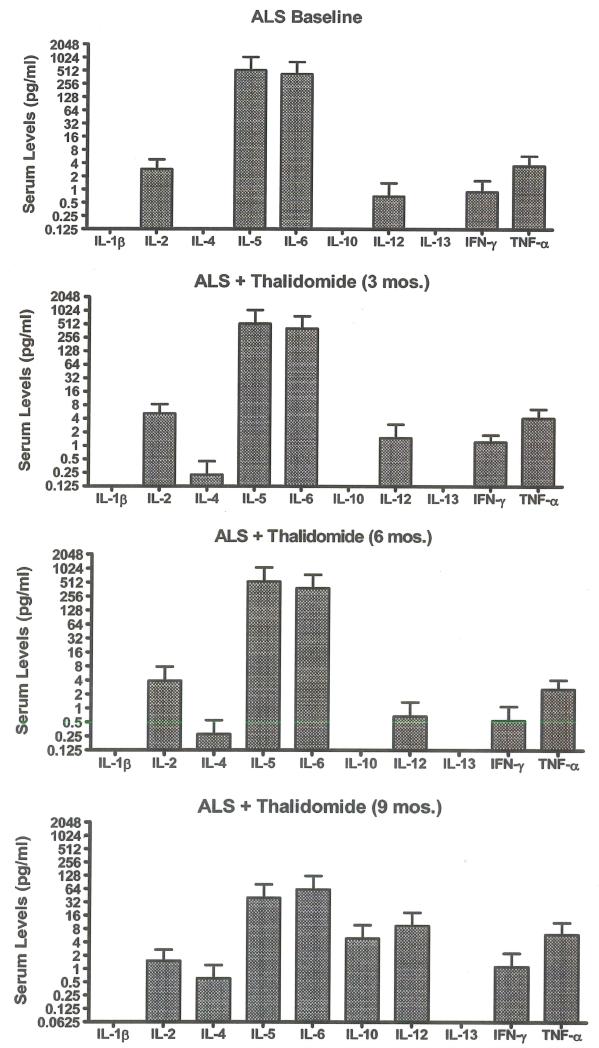
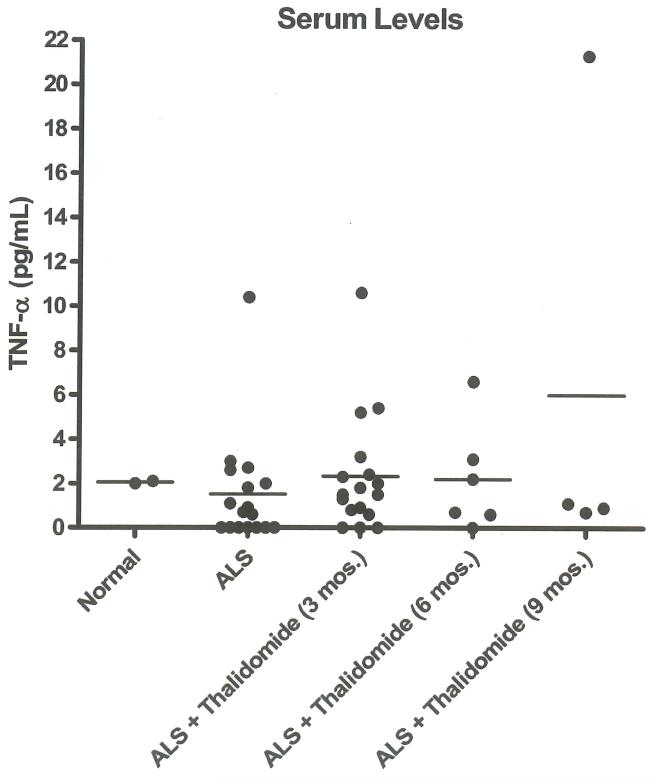
Neuroinflammation through the cytokine, tumor necrosis factor-alpha (TNF-alpha) is thought to play an important role in the pathogenesis of amyotrophic lateral sclerosis (ALS). We conducted a preliminary phase II trial of thalidomide, which reduces levels of TNF-alpha pre-transcriptionally and post-transcriptionally in vivo and has been shown to prolong disease duration and extend the lifespan of transgenic animal models of ALS. Patients who met diagnostic criteria for ALS received thalidomide at escalating doses to a target dose of 400 mg/day. The primary endpoints in the trial were the ALS Functional Rating Scale (ALSFRS) and pulmonary function testing (PFT) curves after nine months of thalidomide treatment that were compared to historical controls. Secondary endpoints were: survival stratified for newly diagnosed and progressive disease, toxicity, quality of life, and serum cytokine measurements. Twenty-three patients were enrolled, but only 18 were evaluable for the primary outcome. There was no improvement in the ALSFRS or PFT compared to historical controls. Thalidomide had several side-effects in our ALS patients. There was no significant shift in cytokine profile after treatment compared to baseline. In conclusion, treatment of ALS with the TNF-alpha inhibitor, thalidomide, does not appear to effectively modulate disease progression and can cause adverse effects.
Figures
References
-
- Brown RH., Jr. Amyotrophic lateral sclerosis: recent insights from genetics and transgenic mice. Cell. 1995;80:687–92. - PubMed
-
- Cox PA, Sacks OW. Cycad neurotoxins, consumption of flying foxes, and ALS-PDC disease in Guam. Neurology. 2002;58:956–9. - PubMed
-
- Boillee S5, van de Velde C, Cleveland DW. ALS: a disease of motor neurons and their non-neuronal neighbors. Neuron. 2006;52:39–59. - PubMed
-
- Hirano A. Neuropathology of ALS: an overview. Neurology. 1996 Oct;47(4 Suppl 2):S63–S66. - PubMed
-
- Schiffer D, Cordera S, Cavalla P, Migheli A. Reactive astrogliosis of the spinal cord in amyotrophic lateral sclerosis. Journal of the Neurological Sciences. 1996;139:27–33. - PubMed
Publication types
MeSH terms
Substances
Grants and funding
LinkOut - more resources
Full Text Sources
Other Literature Sources
Medical
Miscellaneous
