


Photodynamic therapy for localized infections--state of the art
- PMID: 19932449
- PMCID: PMC2811240
- DOI: 10.1016/j.pdpdt.2009.10.008
Photodynamic therapy for localized infections--state of the art
Abstract
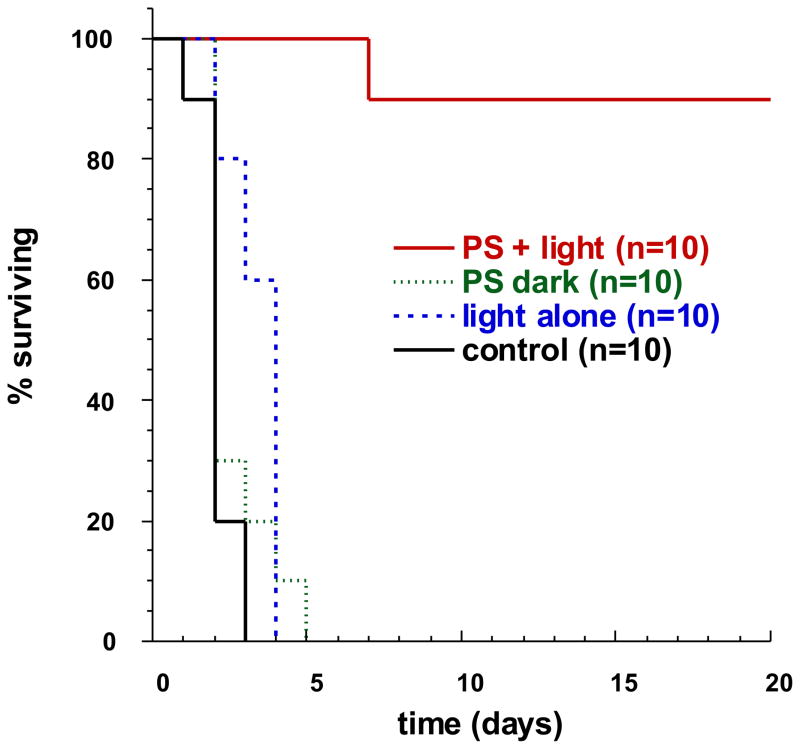
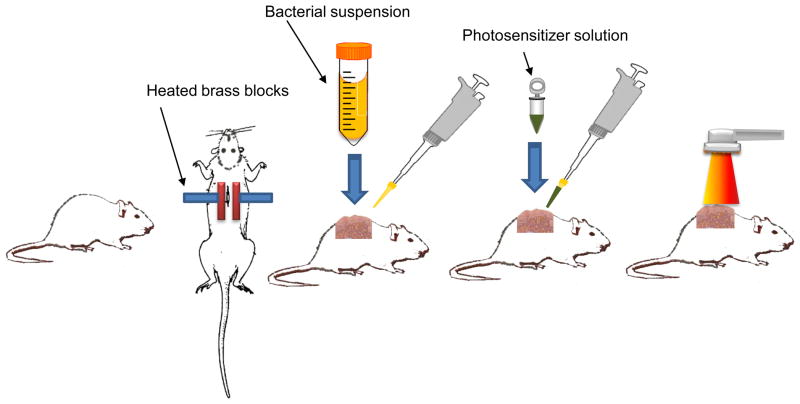
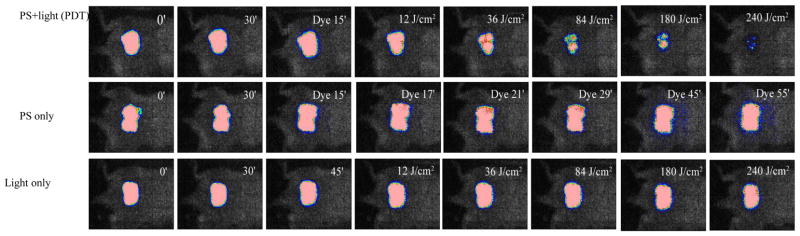
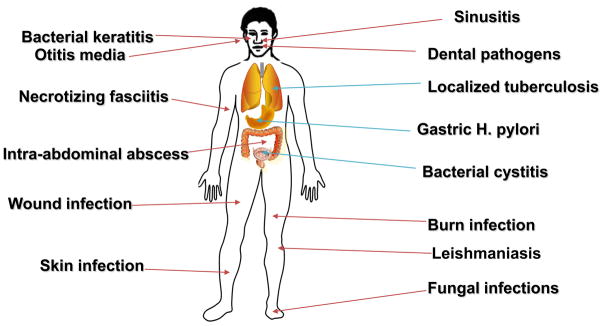
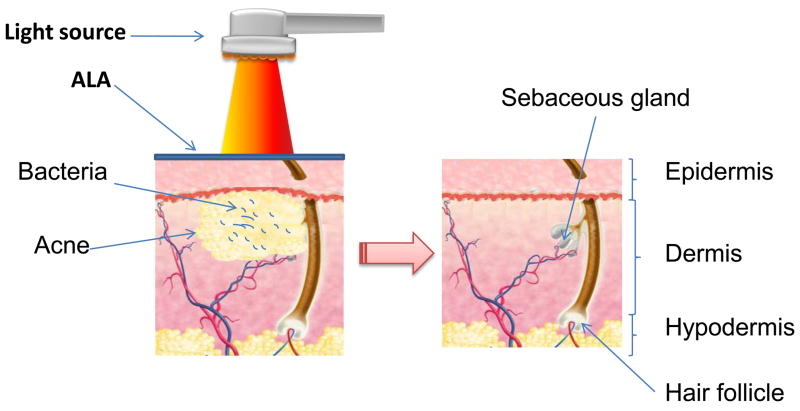
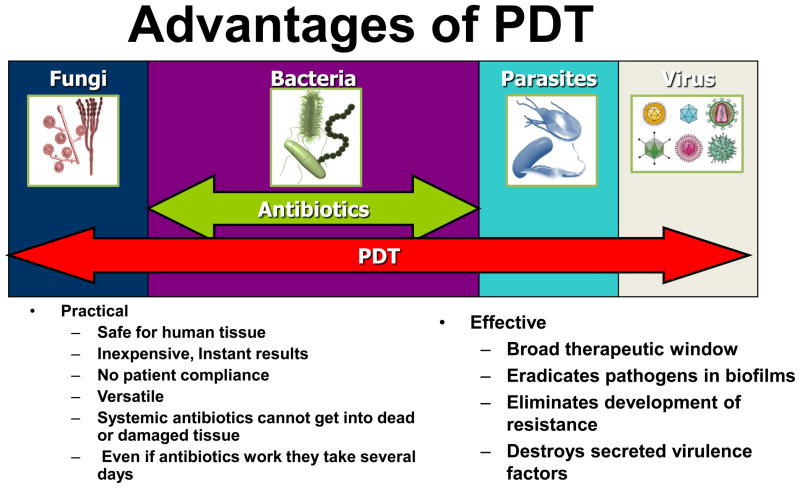
Photodynamic therapy (PDT) was discovered over 100 years ago by observing the killing of microorganisms when harmless dyes and visible light were combined in vitro. Since then it has primarily been developed as a treatment for cancer, ophthalmologic disorders and in dermatology. However, in recent years interest in the antimicrobial effects of PDT has revived and it has been proposed as a therapy for a large variety of localized infections. This revival of interest has largely been driven by the inexorable increase in drug resistance among many classes of pathogen. Advantages of PDT include equal killing effectiveness regardless of antibiotic resistance, and a lack of induction of PDT resistance. Disadvantages include the cessation of the antimicrobial effect when the light is turned off, and less than perfect selectivity for microbial cells over host tissue. This review will cover the use of PDT to kill or inactivate pathogens in ex vivo tissues and in biological materials such as blood. PDT has been successfully used to kill pathogens and even to save life in several animal models of localized infections such as surface wounds, burns, oral sites, abscesses and the middle ear. A large number of clinical studies of PDT for viral papillomatosis lesions and for acne refer to its antimicrobial effect, but it is unclear how important this microbial killing is to the overall therapeutic outcome. PDT for periodontitis is a rapidly growing clinical application and other dental applications are under investigation. PDT is being clinically studied for other dermatological infections such as leishmaniasis and mycobacteria. Antimicrobial PDT will become more important in the future as antibiotic resistance is only expected to continue to increase.
Figures
References
-
- Bell SG. Antibiotic resistance: is the end of an era near? Neonatal Netw. 2003;22:47–54. - PubMed
-
- Poole MD. Are we facing the end of the antibiotic era? Ear Nose Throat J. 1993;72:433. - PubMed
-
- Harrison JW, Svec TA. The beginning of the end of the antibiotic era? Part II. Proposed solutions to antibiotic abuse. Quintessence Int. 1998;29:223–229. - PubMed
-
- Mroz P, Hamblin MR. Advances in photodynamic therapy: basic, translational and clinical. Norwood, MA: Artech House; 2008.
-
- Ochsner M. Photophysical and photobiological processes in the photodynamic therapy of tumours. J Photochem Photobiol B. 1997;39:1–18. - PubMed
Publication types
MeSH terms
Substances
Grants and funding
LinkOut - more resources
Full Text Sources
Other Literature Sources
Medical
