


Mini-review: Management of hypoglycaemia in children aged 0-59 months
- PMID: 19933785
- PMCID: PMC2948531
- DOI: 10.1093/tropej/fmp109
Mini-review: Management of hypoglycaemia in children aged 0-59 months
Abstract
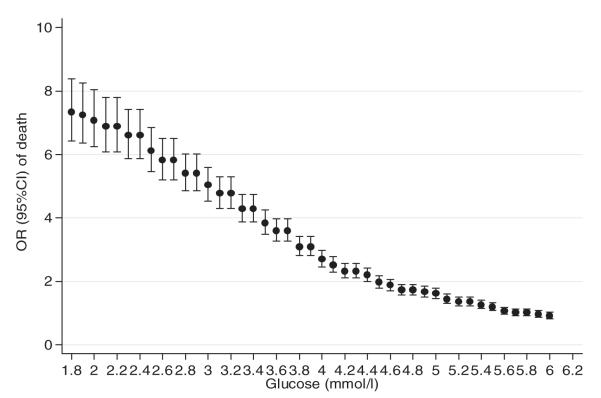
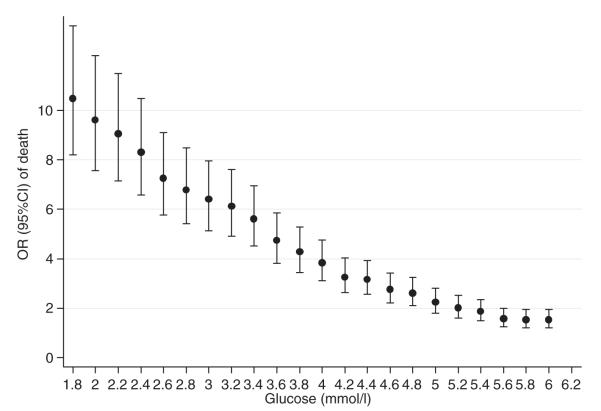
Hypoglycaemia is associated with poor prognosis in many severe childhood illnesses especially in sub-Saharan Africa where the prevalence of malaria, diarrhoea and malnutrition remains high. Uncertainty, however, still persists regarding the significance, definition and management of childhood hypoglycaemia. As a step towards defining optimal, evidence-based diagnostic and management criteria, we (i) reviewed the evidence underlying current recommendations for the management of hypoglycaemia, and (ii) analysed a large set of data on blood glucose levels and associated outcomes of paediatric admissions in a rural hospital over an 11-year period. Current definitions and treatment protocols for hypoglycaemia are based on observational data and expert opinion. Future large pragmatic randomized trials would help define optimal treatment thresholds. Emerging evidence suggests that sublingual sugar is a feasible and effective therapy for correction of hypoglycaemia, and should be considered where intravenous glucose is delayed or impossible.
Figures
References
-
- Cornblath M, Hawdon JM, Williams AF, et al. Controversies regarding definition of neonatal hypoglycaemia: suggested operational thresholds. Pediatrics. 2000;105:1141–5. - PubMed
-
- Marsh K, Forster D, Waruiru C, et al. Indicators of life-threatening malaria in African children. N Engl J Med. 1995;332:1399–404. - PubMed
-
- World Health Organization . Hypoglycaemia of the Newborn: Review of the Literature in Hypoglycaemia. WHO; Geneva: 1997.
Publication types
MeSH terms
Substances
Grants and funding
LinkOut - more resources
Full Text Sources
Medical
Research Materials
