


Animals to heal animals: ethnoveterinary practices in semiarid region, northeastern Brazil
- PMID: 19941663
- PMCID: PMC2788532
- DOI: 10.1186/1746-4269-5-37
Animals to heal animals: ethnoveterinary practices in semiarid region, northeastern Brazil
Abstract
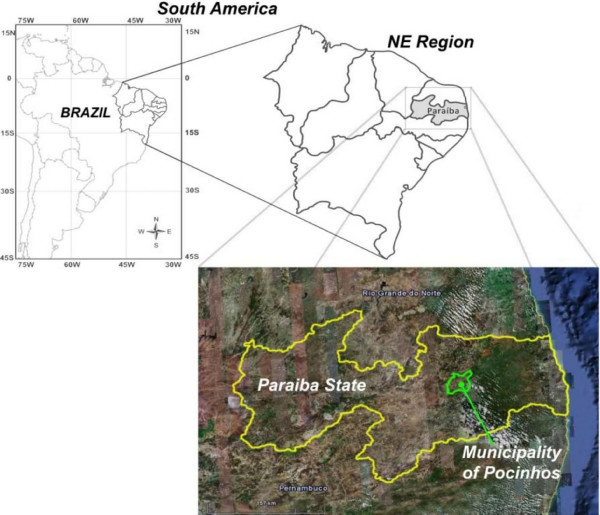
Background: Animal-based remedies constitute an integral part of Traditional Medicine and this is true in Brazil as well both in rural and urban areas of the country. Due to its long history, zootherapy has in fact become an integral part of folk medicine in the country. The use of these natural resources for medical purposes, however, is not restricted to human diseases treatment, being also widely used for the treatment of animal illnesses. Ethnoveterinary is a science that involves the popular practical knowledge used to treat and prevent animal diseases. This study documents ethnoveterinary practices in one local semi-arid region in Northeast Brazil and discusses the findings in the surveyed area.
Methods: Information was obtained through the use of semi-structured questionnaires. A total of 20 respondents (09 men and 11 women) provided information on animal species and body parts used as medicine, information concerning the illnesses to which the remedies were prescribed were also obtained.
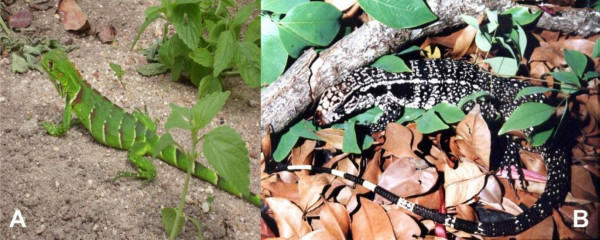
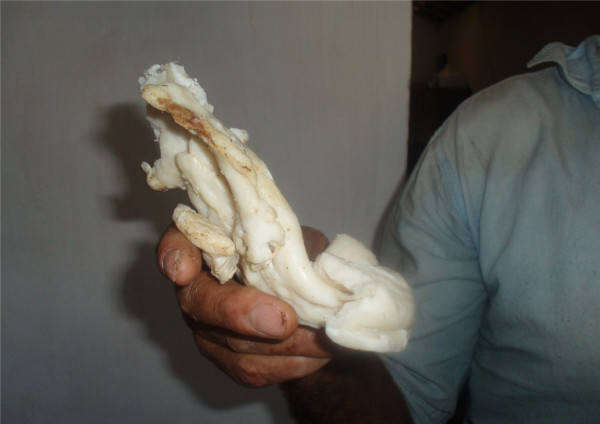
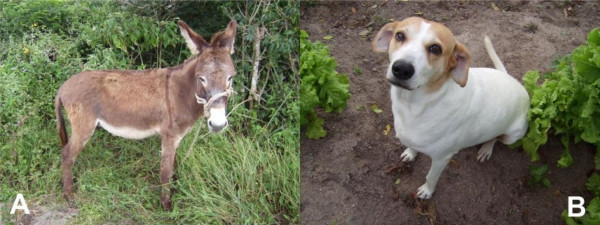
Results and conclusion: Eleven animal species were used in the treatment of 11 diseases in the surveyed area. The species inventoried comprise 3 taxonomic categories: mammals (05), reptiles (04) and birds (02). The obtained results proves that the use of animals or their derived products as therapeutic resources to the treatment of animal diseases represent a common practice and is culturally important in the studied area. It is evident that the popular knowledge about the ethnoveterinary practices is, frequently, passed through generations. We also noticed that, besides the cultural aspects, the socio-economic context permeates the use of zootherapics, since these practices constitute an alternative to the medicines acquired in veterinarian pharmacies, which have a high cost.
Figures
References
-
- David JP, Anderson LA. Ethnopharmacology and western medicine. Journal of Ethnopharmacology. 1969;25:61–72. - PubMed
MeSH terms
LinkOut - more resources
Full Text Sources
