


MicroRNA-29a regulates intestinal membrane permeability in patients with irritable bowel syndrome
- PMID: 19951903
- PMCID: PMC2891786
- DOI: 10.1136/gut.2009.181834
MicroRNA-29a regulates intestinal membrane permeability in patients with irritable bowel syndrome
Abstract
Background: The molecular mechanisms underlying the pathophysiology of irritable bowel syndrome (IBS) are poorly understood. One mechanism may involve increased intestinal permeability that is reversed with glutamine supplementation. Our goal was to evaluate the expression of glutamine synthetase and its complementary miRNA in blood microvesicles and gut tissues of IBS patients with increased intestinal membrane permeability.
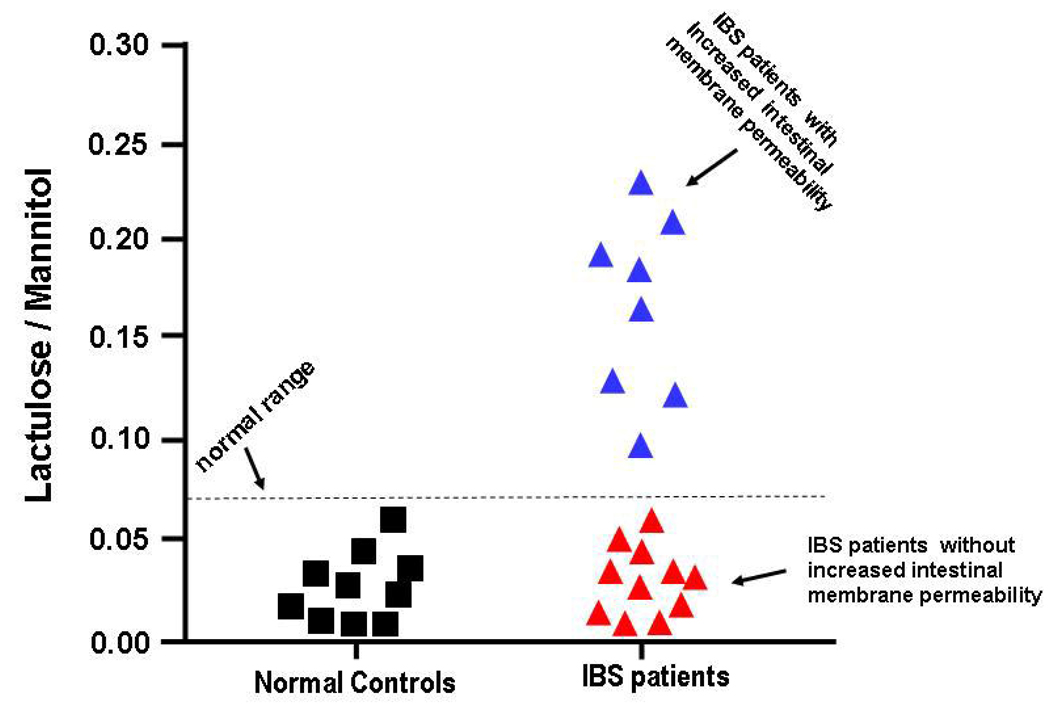
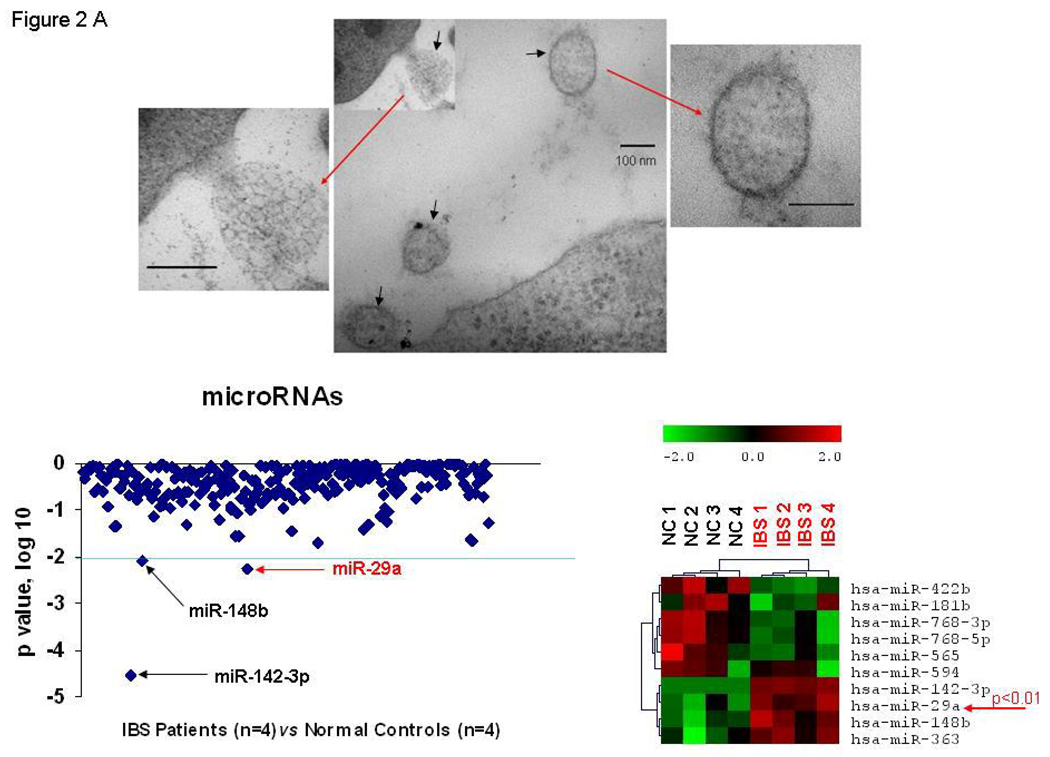
Methods: We evaluated 19 diarrhoea-predominant IBS patients and 10 controls for intestinal membrane permeability using the lactulose/mannitol method. miRNA expression was evaluated in blood microvesicles and gut tissue. To further confirm the relationship between miRNA and glutamine synthetase expression, cell culture experiments were conducted. Glutamine synthetase was also evaluated in the gut tissues of patients.
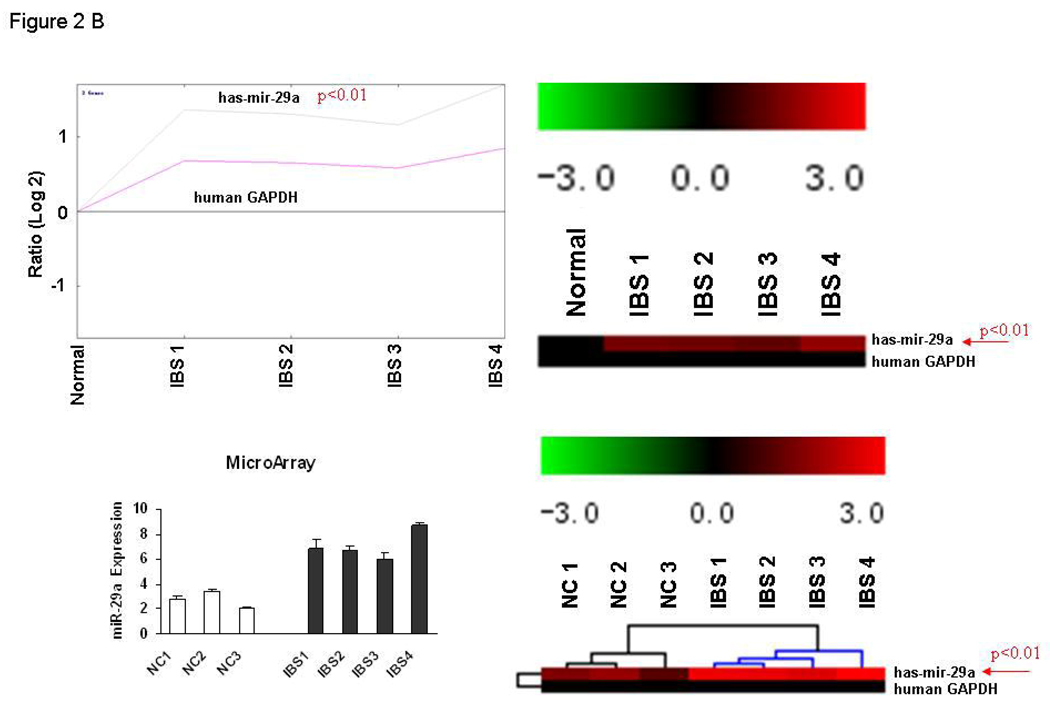
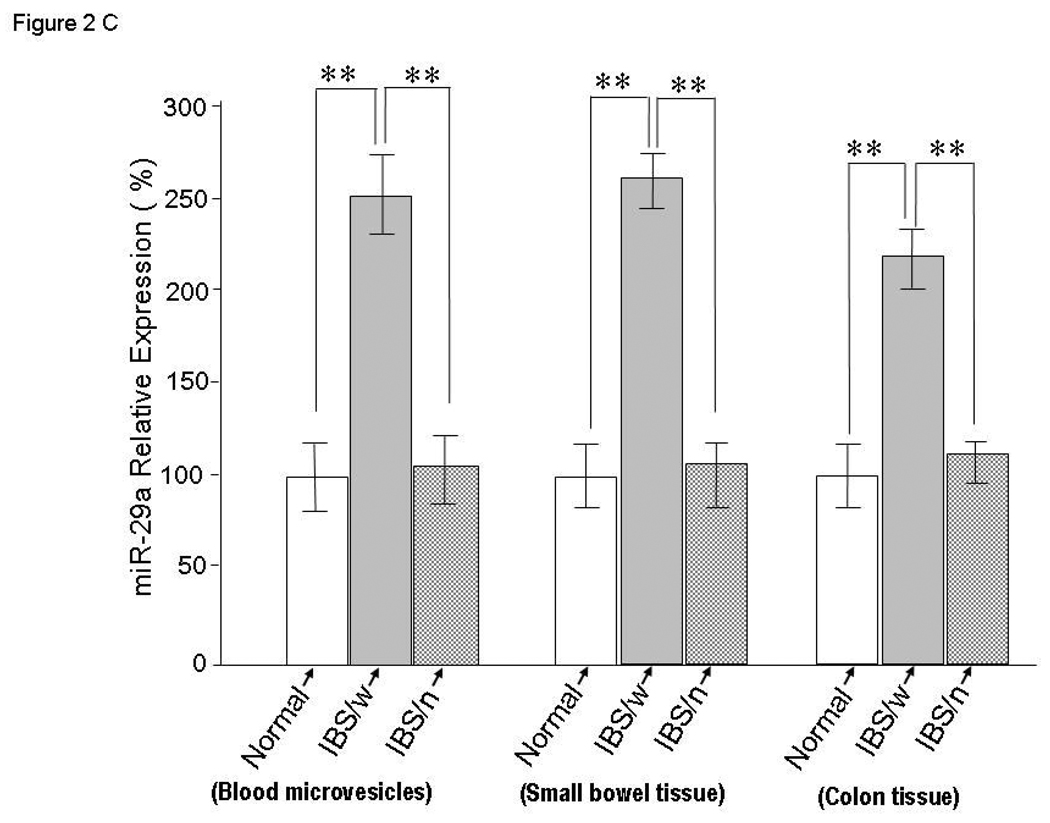
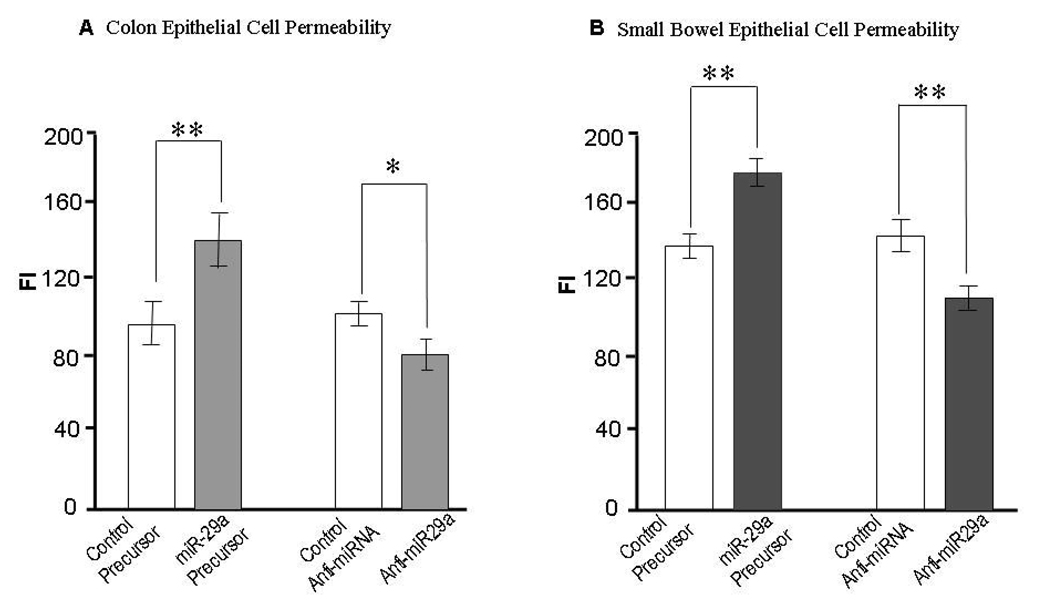
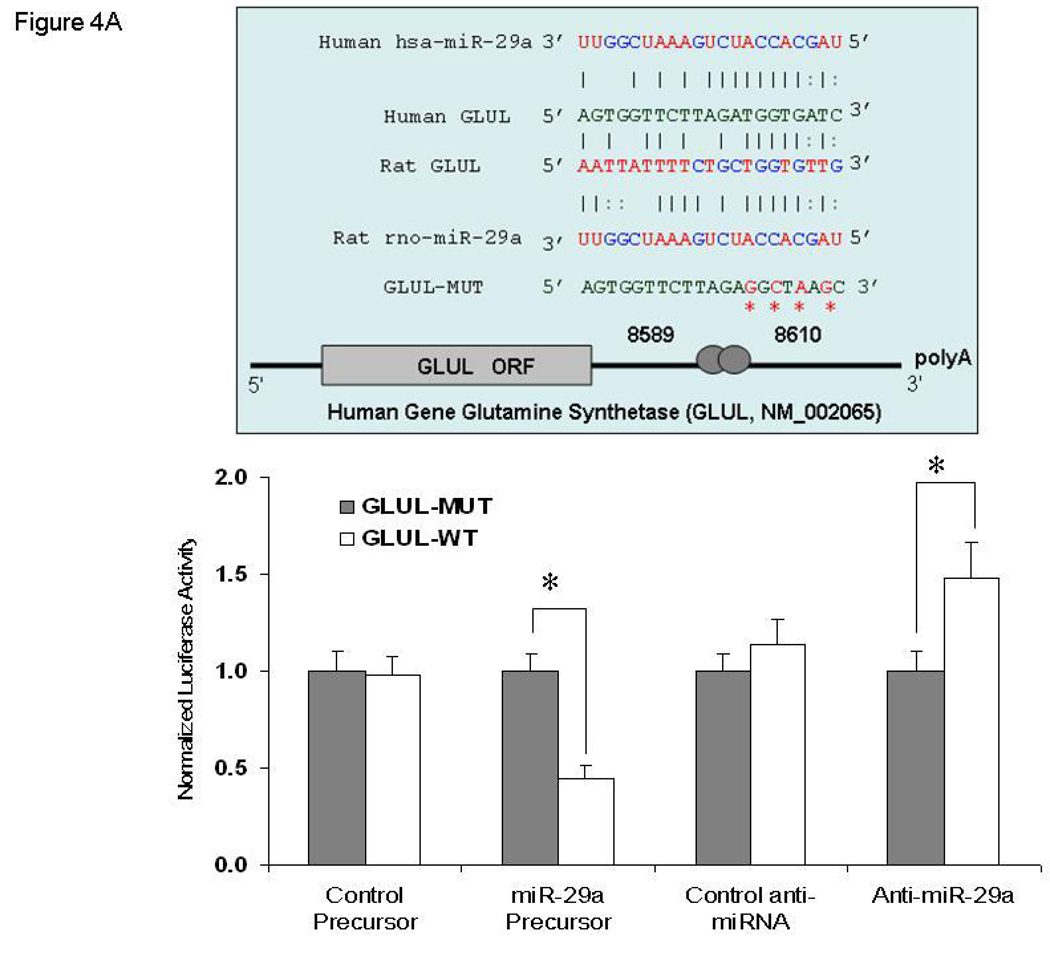
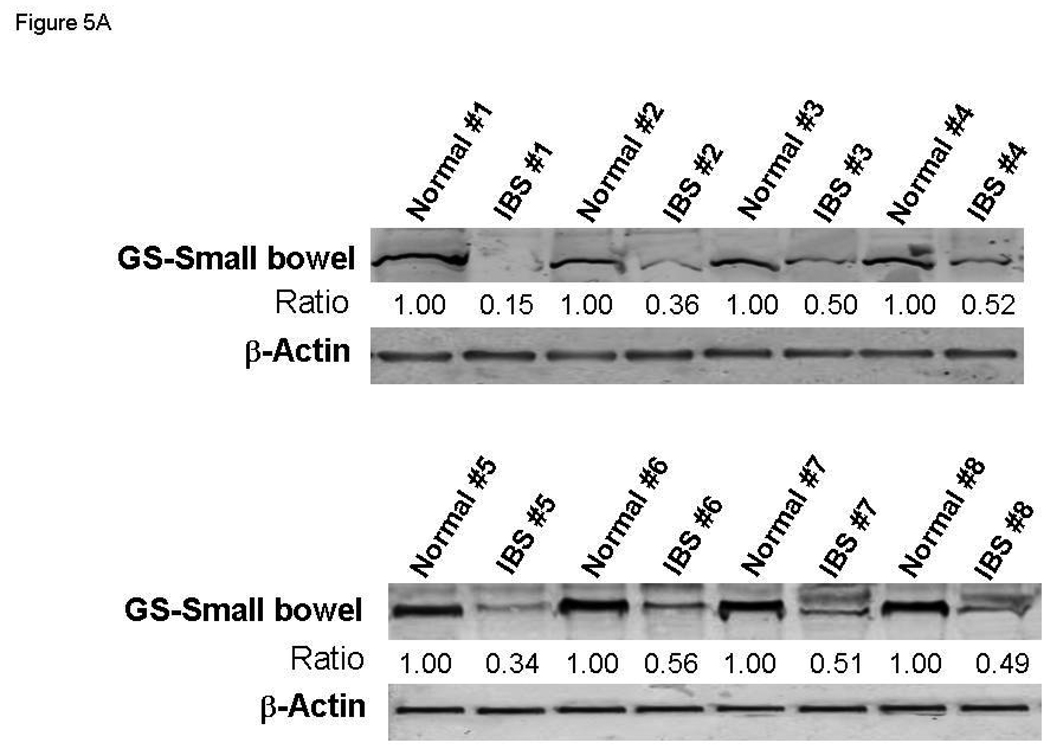
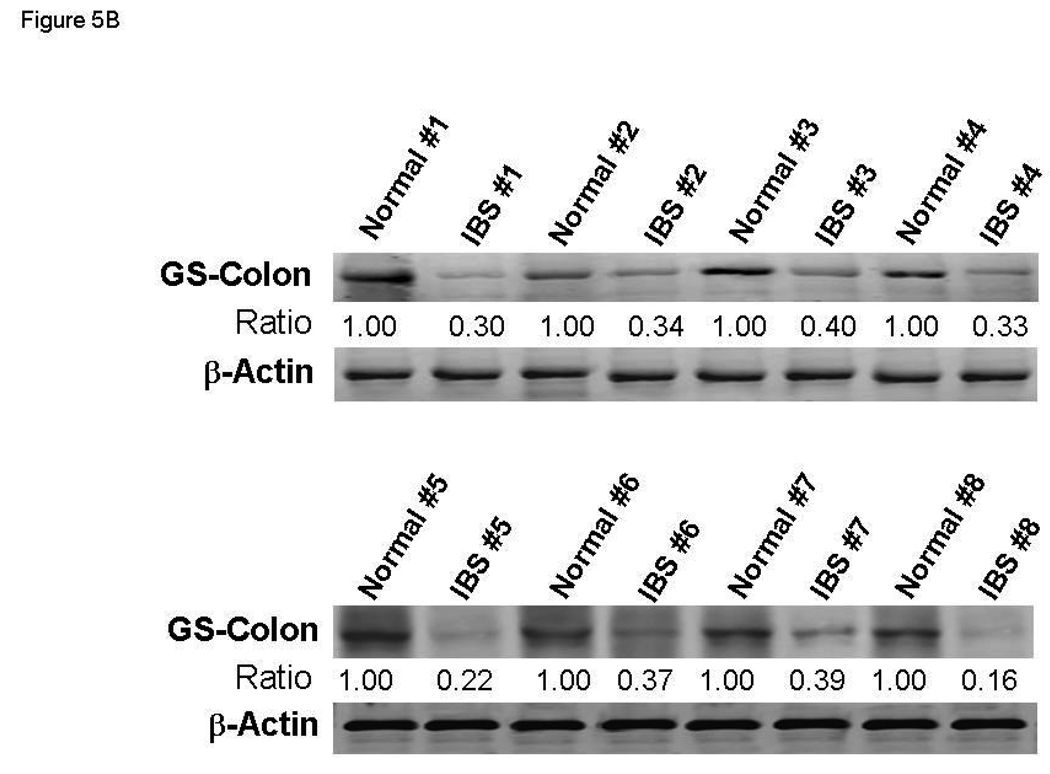
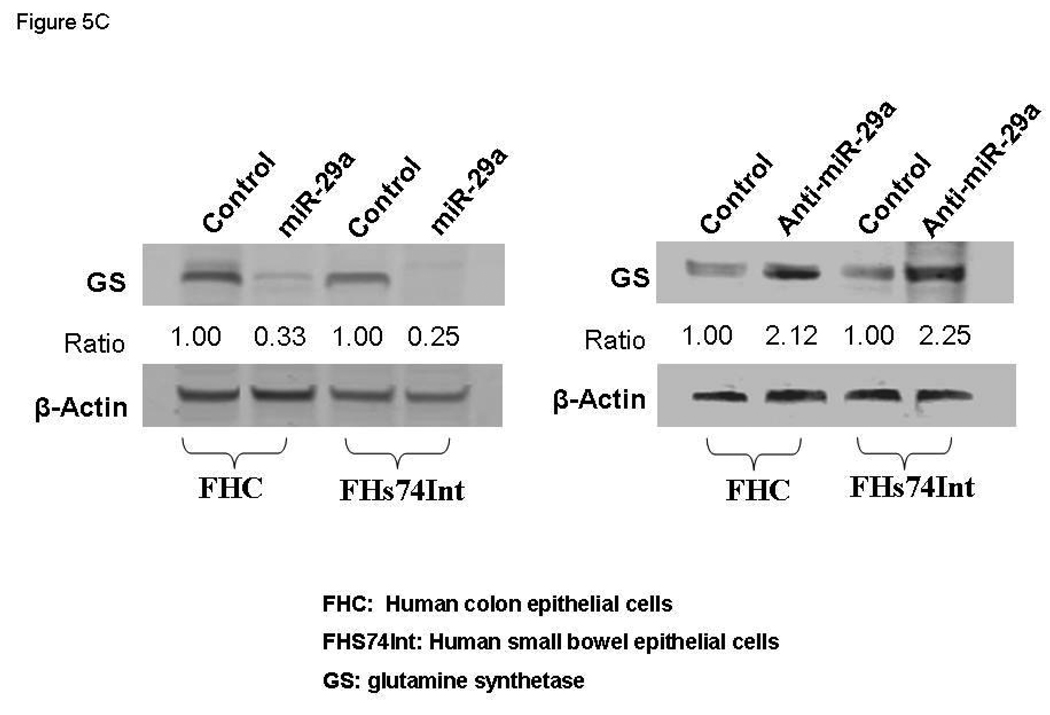
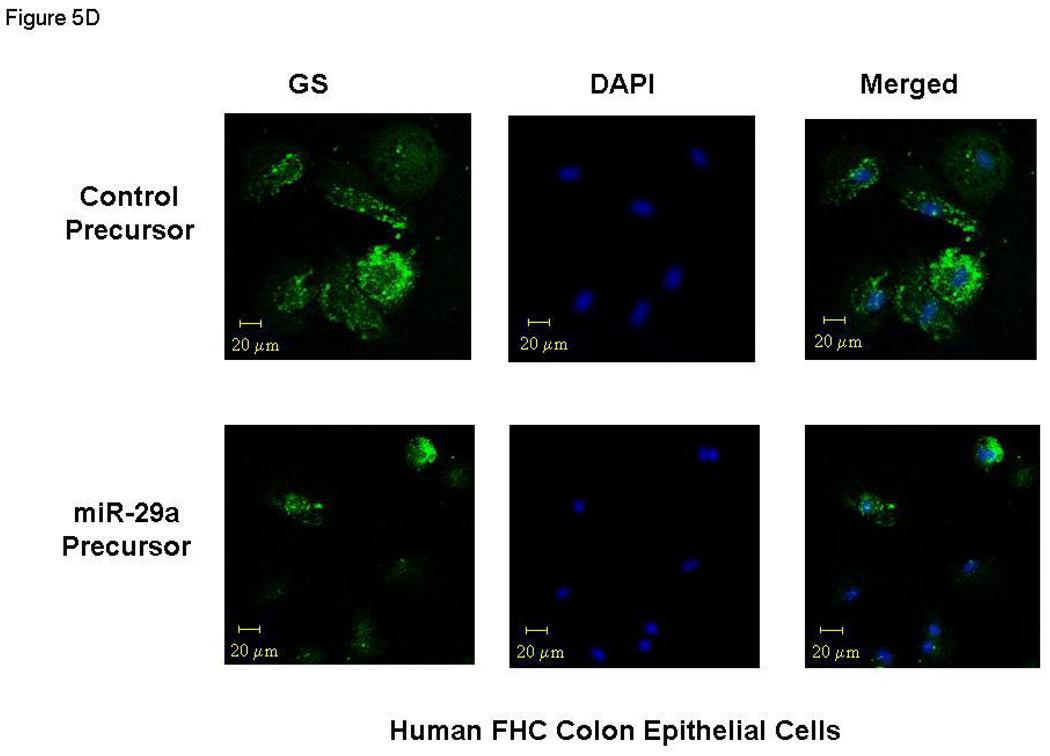
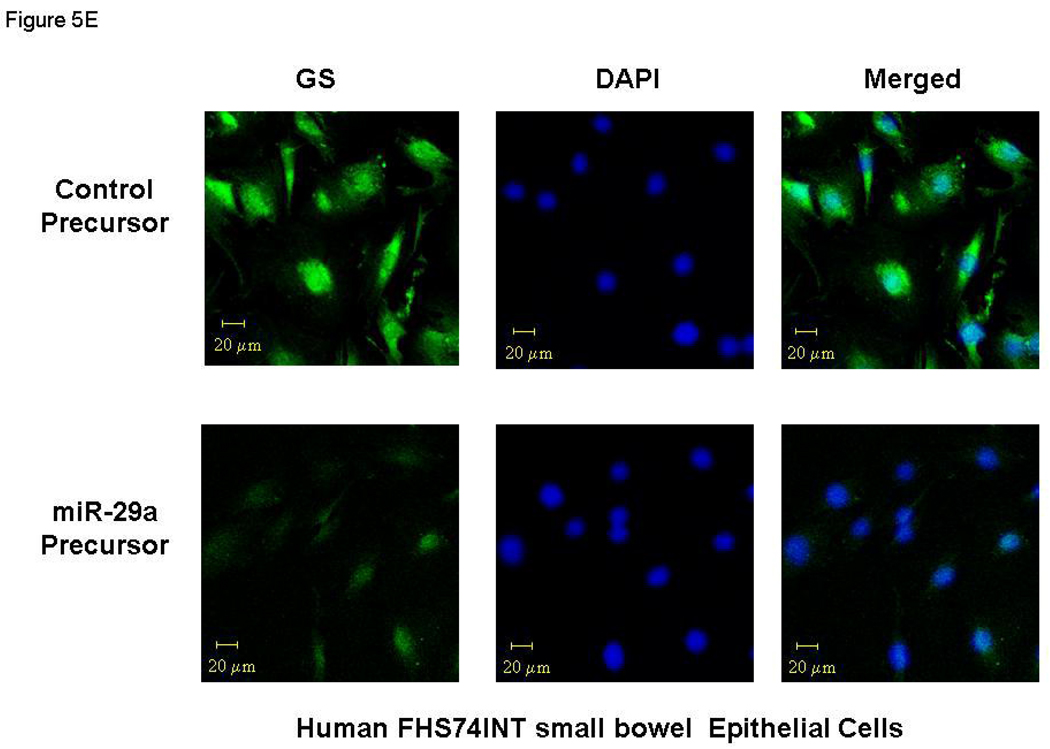
Results: A subset of patients with IBS (8/19, 42%) had increased intestinal membrane permeability and decreased glutamine synthetase expression compared to patients with IBS normal membrane permeability, and to controls. Expression of miR-29a was increased in blood microvesicles, small bowel and colon tissues of IBS patients with increased intestinal membrane permeability. Increased intestinal permeability was modulated by miR-29a which has a complementary site in the 3'-UTR of the GLUL gene.
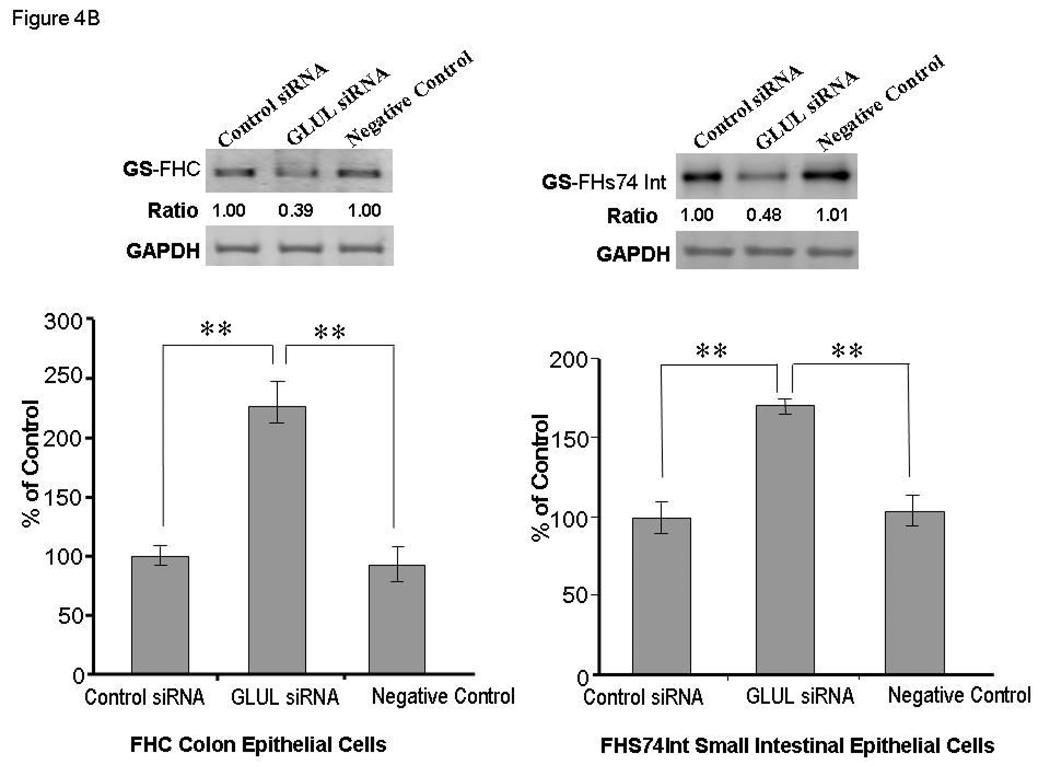
Conclusions: The results support the conclusion that GLUL regulates intestinal membrane permeability and miR-29a regulates both GLUL and intestinal membrane permeability. The data suggests that miR-29a effects on intestinal membrane permeability may be due to its regulation of GLUL. Targeting this signalling pathway could lead to a new therapeutic approach to the treatment of patients with IBS, especially because small molecules that mimic or inhibit miRNA-based mechanisms are readily available.
Figures
Comment in
-
Role of microRNA in IBS with increased gut permeability.Gut. 2010 Jun;59(6):710-2. doi: 10.1136/gut.2009.203695. Gut. 2010. PMID: 20551452 No abstract available.
References
-
- Verne GN, Cerda JJ. Irritable bowel syndrome. Streamlining the diagnosis. Postgrad Med. 1997;102:197–208. - PubMed
-
- Verne GN, Himes NC, Robinson ME, et al. Central representation of visceral and cutaneous hypersensitivity in the irritable bowel syndrome. Pain. 2003;103(1–2):99–110. - PubMed
-
- Verne GN, Robinson ME, Price DD. Hypersensitivity to visceral and cutaneous pain in the irritable bowel syndrome. Pain. 2001;93(1):7–14. - PubMed
-
- Dunlop SP, Hebden J, Campbell E, et al. Abnormal intestinal permeability in subgroups of diarrhea-predominant irritable bowel syndromes. Am J Gastroenterol. 2006;101:1288–1294. - PubMed
Publication types
MeSH terms
Substances
Grants and funding
LinkOut - more resources
Full Text Sources
Other Literature Sources
Miscellaneous
