


Neuroendocrine consequences of anorexia nervosa in adolescents
- PMID: 19955768
- PMCID: PMC3731628
- DOI: 10.1159/000262540
Neuroendocrine consequences of anorexia nervosa in adolescents
Abstract
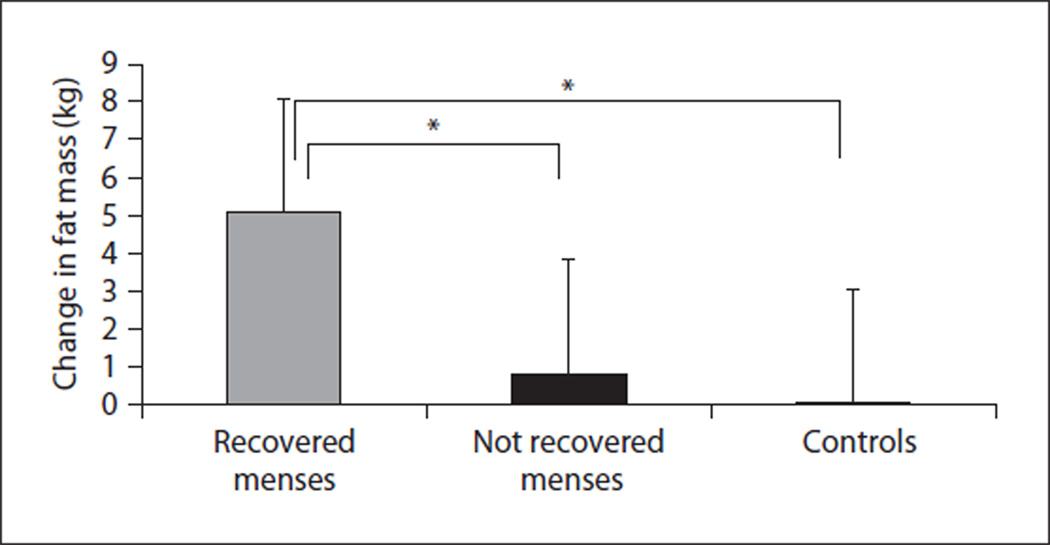
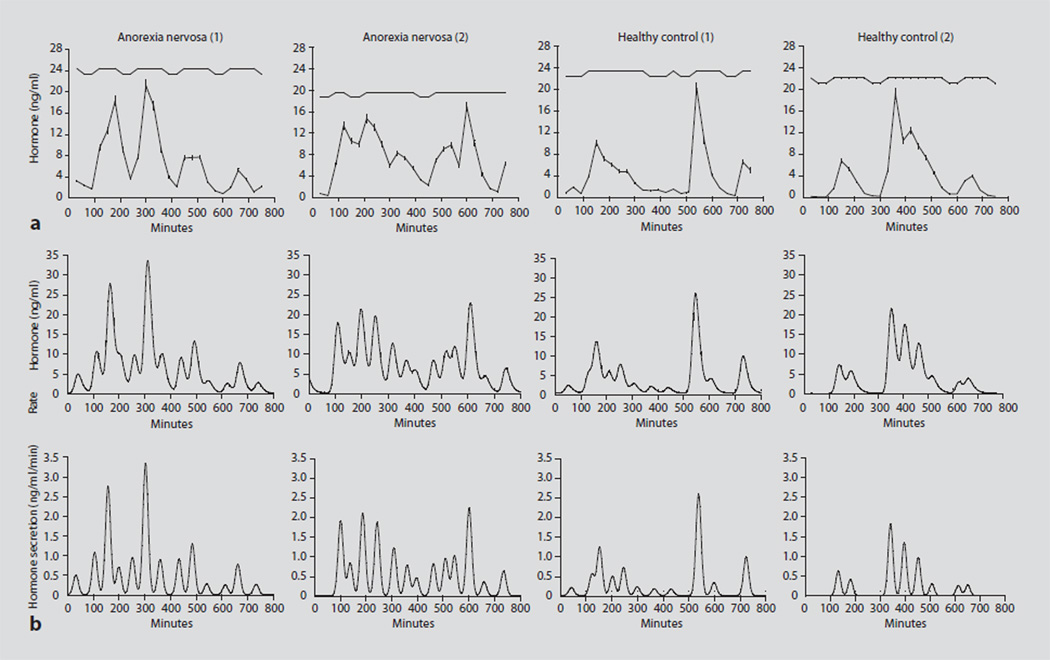
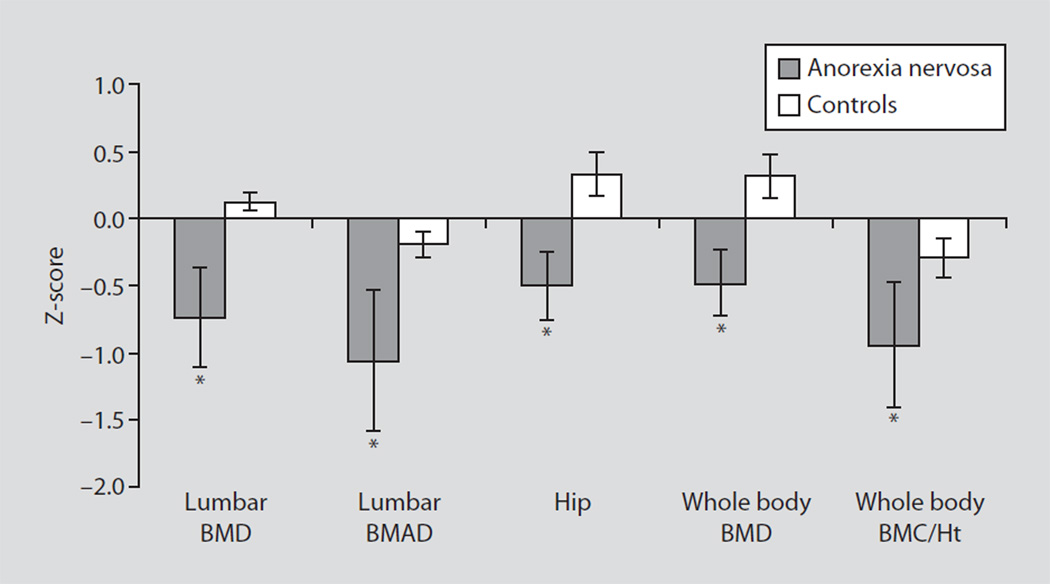
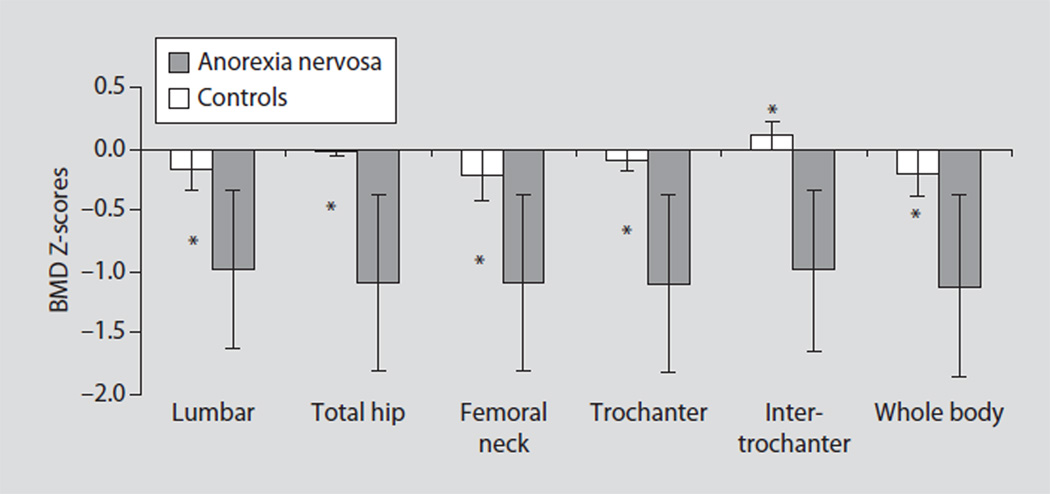
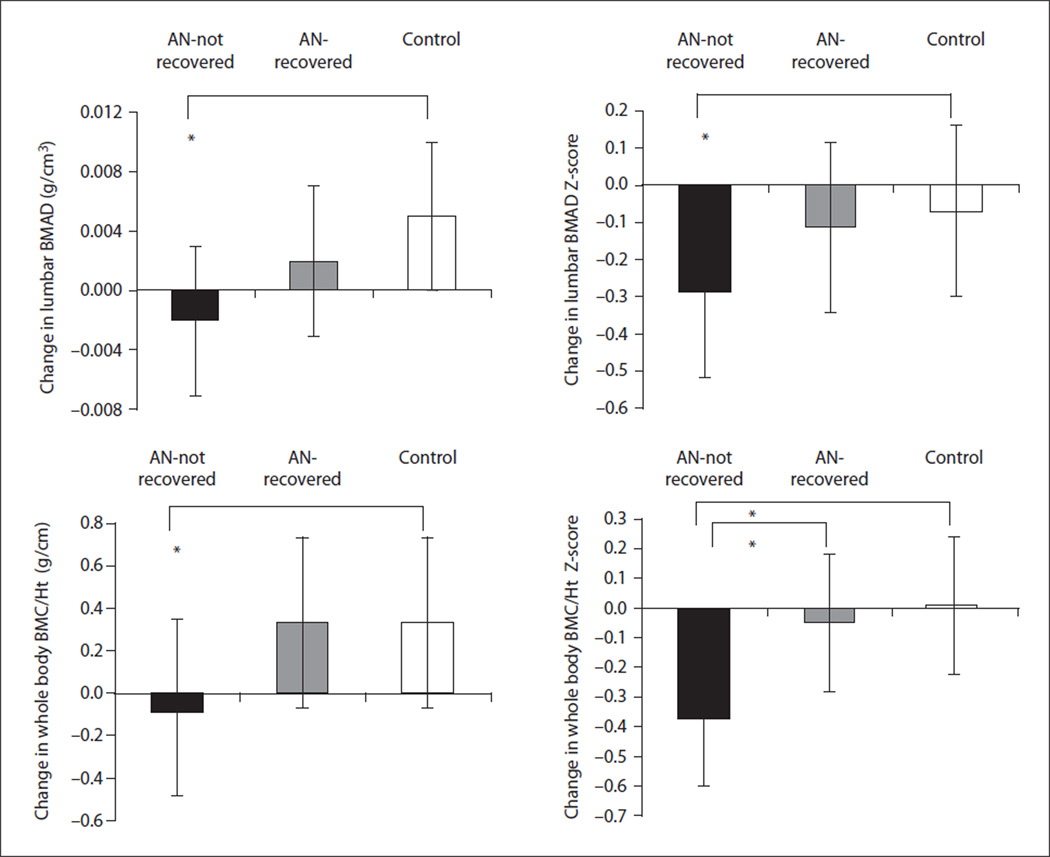
Anorexia nervosa (AN) is a condition of severe undernutrition characterized by alterations in multiple neuroendocrine axes and peptides that signal or regulate energy intake. These alterations include a state of hypogonadotropic hypogonadism, a nutritionally acquired resistance to growth hormone (GH) with low IGF-1 levels, relative hypercortisolemia, low total T3 despite normal TSH, low levels of leptin and insulin, and elevated levels of ghrelin, peptide YY (PYY) and possibly adiponectin. Although many of these changes are adaptive to low weight, they can impact bone metabolism, body composition, reproductive function and statural growth. Low bone mass is characteristic of AN in both adolescent boys and girls. In girls, sites of trabecular bone are more likely to be affected than sites of cortical bone, whereas in boys with AN, sites of cortical bone are more commonly affected. Bone microarchitecture is also affected in adolescent girls with AN, with a decrease in trabecular thickness and bone trabecular volume, and an increase in trabecular separation. Important predictors of low bone density include nutritional factors, body composition, hypogonadism, low IGF-1, elevated cortisol and PYY levels, with possible contributions of low insulin. Weight gain is associated with a stabilization of bone density, although residual deficits persist in the short term, and in some cases, long term.
Copyright 2010 S. Karger AG, Basel.
Figures

References
-
- Diagnostic and Statistical Manual of Mental Disorders. ed 3. Washington: American Psychiatric Association; 1987.
-
- Lucas AR, Beard CM, O’Fallon WM, Kurland LT. 50-year trends in the incidence of anorexia nervosa in Rochester, Minn.: a population-based study. Am J Psychiatry. 1991;148:917–922. - PubMed
-
- Misra M, Aggarwal A, Miller KK, et al. Effects of anorexia nervosa on clinical, hematologic, biochemical, and bone density parameters in community-dwelling adolescent girls. Pediatrics. 2004;114:1574–1583. - PubMed
-
- Boyar RM, Katz J, Finkelstein JW, et al. Anorexia nervosa. Immaturity of the 24-hour luteinizing hormone secretory pattern. N Engl J Med. 1974;291:861–865. - PubMed
Publication types
MeSH terms
Substances
Grants and funding
LinkOut - more resources
Full Text Sources
Miscellaneous
