


MR imaging-guided interventions in the genitourinary tract: an evolving concept
- PMID: 19962090
- PMCID: PMC4072848
- DOI: 10.1016/j.mric.2009.09.002
MR imaging-guided interventions in the genitourinary tract: an evolving concept
Abstract
MR imaging-guided interventions are well established in routine patient care in many parts of the world. There are many approaches, depending on magnet design and clinical need, based on MR imaging providing excellent inherent tissue contrast without ionizing radiation risk for patients. MR imaging-guided minimally invasive therapeutic procedures have advantages over conventional surgical procedures. In the genitourinary tract, MR imaging guidance has a role in tumor detection, localization, and staging and can provide accurate image guidance for minimally invasive procedures. The advent of molecular and metabolic imaging and use of higher strength magnets likely will improve diagnostic accuracy and allow targeted therapy to maximize disease control and minimize side effects.
Figures
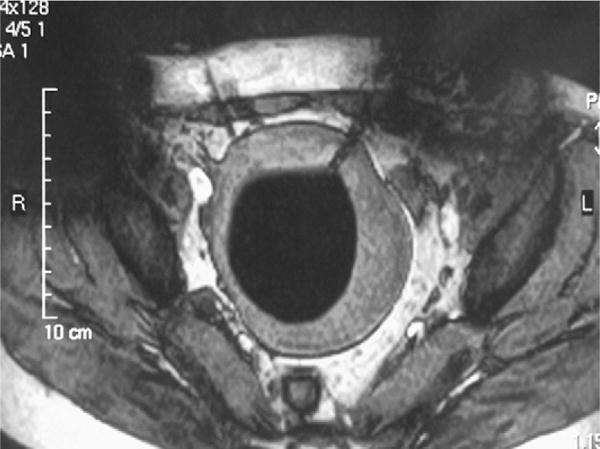
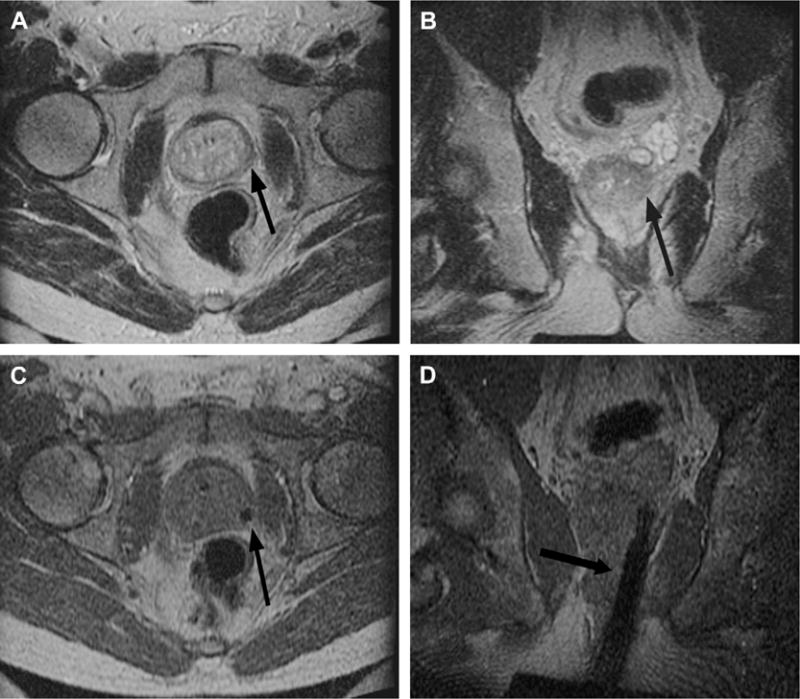
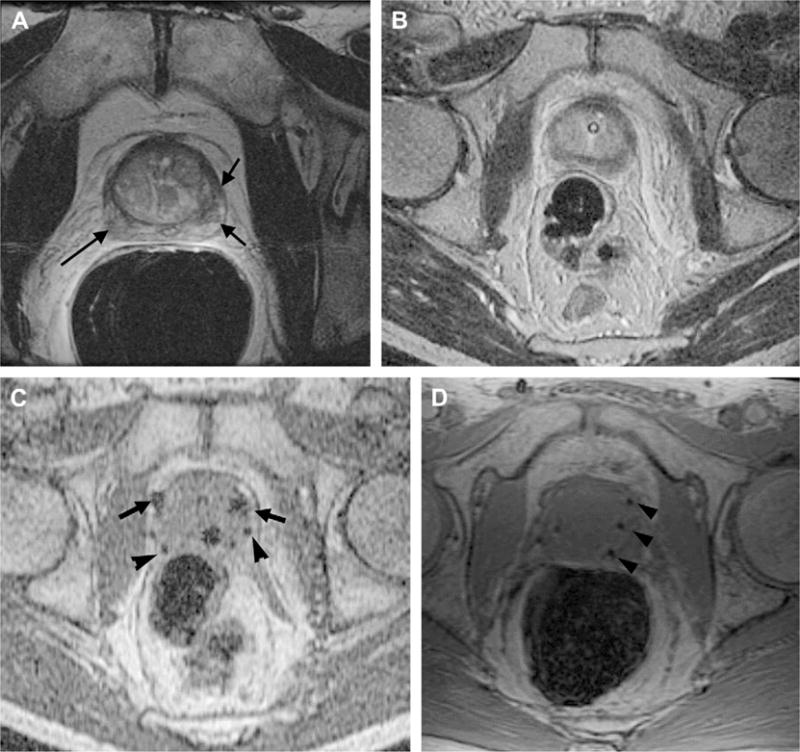
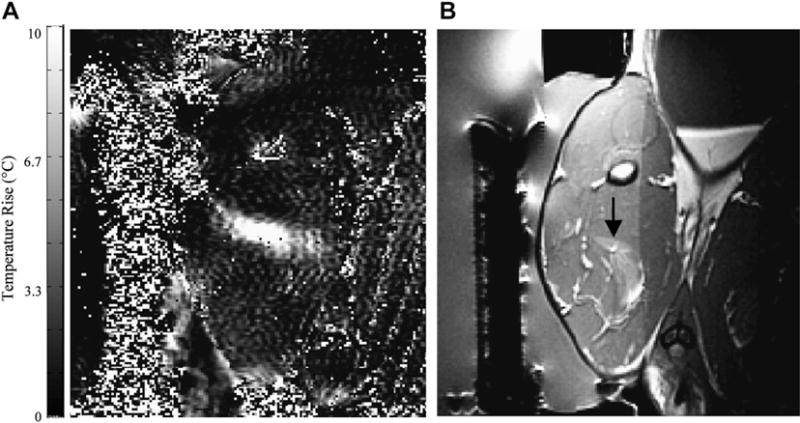
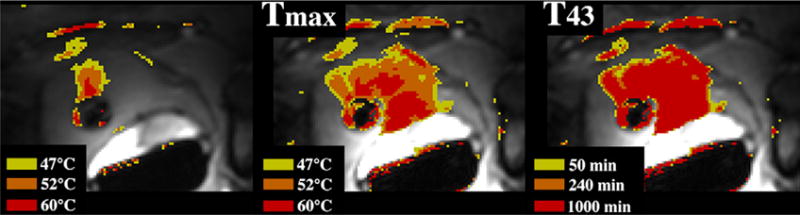
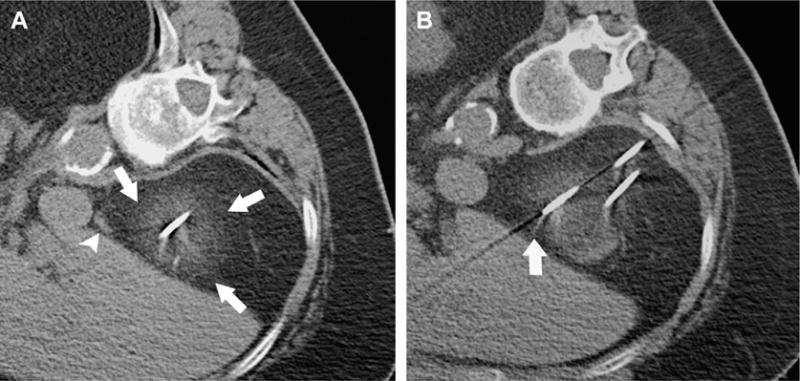
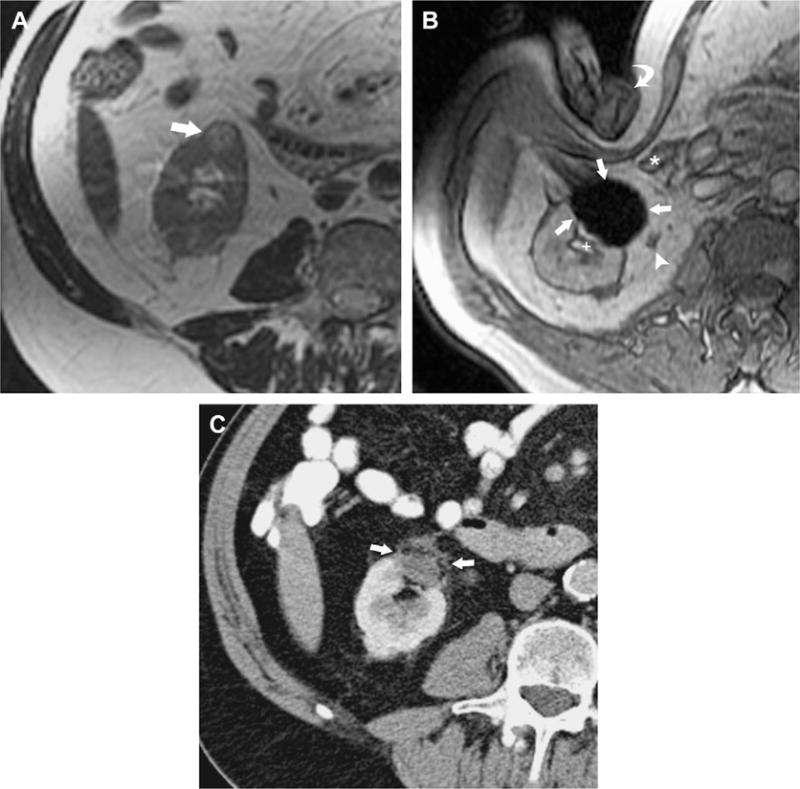
Republished from
-
MR imaging-guided interventions in the genitourinary tract: an evolving concept.Radiol Clin North Am. 2008 Jan;46(1):149-66, vii. doi: 10.1016/j.rcl.2008.01.004. Radiol Clin North Am. 2008. PMID: 18328885 Free PMC article. Review.
References
-
- Stewart AJ, Viswanathan AN. Current controversies in high-dose-rate versus low-dose-rate brachytherapy for cervical cancer. Cancer. 2006;107(5):908–15. - PubMed
-
- Stewart EA. Uterine fibroids. Lancet. 2001;357:293–8. - PubMed
-
- Ravina J, Herbreteau D, Ciraru-Vigneron N, et al. Arterial embolisation to treat uterine myomata. Lancet. 1995;346:671–2. - PubMed
-
- Fry WJ, Barnard JW, Fry FJ. Ultrasonically produced localized selective lesions in the central nervous system. Am J Phys Med. 1955;34:413–23. - PubMed
Grants and funding
LinkOut - more resources
Full Text Sources
