Antemortem diagnosis and prevention of human rabies
- PMID: 19966972
- PMCID: PMC2781142
- DOI: 10.4103/0972-2327.40219
Antemortem diagnosis and prevention of human rabies
Abstract
Human rabies still continues to be a significant health problem in India and other developing countries where dogs are the major vectors of transmission. Rabies in humans can present in two clinical forms, i.e., furious and paralytic. While diagnosis of furious rabies can be made based on the typical symptoms and signs, paralytic rabies poses a diagnostic dilemma to the neurologists who may encounter these cases in their practice. Although there are certain clinical features that distinguish this disease from other forms of Guillain-Barre syndromes, confirmation of diagnosis may require laboratory assistance. Conventional techniques such as antigen detection, antibody assays and virus isolation have limited success. The recently introduced molecular techniques show more promise in confirming the cases of paralytic rabies. There has not been much success in the treatment of confirmed rabies cases and recovery from rabies is extremely rare. Therefore, preventive measures of this dreaded disease after an exposure become extremely important. The present article reviews the current status of human rabies with regard to antemortem diagnosis, disease management and post-exposure prophylaxis.
Keywords: Diagnosis; polymerase chain reaction; rabies.
Conflict of interest statement
Figures
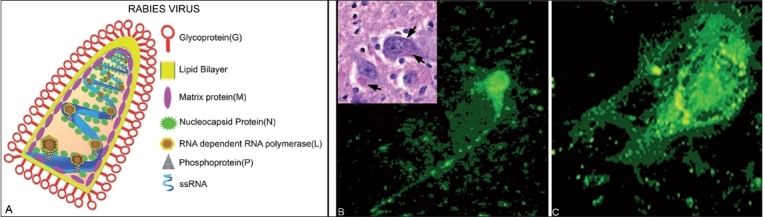
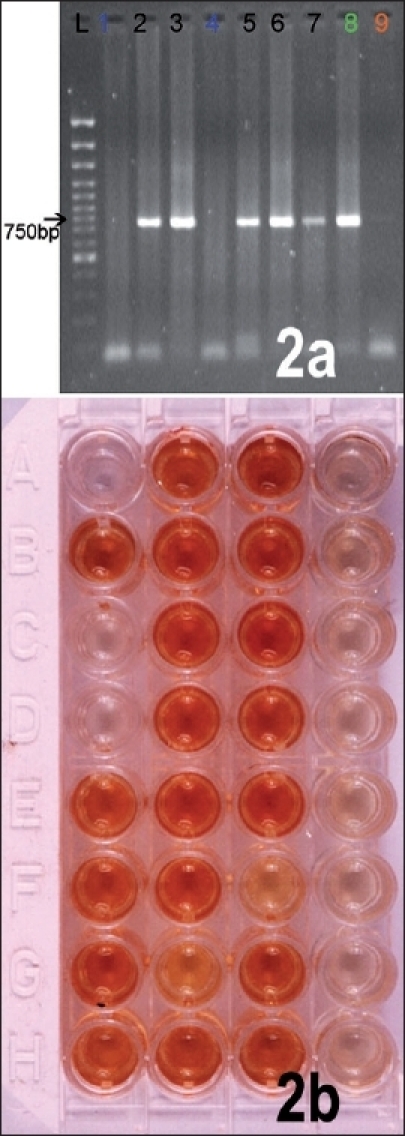
References
-
- Willoughby RE, Tieves KS, Hoffman GM, Ghanayem NS, Amlie Lefond CM, Schwabe MJ, et al. Survival after treatment of Rabies with induction of coma. N Engl J Med. 2005;352:2508–14. - PubMed
-
- Prevention and control of rabies in South-East Asia Region. World Health Organization, Regional Office for South East Asia, New Delhi. SEA-Rabies. 2004;23
-
- Murphy FA, Bauer SP, Harrison AK, Winn WC. Comparative pathogenesis of rabies and rabies like viruses: Viral infection and transit from inoculation site to the central nervous system. Lab Invest. 1973;28:361–76. - PubMed
-
- Lentz TL, Benson RJ, Klimovicz D, Wilson PT, Hawrot E. Binding of rabies virus to purified Torpedo acetylcholine receptor. Mol Brain Res. 1986;1:211–9. - PubMed
-
- Ceccaldi PE, Fillon MP, Ermine A, Tsiang H, Fillion G. Rabies virus selectively alters 5-HT1 receptor subtypes in rat brain. Eur J Pharmacol. 1993;245:129–38. - PubMed