


The importance of botellas and other plant mixtures in Dominican traditional medicine
- PMID: 20006697
- PMCID: PMC2829983
- DOI: 10.1016/j.jep.2009.12.013
The importance of botellas and other plant mixtures in Dominican traditional medicine
Abstract
Ethnopharmacological relevance: Plant mixtures are understudied in ethnobotanical research.
Aim of the study: To investigate the importance of plant mixtures (remedies consisting of at least two plants) in Dominican traditional medicine.
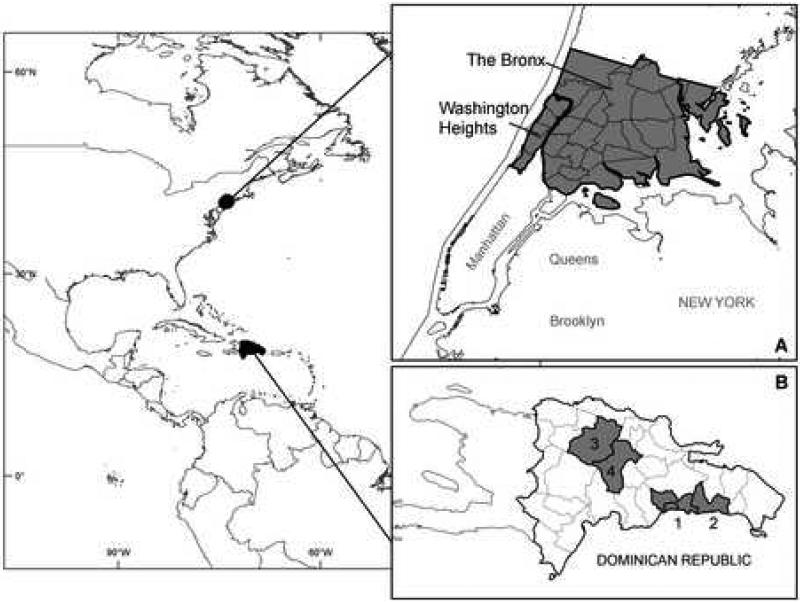
Materials and methods: A Spanish language questionnaire was administered to 174 Dominicans living in New York City (NYC) and 145 Dominicans living in the Dominican Republic (DR), including lay persons (who self-medicate with plants) and specialists (traditional healers). Plants were identified through specimens purchased in NYC botánica shops and Latino grocery shops, and from voucher collections.
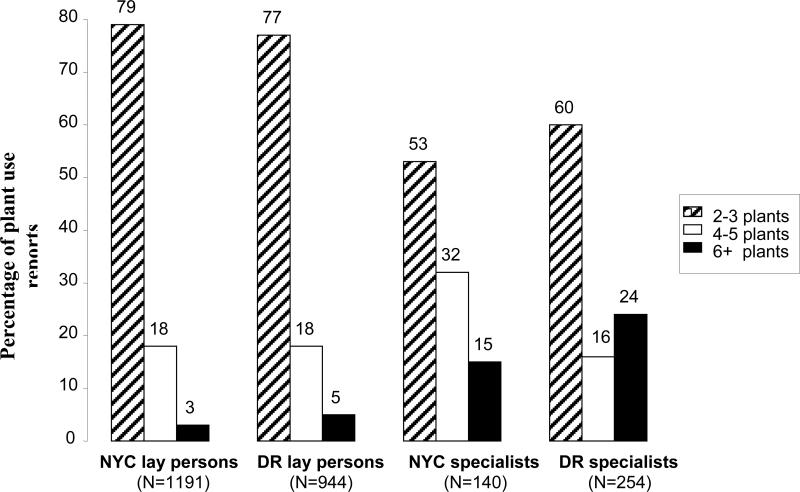
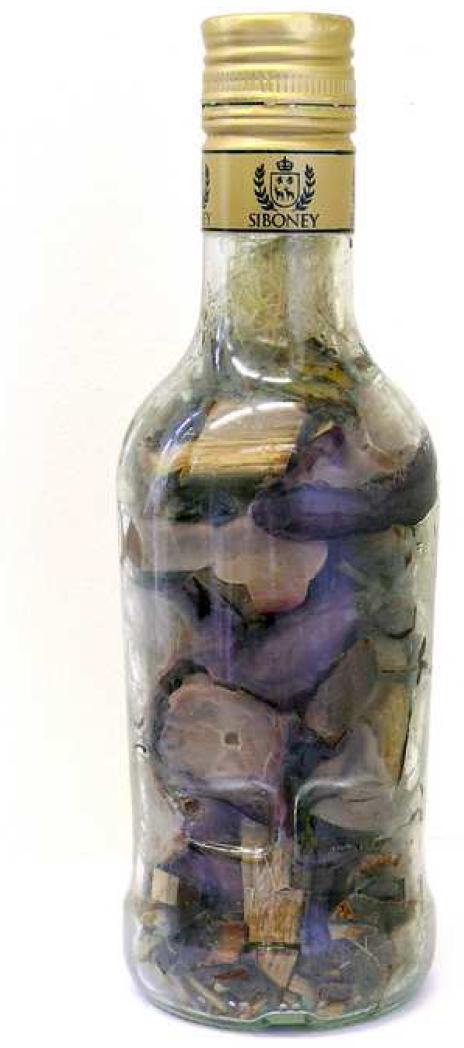
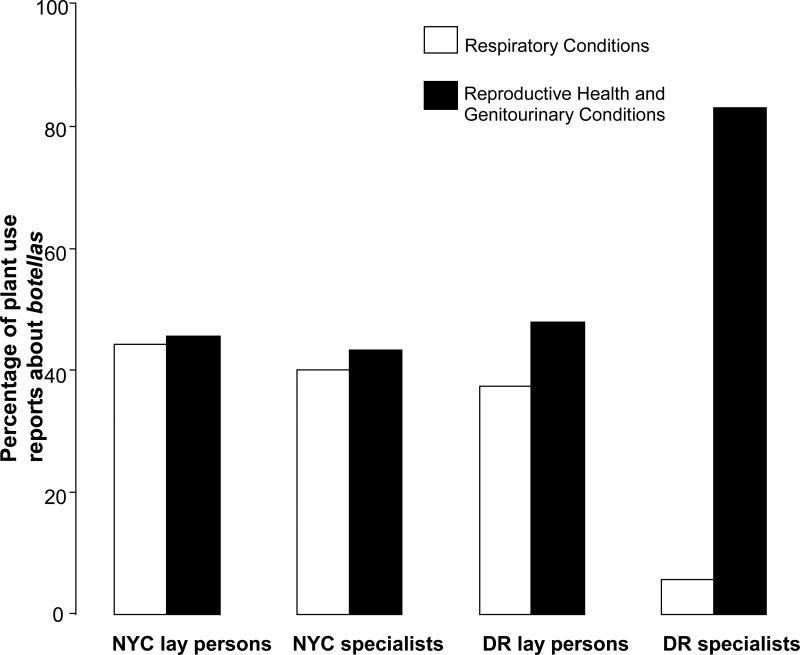
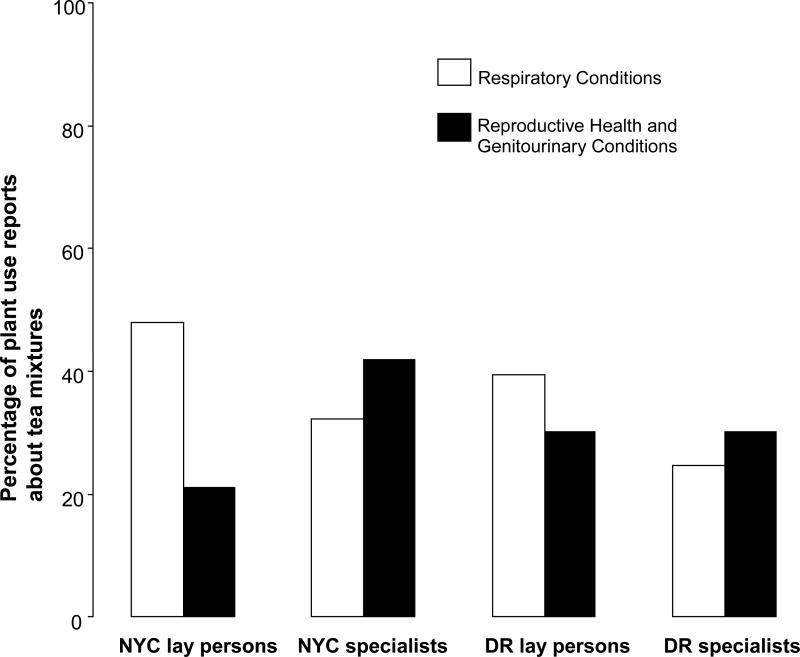
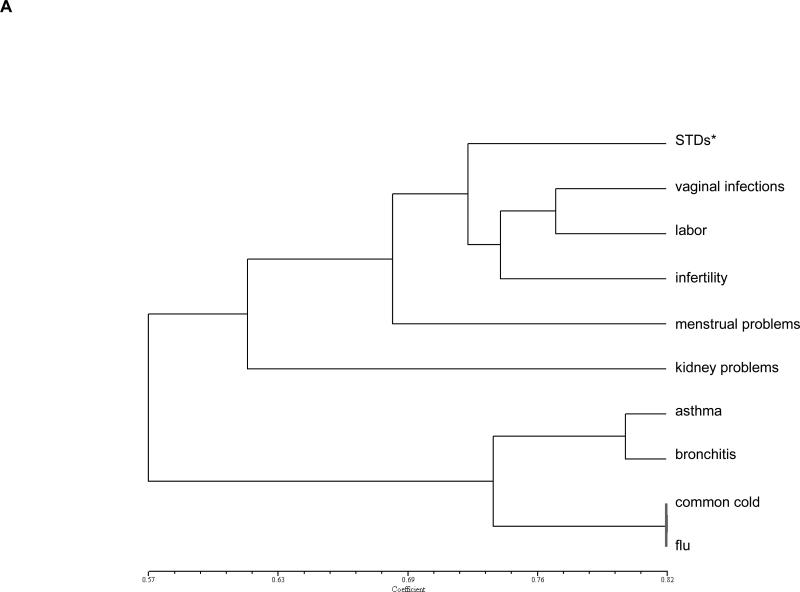
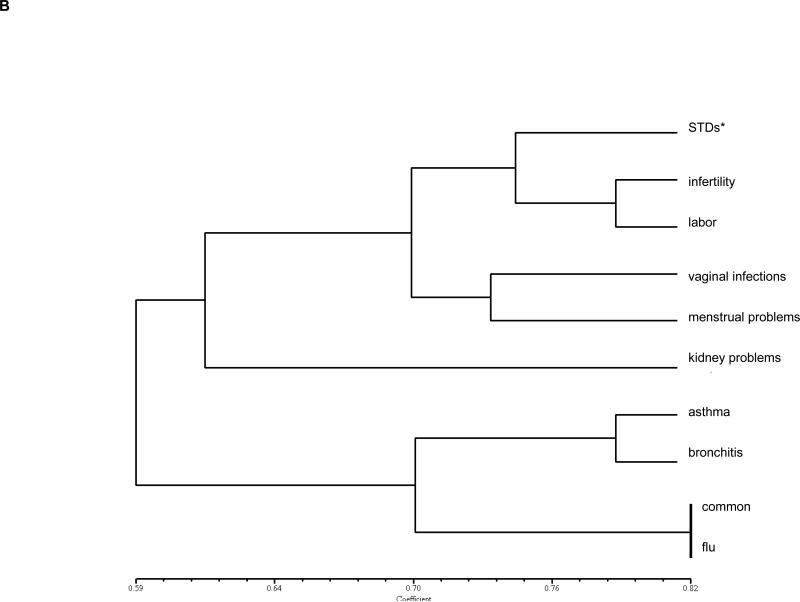
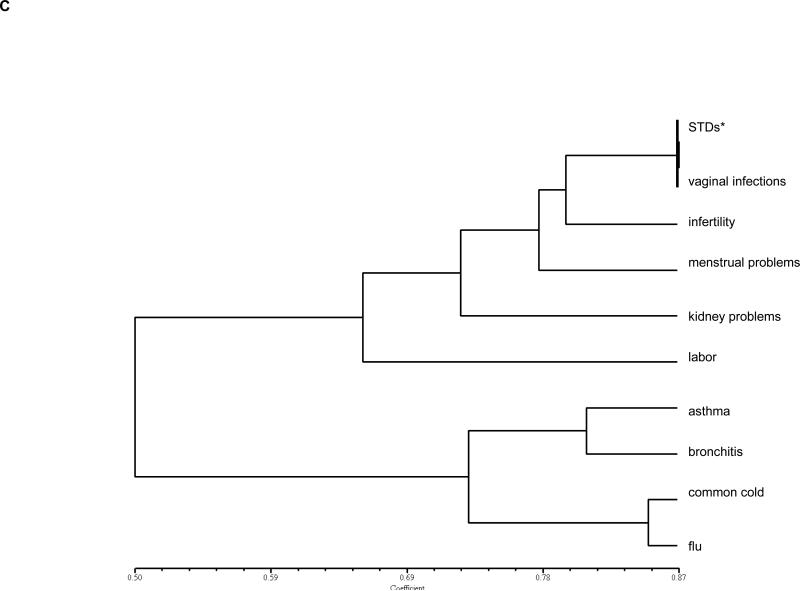
Results: The percentage of mixtures as compared to single plants in plant use reports varied between 32 and 41%, depending on the geographic location (NYC or DR) and participant status (lay person or specialist). Respiratory conditions, reproductive health and genitourinary conditions were the main categories for which Dominicans use plant mixtures. Lay persons reported significantly more mixtures prepared as teas, mainly used in NYC to treat respiratory conditions. Specialists mentioned significantly more botellas (bottled herbal mixtures), used most frequently in the DR to treat reproductive health and genitourinary conditions. Cluster analysis demonstrated that different plant species are used to treat respiratory conditions as compared to reproductive health and genitourinary conditions. Interview participants believed that combining plants in mixtures increases their potency and versatility as medicines.
Conclusions: The present study demonstrates the importance and complexity of plant mixtures in Dominican traditional medicine and the variation in its practices influenced by migration from the DR to NYC, shedding new light on the foundations of a particular ethnomedical system.
Copyright (c) 2009 Elsevier Ireland Ltd. All rights reserved.
Figures
References
-
- Allen R, Cushman LF, Morris S, Feldman J, Wade C, McMahon D, Moses M, Kronenberg F. Use of complementary and alternative medicine among Dominican emergency department patients. American Journal of Emergency Medicine. 2000;18:51–54. - PubMed
-
- Anderson MR, Mckee D, Yukes J, Alvarez A, Karasz A. An investigation of douching practices in the botánicas of the Bronx. Culture, Health & Sexuality. 2008;10:1–11. - PubMed
-
- Avila Suero V. Barreras: Estudio etnográfico de una comunidad rural Dominicana. CENAPEC; Santo Domingo, Dominican Republic: 1988.
-
- Babington LM, Kelley BR, Patsdaughter CA, Soderberg RM, Kelley JE. From recipes to recetas: health beliefs and health care encounters in the rural Dominican Republic. Journal of Cultural Diversity. 1999;6:20–25. - PubMed
-
- Balick MJ, Kronenberg F, Ososki AL, Reiff M, Fugh-Berman A, O'Connor B, Roble M, Lohr P, Atha D. Medicinal plants used by Latino healers for women's health conditions in New York City. Economic Botany. 2000;54:344–357.
Publication types
MeSH terms
Grants and funding
LinkOut - more resources
Full Text Sources
Research Materials
