Intake of selected nutrients from foods, from fortification and from supplements in various European countries
- PMID: 20011225
- PMCID: PMC2791664
- DOI: 10.3402/fnr.v53i0.2038
Intake of selected nutrients from foods, from fortification and from supplements in various European countries
Abstract
Background: Recent European Union regulation requires setting of maximum amount of micronutrients in dietary supplements or foods taking into account the tolerable upper intake level (ULs) established by scientific risk assessment and population reference intakes.
Objective: To collect and evaluate recently available data on intakes of selected vitamins and minerals from conventional foods, food supplements and fortified foods in adults and children. Intake of calcium, copper, iodine, iron, magnesium, phosphorus, selenium, zinc, folic acid, niacin and total vitamin A/retinol, B(6), D and E was derived from nationally representative surveys in Denmark, Germany, Finland, Ireland, Italy, the Netherlands, Poland, Spain and the United Kingdom. Intake of high consumers, defined as the 95th percentile of each nutrient, was compared to the UL.
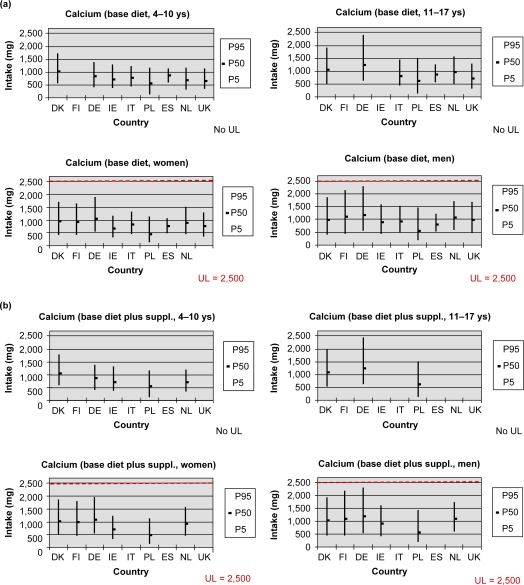
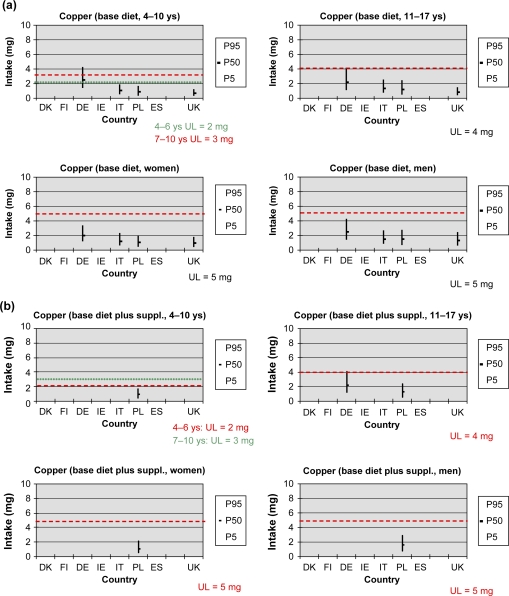
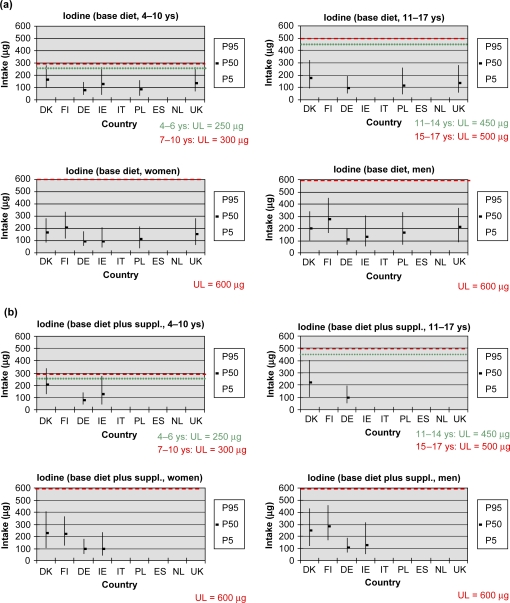
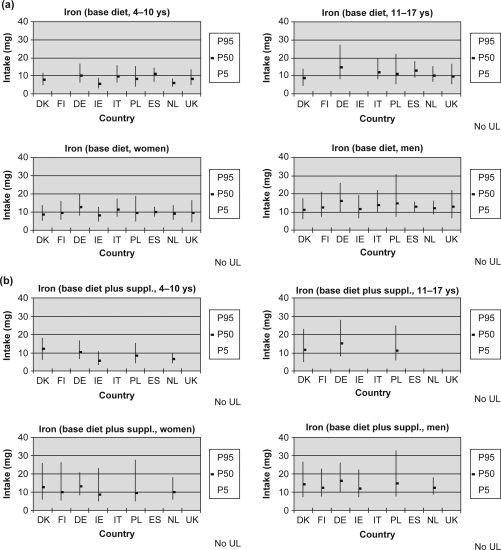
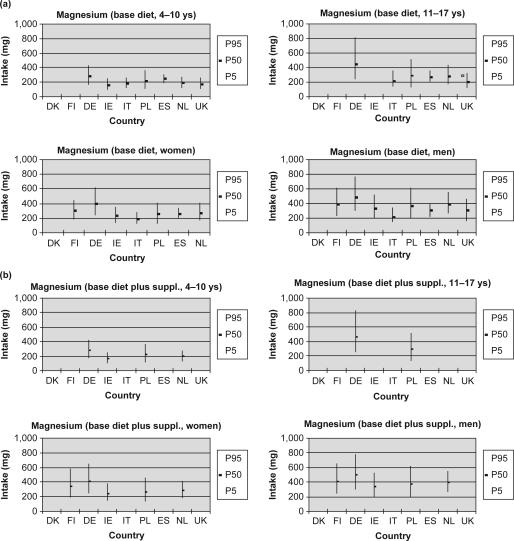
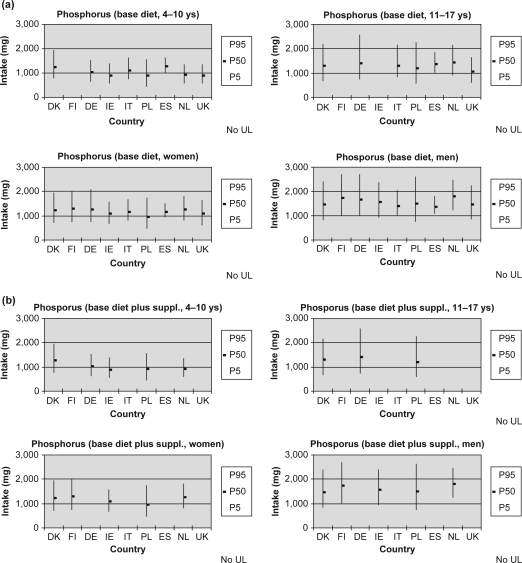
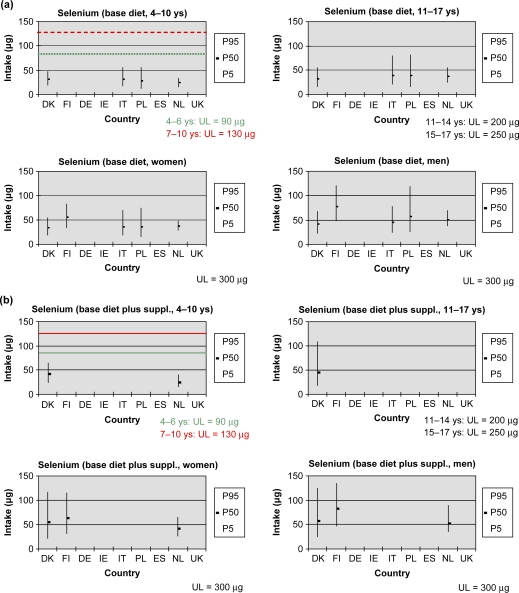
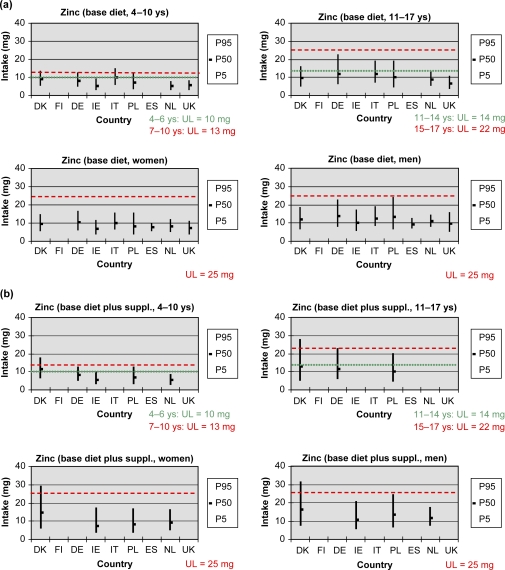
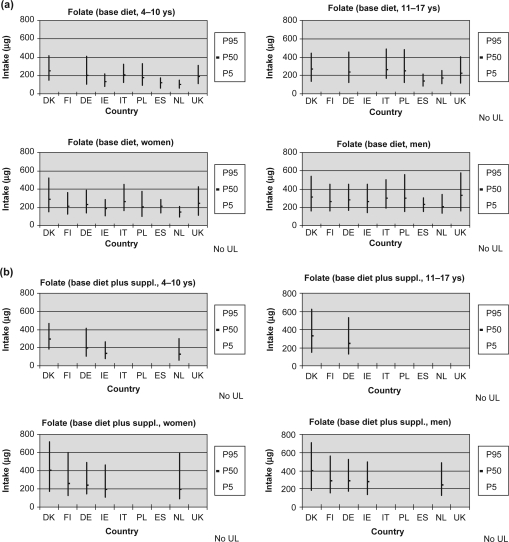
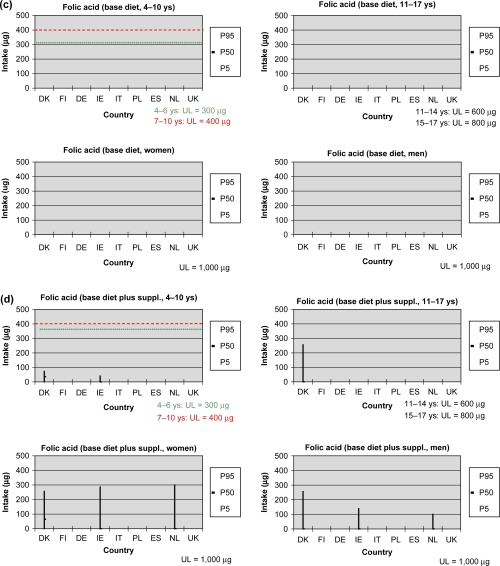
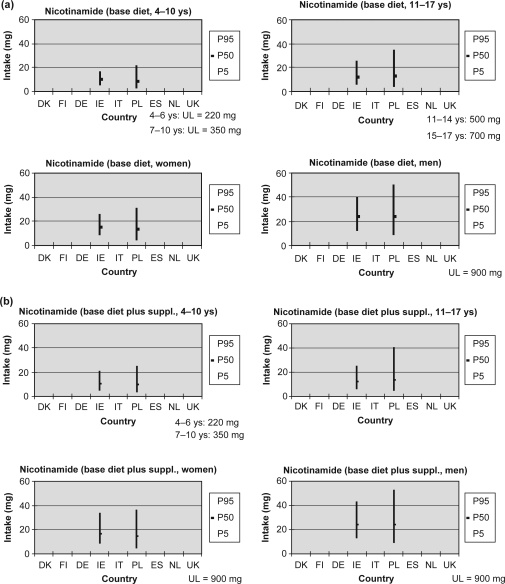
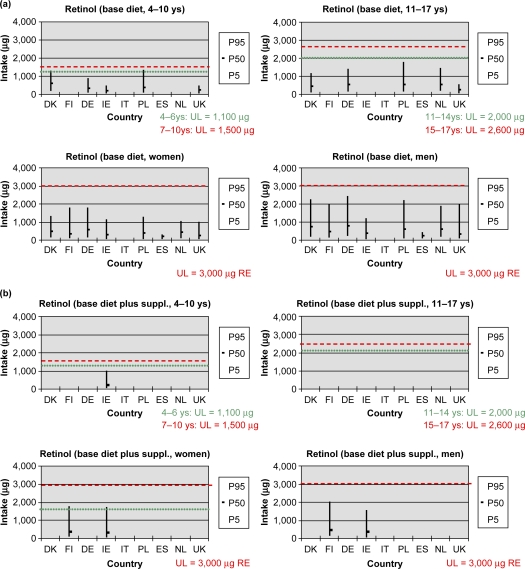
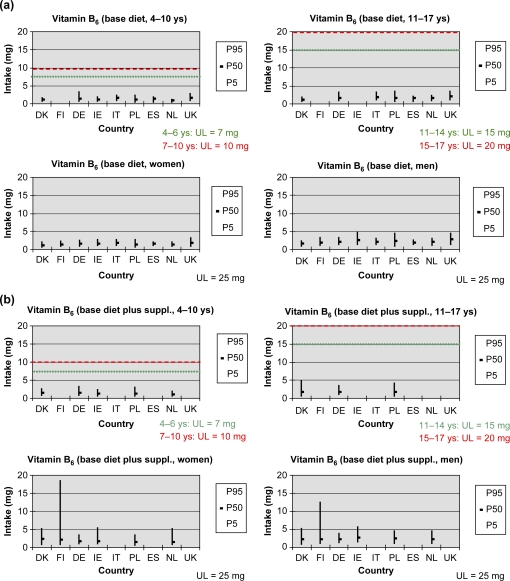
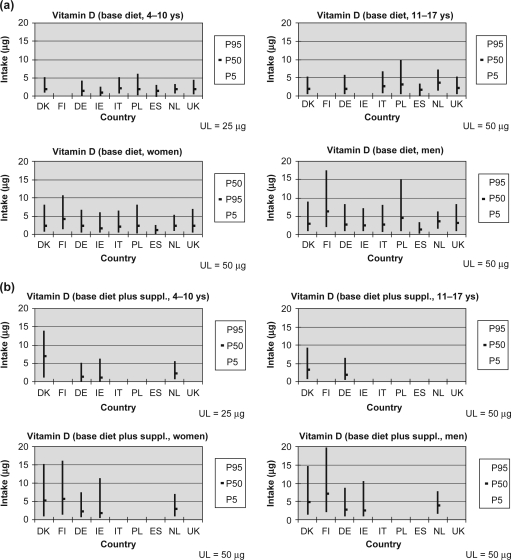
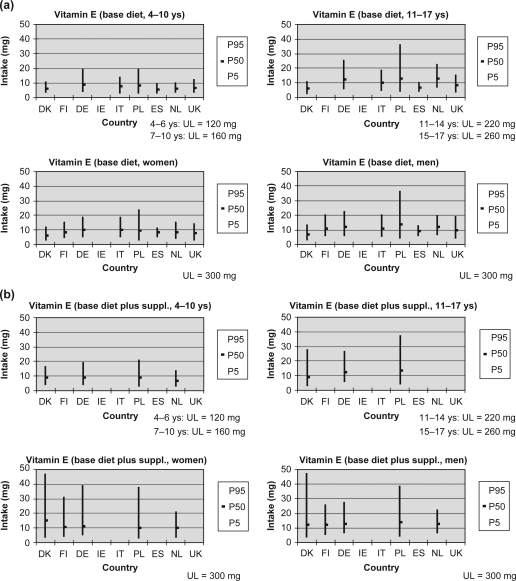
Results: For most nutrients, adults and children generally consume considerably less than the UL with exceptions being retinol, zinc, iodine, copper and magnesium. The major contributor to intakes for all nutrients and in all countries is from foods in the base diet. The patterns of food supplements and voluntary fortification vary widely among countries with food supplements being responsible for the largest differences in total intakes. In the present study, for those countries with data on fortified foods, fortified foods do not significantly contribute to higher intakes for any nutrient. Total nutrient intake expressed as percentage of the UL is generally higher in children than in adults.
Conclusion: The risk of excessive intakes is relatively low for the majority of nutrients with a few exceptions. Children are the most vulnerable group as they are more likely to exhibit high intakes relative to the UL. There is a need to develop improved methods for estimating intakes of micronutrients from fortified foods and food supplements in future dietary surveys.
Keywords: EU legislation; adults; children; micronutrients; upper safe levels.
Figures
References
-
- European Commission Directive 2002/46/EC of the European Parliament and of the Council of 10 June, 2002 on the approximation of the laws of the Member States relating to food supplements. Official Journal of the European Communities L 183, 12/07/2002 P. 0051-0057.
-
- European Commission Regulation (EC) No 1925/2006 of the European Parliament and of the council of 20 December 2006 on the addition of vitamins and minerals and of certain other substances to foods. Official Journal L 404, 30/12/2006 P. 0026 0038. http://eurlex.europa.eu/LexUriServ/site/en/oj/2006/l_404/l_40420061230en... [cited 5 August 2009].
-
- European Food Safety Authority. Parma. Italy: European Food Safety Authority; 2006. Tolerable upper intake levels for vitamins and minerals. http://www.efsa.europa.eu/EFSA/efsa_locale-1178620753812_1178633962601.htm [cited 5 August 2009]
-
- Domke A, Grossklaus R, Nieman B, Przyrembel H, Richter K, Schmidt E, et al. Use of vitamins in foods. Toxicological and nutritional-physiological aspects. 2005. BfR Wissenschaft 04/2005. Federal Institute of Risk Assessment. http://www.bfr.bund.de/cm/238/use_of_vitamins_in_foods.pdf; [cited 5 August 2009].
-
- Domke A, Grossklaus R, Nieman B, Przyrembel H, Richter K, Schmidt E, et al. Use of minerals in foods. Toxicological and nutritional-physiological aspects. 2006. BfR Wissenschaft 01/2006. Federal Institute of Risk Assessment. http://www.bfr.bund.de/cm/238/use_of_minerals_in_foods.pdf; [cited 8 June 2009]
LinkOut - more resources
Full Text Sources