


Efficacy of intracerebral delivery of cisplatin in combination with photon irradiation for treatment of brain tumors
- PMID: 20012464
- PMCID: PMC3375241
- DOI: 10.1007/s11060-009-0074-3
Efficacy of intracerebral delivery of cisplatin in combination with photon irradiation for treatment of brain tumors
Abstract
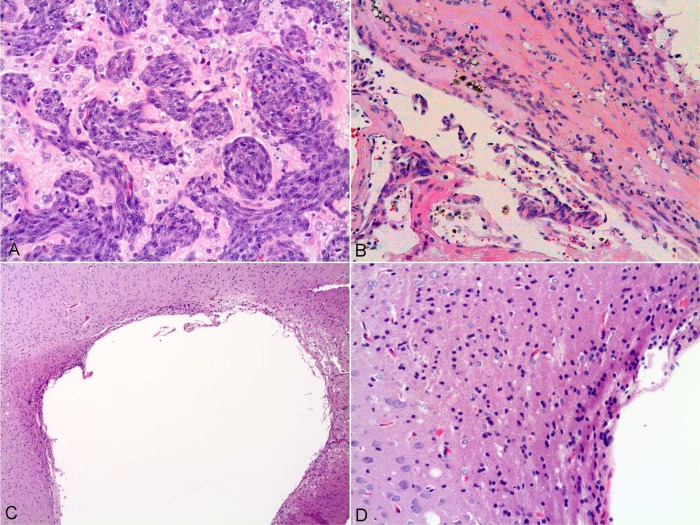
We have evaluated the efficacy of intracerebral (i.c.) convection-enhanced delivery (CED) of cisplatin in combination with photon irradiation for the treatment of F98 glioma-bearing rats. One thousand glioma cells were stereotactically implanted into the brains of Fischer rats and 13 days later cisplatin (6 microg/20 microl) was administered i.c. by CED at a flow rate of 0.5 microl/min. On the following day the animals were irradiated with a single 15 Gy dose of X-rays, administered by a linear accelerator (LINAC) or 78.8 keV synchrotron X-rays at the European Synchrotron Radiation Facility (ESRF). Untreated controls had a mean survival time (MST) + or - standard error of 24 + or - 1 days compared to >59 + or - 13 days for rats that received cisplatin alone with 13% of the latter surviving >200 days. Rats that received cisplatin in combination with either 6 MV (LINAC) or 78.8 keV (synchrotron) X-rays had almost identical MSTs of >75 + or - 18 and >74 + or - 19 days, respectively with 17 and 18% long-term survivors. Microscopic examination of the brains of long-term surviving rats revealed an absence of viable tumor cells and cystic areas at the presumptive site of the tumor. Our data demonstrate that i.c. CED of cisplatin in combination with external X-irradiation significantly enhanced the survival of F98 glioma-bearing rats. This was independent of the X-ray beam energy and probably was not due to the production of Auger electrons as we previously had postulated. Our data provide strong support for the approach of concomitantly administering platinum-based chemotherapy in combination with radiotherapy for the treatment of brain tumors. Since a conventional LINAC can be used as the radiation source, this should significantly broaden the clinical applicability of this approach compared to synchrotron radiotherapy, which could only be carried out at a very small number of specialized facilities.
Conflict of interest statement
Figures


References
-
- Stupp R, Mason WP, van den Bent MJ, Weller M, Fisher B, Taphoorn MJ, Belanger K, Brandes AA, Marosi C, Bogdahn U, Curschmann J, Janzer RC, Ludwin SK, Gorlia T, Allgeier A, Lacombe D, Cairncross JG, Eisenhauer E, Mirimanoff RO. Radiotherapy plus concomitant and adjuvant temozolomide for glioblastoma. N Engl J Med. 2005;352:987–996. - PubMed
-
- Stupp R, Hegi ME, Mason WP, van den Bent MJ, Taphoorn MJ, Janzer RC, Ludwin SK, Allgeier A, Fisher B, Belanger K, Hau P, Brandes AA, Gijtenbeek J, Marosi C, Vecht CJ, Mokhtari K, Wesseling P, Villa S, Eisenhauer E, Gorlia T, Weller M, Lacombe D, Cairncross JG, Mirimanoff RO. Effects of radiotherapy with concomitant and adjuvant temozolomide versus radiotherapy alone on survival in glioblastoma in a randomised phase III study: 5-year analysis of the EORTC-NCIC trial. Lancet Oncol. 2009 - PubMed
-
- Adam JF, Elleaume H, Joubert A, Biston MC, Charvet AM, Balosso J, Le Bas JF, Esteve F. Synchrotron radiation therapy of malignant brain glioma loaded with an iodinated contrast agent: first trial on rats bearing F98 gliomas. Int J Radiat Oncol Biol Phys. 2003;57:1413–1426. - PubMed
-
- Adam JF, Joubert A, Biston MC, Charvet AM, Peoc’h M, Le Bas JF, Balosso J, Esteve F, Elleaume H. Prolonged survival of Fischer rats bearing F98 glioma after iodine-enhanced synchrotron stereotactic radiotherapy. Int J Radiat Oncol Biol Phys. 2006;64:603–611. - PubMed
-
- Barth RF, Coderre JA, Vicente MG, Blue TE. Boron neutron capture therapy of cancer: current status and future prospects. Clin Cancer Res. 2005;11:3987–4002. - PubMed
MeSH terms
Substances
LinkOut - more resources
Full Text Sources
Other Literature Sources
Medical
