


Depurinating estrogen-DNA adducts in the etiology and prevention of breast and other human cancers
- PMID: 20021210
- PMCID: PMC4422115
- DOI: 10.2217/fon.09.137
Depurinating estrogen-DNA adducts in the etiology and prevention of breast and other human cancers
Abstract
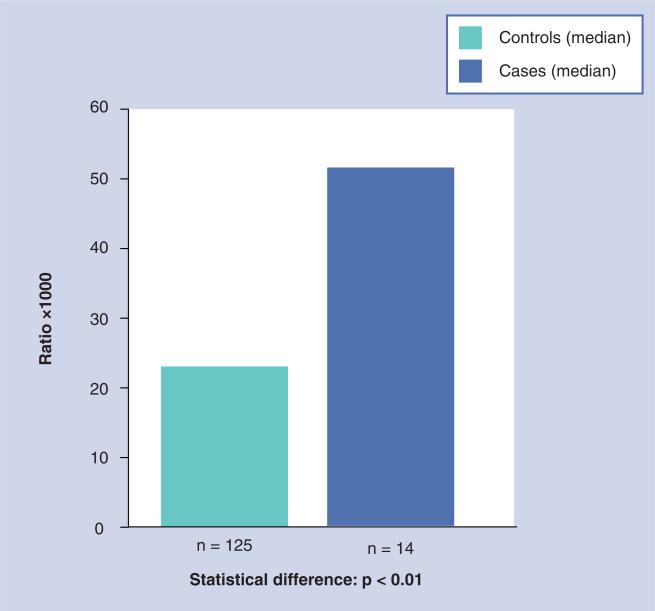
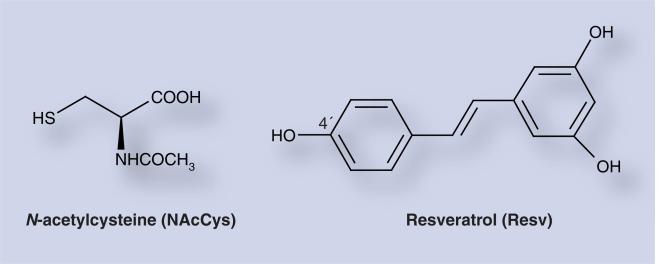
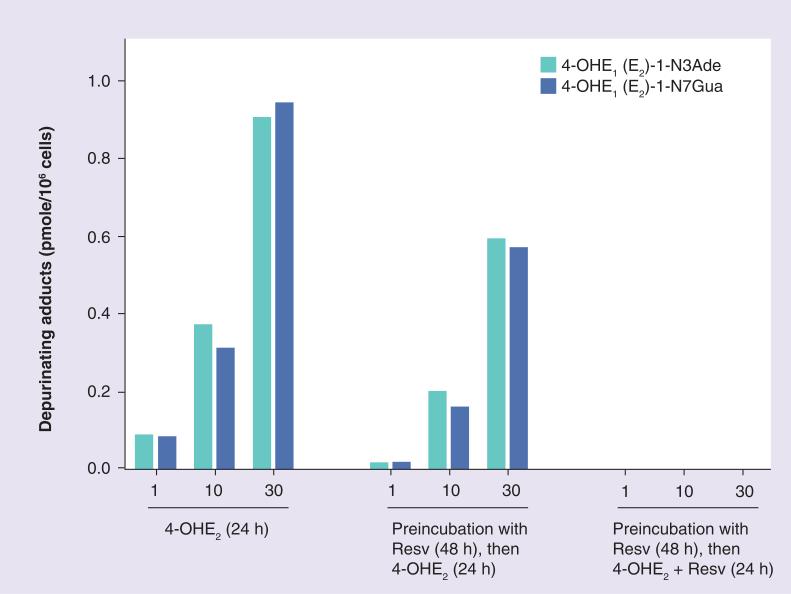
Experiments on estrogen metabolism, formation of DNA adducts, mutagenicity, cell transformation and carcinogenicity have led to and supported the hypothesis that the reaction of specific estrogen metabolites, mostly the electrophilic catechol estrogen-3,4-quinones, with DNA can generate the critical mutations to initiate breast and other human cancers. Analysis of depurinating estrogen-DNA adducts in urine demonstrates that women at high risk of, or with breast cancer, have high levels of the adducts, indicating a critical role for adduct formation in breast cancer initiation. Men with prostate cancer or non-Hodgkin lymphoma also have high levels of estrogen-DNA adducts. This knowledge of the first step in cancer initiation suggests the use of specific antioxidants that can block formation of the adducts by chemical and biochemical mechanisms. Two antioxidants, N-acetylcysteine and resveratrol, are prime candidates to prevent breast and other human cancers because in various M in vitro and in vivo experiments, they reduce the formation of estrogen-DNA adducts.
Figures


References
-
- Doll R, Peto R. The causes of cancer: quantitative estimates of avoidable risks of cancer in the United States today. J. Natl Cancer Inst. 1981;66:1191–1308. - PubMed
-
- IARC Monographs on the evaluation of the carcinogenic risk of chemicals to humans. IARC. 1982;29:93–148. - PubMed
-
- Mehlman MA. Casual relationship between non-Hodgkin's lymphoma and exposure to benzene and benzene-containing solvents. Ann. NY Acad. Sci. 2006;1076:120–128. - PubMed
-
- Cavalieri E, Rogan E. Catechol quinones of estrogens in the initiation of breast, prostate, and other human cancers: keynote lecture. Ann. NY Acad. Sci. 2006;1089:286–301. - PubMed
-
- Li JJ, Li SA, Klicka JK, Parsons JA, Lam LK. Relative carcinogenic activity of various synthetic and natural estrogens in the Syrian hamster kidney. Cancer Res. 1983;43:5200–5204. - PubMed
Publication types
MeSH terms
Substances
Grants and funding
LinkOut - more resources
Full Text Sources
Medical
