


Early life stress sensitizes rats to angiotensin II-induced hypertension and vascular inflammation in adult life
- PMID: 20026758
- PMCID: PMC2829259
- DOI: 10.1161/HYPERTENSIONAHA.109.145391
Early life stress sensitizes rats to angiotensin II-induced hypertension and vascular inflammation in adult life
Abstract
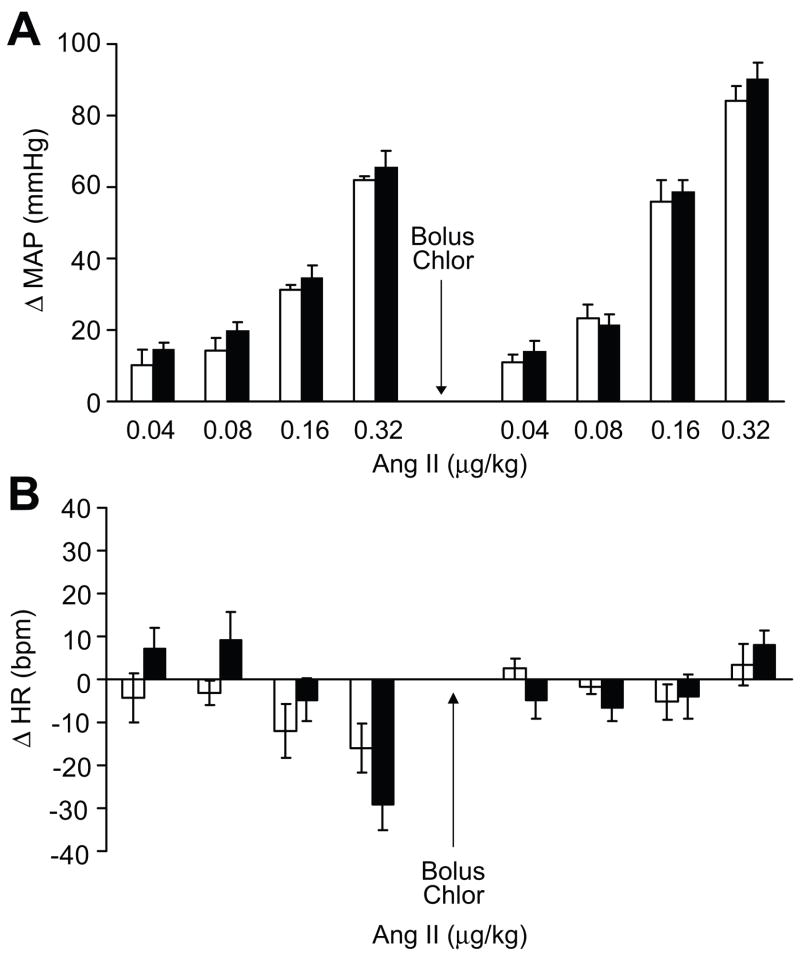
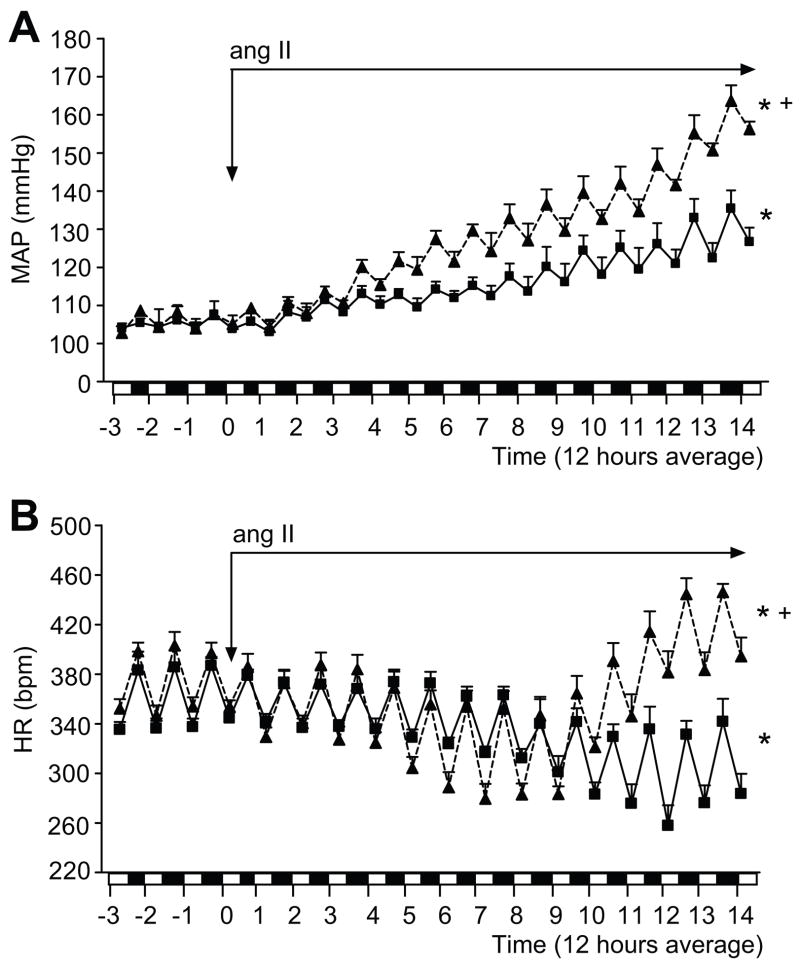
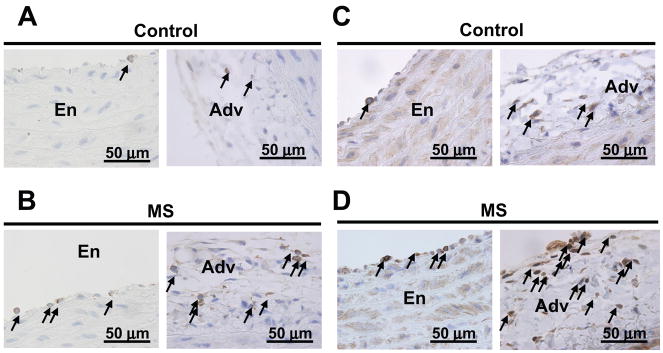
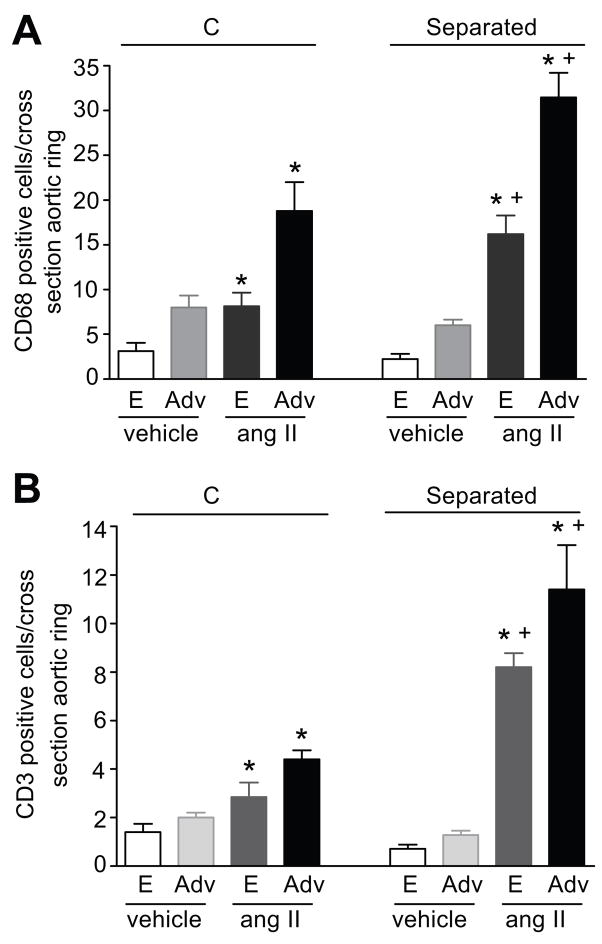
Maternal separation during early life is an established chronic behavioral model of early life stress in rats. It is known that perinatal adverse environments increase activity of the renin-angiotensin (Ang) system, specifically Ang II, in adulthood. The aim of this study was to investigate whether the effects of early life stress augment the sensitivity of the Ang II pathway. Using Wistar Kyoto rats, the maternal separation (MS) protocol was performed by separating approximately half of the male pups from their mother 3 h/d from days 2 to 14 of life. Pups remaining with the mother at all times were used as controls. Maternal separation did not influence the plasma basal parameters, such as blood glucose, insulin, Ang II, Ang 1-7 and plasma renin activity. Furthermore, body weight, blood pressure, and heart rate were similar in MS and control rats. The acute pressor response to Ang II was not different in anesthetized MS and control rats. However, the chronic infusion of Ang II (65 ng/min SC) elicited an exaggerated hypertensive response in MS compared with control rats (P<0.05). Surprisingly, HR was dramatically increased during the second week of Ang II infusion in MS compared with control rats (P<0.05). This enhanced Ang II sensitivity was accompanied by a greater vascular inflammatory response in MS versus control rats. Chronic Ang II infusion increased vascular wall structure in both groups similarly. These data indicate that early life stress sensitizes rats to an increased hemodynamic and inflammatory response during Ang II-induced hypertension.
Figures
References
-
- Alexander BT. Fetal programming of hypertension. Am J Physiol Regul Integr Comp Physiol. 2006;290:R1–R10. - PubMed
-
- McMillen IC, Robinson JS. Developmental origins of the metabolic syndrome: prediction, plasticity, and programming. Physiol Rev. 2005;85:571–633. - PubMed
-
- Zandi-Nejad K, Luyckx VA, Brenner BM. Adult hypertension and kidney disease: the role of fetal programming. Hypertension. 2006;47:502–508. - PubMed
-
- Dong M, Giles WH, Felitti VJ, Dube SR, Williams JE, Chapman DP, Anda RF. Insights into causal pathways for ischemic heart disease: adverse childhood experiences study. Circulation. 2004;110:1761–1766. - PubMed
-
- Kelishadi R, Mirghaffari N, Poursafa P, Gidding SS. Lifestyle and environmental factors associated with inflammation, oxidative stress and insulin resistance in children. Atherosclerosis. 2009;203:311–319. - PubMed
Publication types
MeSH terms
Substances
Grants and funding
LinkOut - more resources
Full Text Sources
Medical
Miscellaneous
