


Decreased GABAA receptors functional regulation in the cerebral cortex and brainstem of hypoxic neonatal rats: effect of glucose and oxygen supplementation
- PMID: 20033840
- PMCID: PMC11498792
- DOI: 10.1007/s10571-009-9485-0
Decreased GABAA receptors functional regulation in the cerebral cortex and brainstem of hypoxic neonatal rats: effect of glucose and oxygen supplementation
Abstract
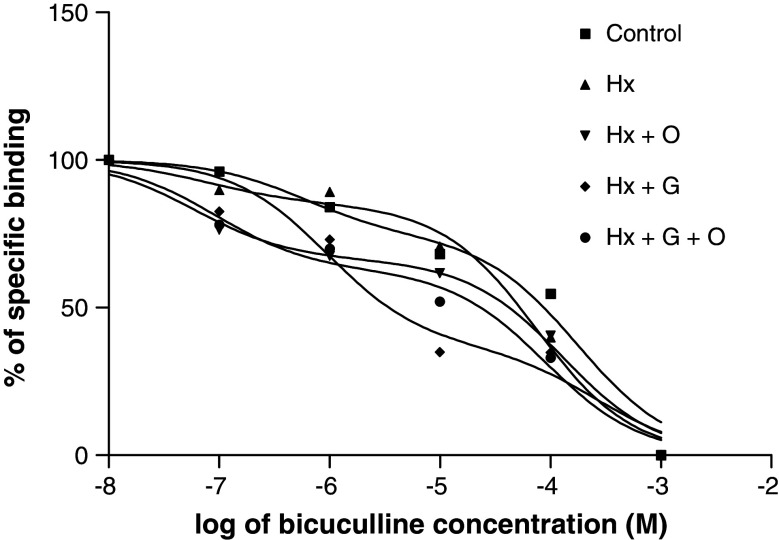
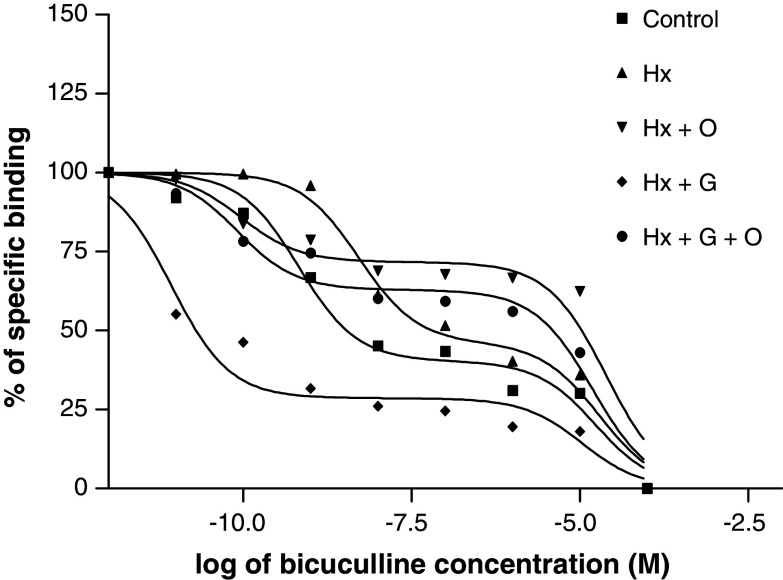
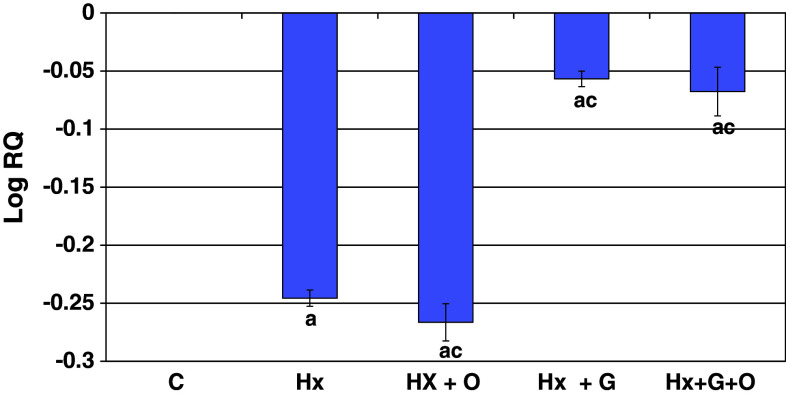
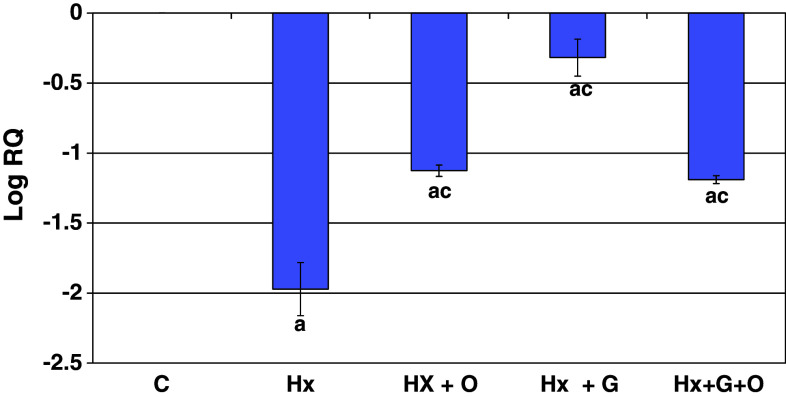
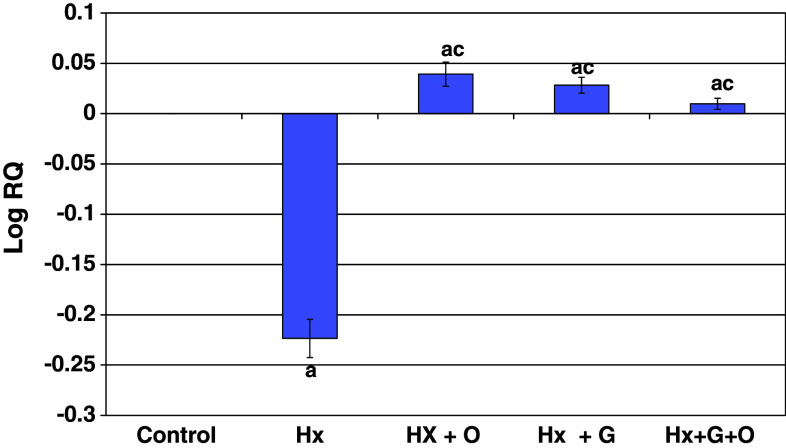
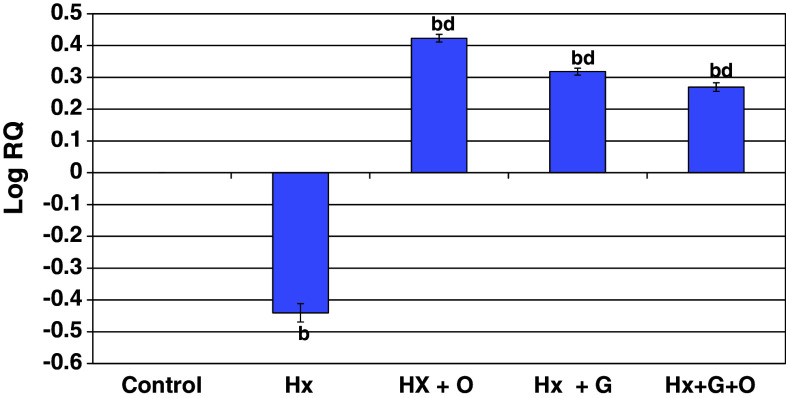
Hypoxia in neonates can lead to biochemical and molecular alterations mediated through changes in neurotransmitters resulting in permanent damage to brain. In this study, we evaluated the changes in the receptor status of GABA(A) in the cerebral cortex and brainstem of hypoxic neonatal rats and hypoxic rats supplemented with glucose and oxygen using binding assays and gene expression of GABA(Aalpha1) and GABA(Agamma5). In the cerebral cortex and brainstem of hypoxic neonatal rats, a significant decrease in GABA(A) receptors was observed, which accounts for the respiratory inhibition. Hypoxic rats supplemented with glucose alone and with glucose and oxygen showed a reversal of the GABA(A) receptors, andGABA(Aalpha1) and GABA(Agamma5) gene expression to control. Glucose acts as an immediate energy source thereby reducing the ATP-depletion-induced increase in GABA and oxygenation, which helps in encountering anoxia. Resuscitation with oxygen alone was less effective in reversing the receptor alterations. Thus, the results of this study suggest that reduction in the GABA(A) receptors functional regulation during hypoxia plays an important role in mediating the brain damage. Glucose alone and glucose and oxygen supplementation to hypoxic neonatal rats helps in protecting the brain from severe hypoxic damage.
Figures
References
-
- Anju TR, Athira B, Paulose CS (2009) Superoxide dismutase functional regulation in neonatal hypoxia: effect of glucose, oxygen and epinephrine. Indian J Biochem Biophys 46:166–171 - PubMed
-
- Bailey SJ, Ravier MA, Rutter GA (2007) Glucose-dependent regulation of gamma aminobutyric acid (GABAA) receptor expression in mouse pancreatic islet-cells. Diabetes 56:320–327 - PubMed
-
- Bandyopadhyay U, Das D, Ranajit K, Banerjee V (1999) Reactive oxygen species: oxidative damage and pathogenesis. Curr Sci 77:658–666
-
- Cheng Y, Prusoff WH (1973) Relationship between the inhibition constant and the concentration of an inhibitor that causes a 50% inhibition of an enzymatic reaction. Biochem Pharmacol 22:3099–3108 - PubMed
Publication types
MeSH terms
Substances
LinkOut - more resources
Full Text Sources
