


The experiences of health care workers employed in an Australian intensive care unit during the H1N1 Influenza pandemic of 2009: a phenomenological study
- PMID: 20036360
- PMCID: PMC7125717
- DOI: 10.1016/j.ijnurstu.2009.11.015
The experiences of health care workers employed in an Australian intensive care unit during the H1N1 Influenza pandemic of 2009: a phenomenological study
Abstract
Background: The H1N1 Influenza A pandemic arrived in Australia in early May 2009. In Queensland, the highest number of H1N1 cases were admitted to the intensive care unit when compared with the other Australian states. While many recent studies examining the H1N1 pandemic have focussed on service delivery and disease epidemiology, few have explored the lived experiences of frontline health care workers caring for the patients in the intensive care unit.
Objectives: The purposes of this study were to: document and describe the lived experiences of the nursing and medical staff caring for patients in the intensive care unit during the H1N1 pandemic; to validate the staffs' experiences; and to assist in informing future pandemic planning by highlighting the collective experiences of these frontline health care workers.
Design: A phenomenological study method was used.
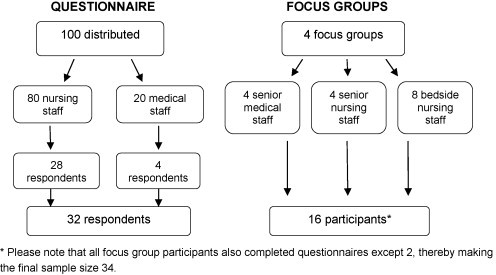
Setting and participants: 34 staff from a tertiary referral hospital in Brisbane, Australia participated in the study.
Methods: Data was collected using an open ended questionnaire and focus groups. The resulting responses were analysed using Colaizzi's framework to discover regular patterns of meaning that emerged.
Results: Eight common themes emerged: the wearing of personal protective equipment; infection control procedures; the fear of contracting and transmitting the disease; adequate staffing levels within the intensive care unit; new roles for staff; morale levels; education regarding extracorporeal membrane oxygenation; and the challenges of patient care. These eight themes articulate the lived experience of the staff during the height of the H1N1 Influenza pandemic period.
Conclusions: Planning for a pandemic situation is invariably difficult due to the unpredictable nature of the event itself. Recommendations for future pandemic planning which can be drawn from this study include the appointment of a dedicated infection control representative to provide information and support regarding infection control matters; the maintenance of effective communication channels is crucial; and the increased staffing requirements across nursing, medical, allied health and ancillary staff to cope with the higher patient numbers and acuity must be anticipated and planned for.
Copyright 2009 Elsevier Ltd. All rights reserved.
References
-
- Burns N., Grove S. Elsevier Saunders; St. Louis: 2005. The Practice of Nursing Research: Conduct, Critique, and Utilization.
-
- Gomersall C.D., Tai D.Y., Loo S., Derrick J.L., Goh M.S., Buckley T.A., Chua C., Ho K.M., Raghavan G.P., Ho O.M., Lee L.B., Joynt G.M. Expanding ICU facilities in an epidemic: recommendations based on experience from the SARS epidemic in Hong Kong and Singapore. Intensive Care Med. 2006;32(7):1004–1013. - PubMed
-
- Mitchell A., Cummins T., Spearing N., Adams J., Gilroy L. Nurses’ experience with vancomycin-resistant enterococci (VRE) J. Clin. Nurs. 2002;11(1):126–133. - PubMed
MeSH terms
LinkOut - more resources
Full Text Sources
Medical
