


CTLA-4 suppresses the pathogenicity of self antigen-specific T cells by cell-intrinsic and cell-extrinsic mechanisms
- PMID: 20037585
- PMCID: PMC3235641
- DOI: 10.1038/ni.1835
CTLA-4 suppresses the pathogenicity of self antigen-specific T cells by cell-intrinsic and cell-extrinsic mechanisms
Abstract
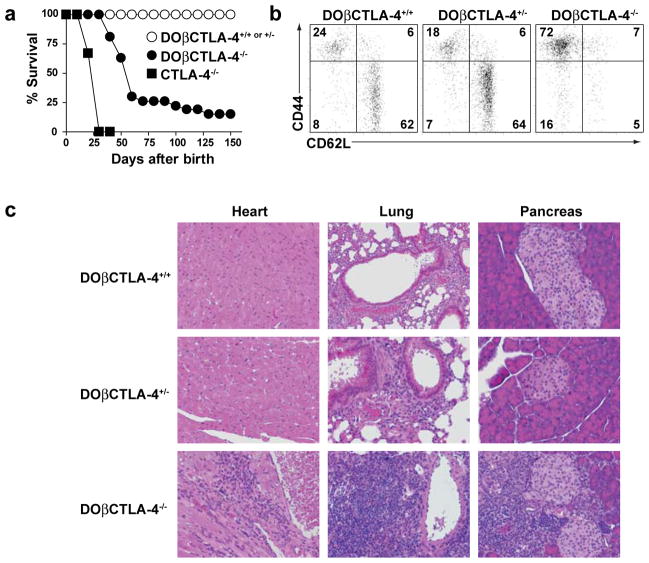
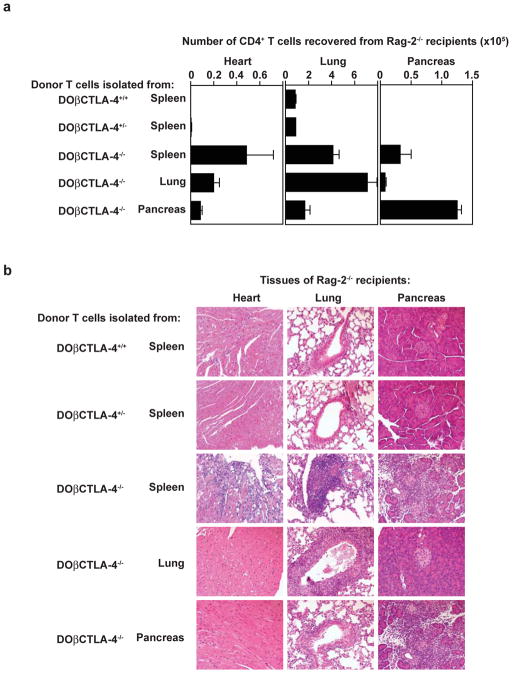
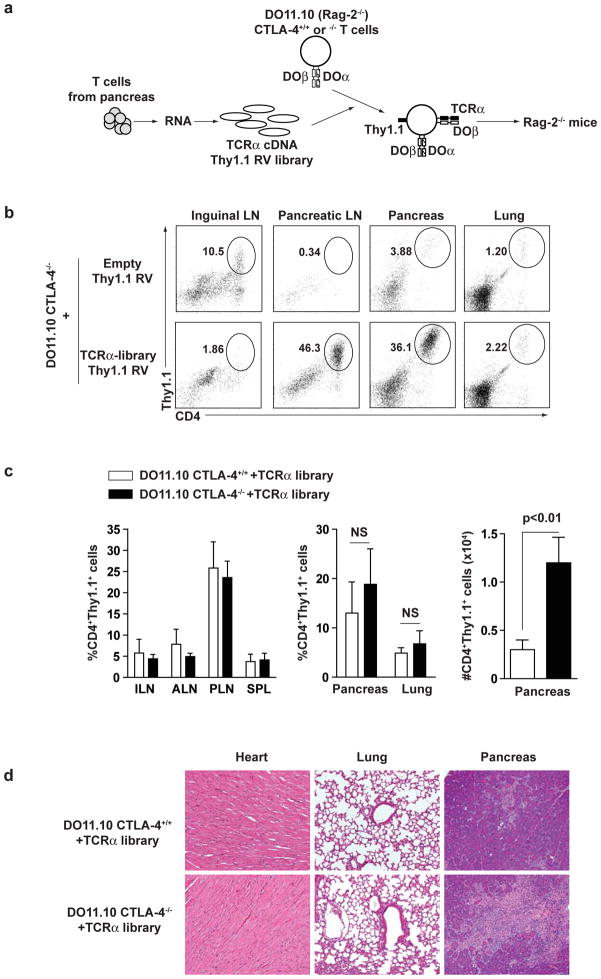
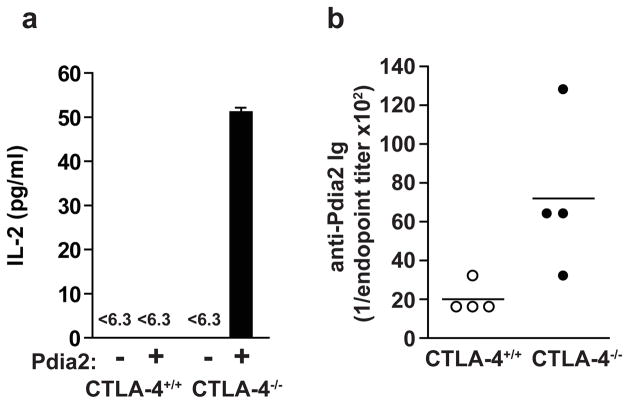
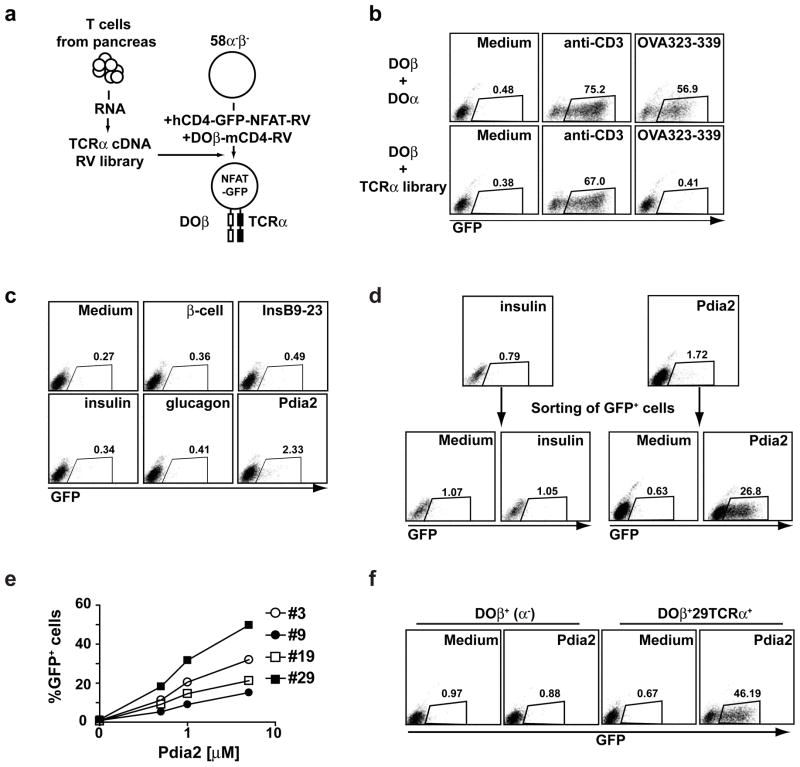
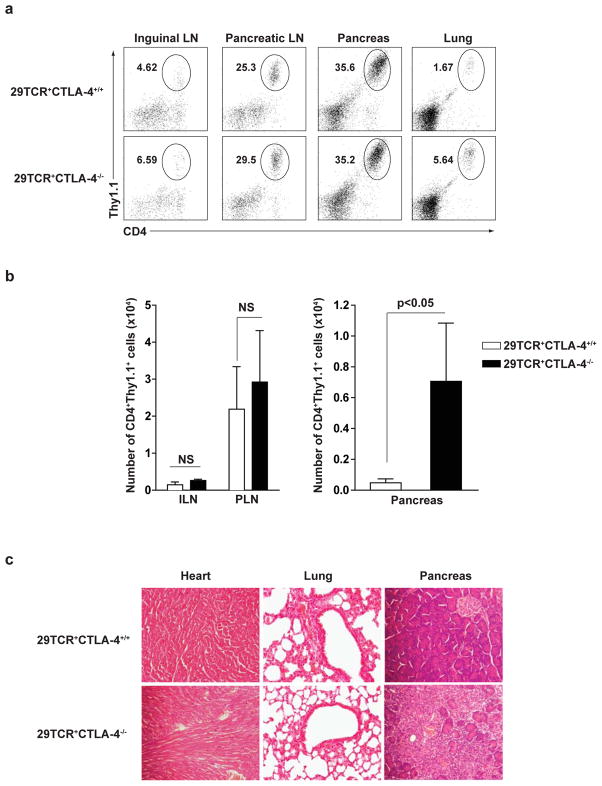
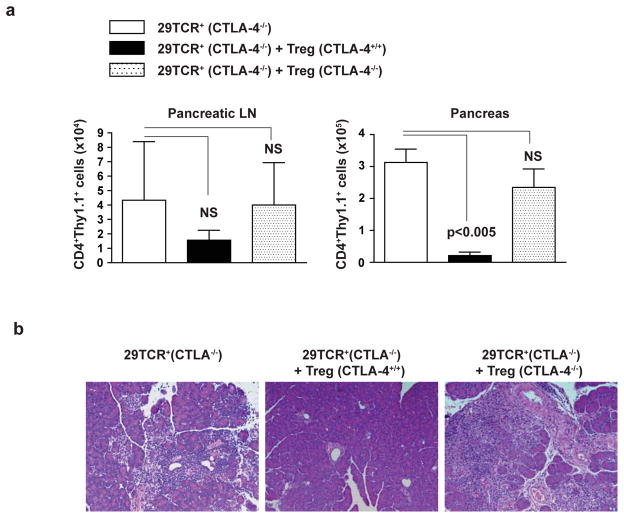
The inhibitory immunoregulatory receptor CTLA-4 is critical in maintaining self-tolerance, but the mechanisms of its actions have remained controversial. Here we examined the antigen specificity of tissue-infiltrating CD4(+) T cells in Ctla4(-/-) mice. After adoptive transfer, T cells isolated from tissues of Ctla4(-/-) mice showed T cell antigen receptor (TCR)-dependent accumulation in the tissues from which they were derived, which suggested reactivity to tissue-specific antigens. We identified the pancreas-specific enzyme PDIA2 as an autoantigen in Ctla4(-/-) mice. CTLA-4 expressed either on PDIA2-specific effector cells or on regulatory T cells was sufficient to control tissue destruction mediated by PDIA2-specific T cells. Our results demonstrate that both cell-intrinsic and non-cell-autonomous actions of CTLA-4 operate to maintain T cell tolerance to a self antigen.
Figures
References
-
- Alegre ML, Frauwirth KA, Thompson CB. T-cell regulation by CD28 and CTLA-4. Nat Rev Immunol. 2001;1:220–228. - PubMed
-
- Salomon B, Bluestone JA. Complexities of CD28/B7: CTLA-4 costimulatory pathways in autoimmunity and transplantation. Annu Rev Immunol. 2001;19:225–252. - PubMed
-
- Tivol EA, et al. Loss of CTLA-4 leads to massive lymphoproliferation and fatal multiorgan tissue destruction, revealing a critical negative regulatory role of CTLA-4. Immunity. 1995;3:541–547. - PubMed
-
- Waterhouse P, et al. Lymphoproliferative disorders with early lethality in mice deficient in Ctla-4. Science. 1995;270:985–988. - PubMed
Publication types
MeSH terms
Substances
Grants and funding
LinkOut - more resources
Full Text Sources
Other Literature Sources
Molecular Biology Databases
Research Materials
