Accept or refuse? A pilot study of patients' perspective on participating as imaginary research subjects in schizophrenia
- PMID: 20046377
- PMCID: PMC2796042
- DOI: 10.4306/pi.2009.6.2.66
Accept or refuse? A pilot study of patients' perspective on participating as imaginary research subjects in schizophrenia
Abstract
Objective: The goal of the present study was to evaluate demographic and clinical factors that affect the intention to participate in commonly-conducted research in patients with schizophrenia.
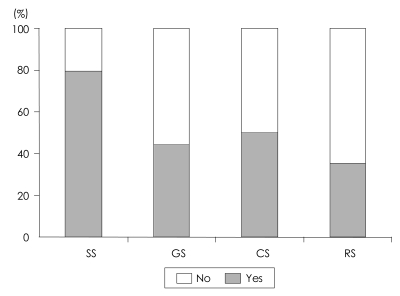
Methods: Thirty-four outpatients with a diagnosis of schizophrenia were enrolled in this study. They were asked whether they would have any intention to participate in four imaginary studies: a simple questionnaire, a genetic study, a study of complex tasks and a risky study. We analyzed the differences in general psychopathology, insight and demographic characteristics of the participants according to their responses (acceptance or refusal) to the four proposed studies.
Results: Younger and better-educated patients tended to decline participation in a risky study. Patients with a longer duration of regular psychiatric follow-ups tended to willingly participate in the simple questionnaire. There were no overall statistical differences in general psychopathology and insight between patients who agreed or declined to participate in studies.
Conclusion: Age and education level may be factors that influence decisions to participate in schizophrenia studies. Further research is needed to confirm and expand on the current findings.
Keywords: Clinical research; Demography; Informed consent; Patient participation; Schizophrenia.
Figures
References
-
- Dunn LB, Jeste DV. Enhancing informed consent for research and treatment. Neuropsychopharmacology. 2001;24:595–607. - PubMed
-
- Gogos JA. Schizophrenia susceptibility genes: in search of a molecular logic and novel drug targets for a devastating disorder. Int Rev Neurobiol. 2007;78:397–422. - PubMed
-
- Burdick KE, Goldberg JF, Harrow M, Faull RN, Malhotra AK. Neurocognition as a stable endophenotype in bipolar disorder and schizophrenia. J Nerv Ment Dis. 2006;194:255–260. - PubMed
LinkOut - more resources
Full Text Sources