


Mechanism and inhibition of the FabV enoyl-ACP reductase from Burkholderia mallei
- PMID: 20055482
- PMCID: PMC2892189
- DOI: 10.1021/bi902001a
Mechanism and inhibition of the FabV enoyl-ACP reductase from Burkholderia mallei
Abstract
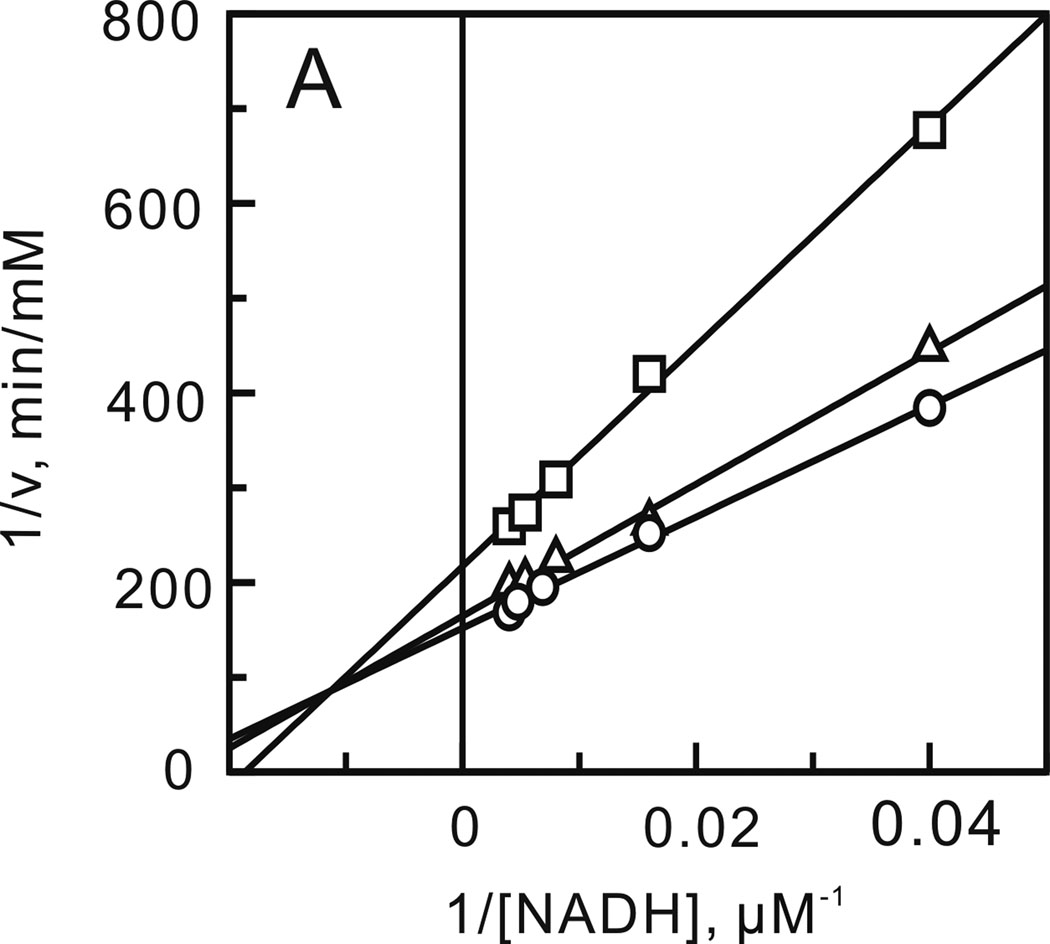
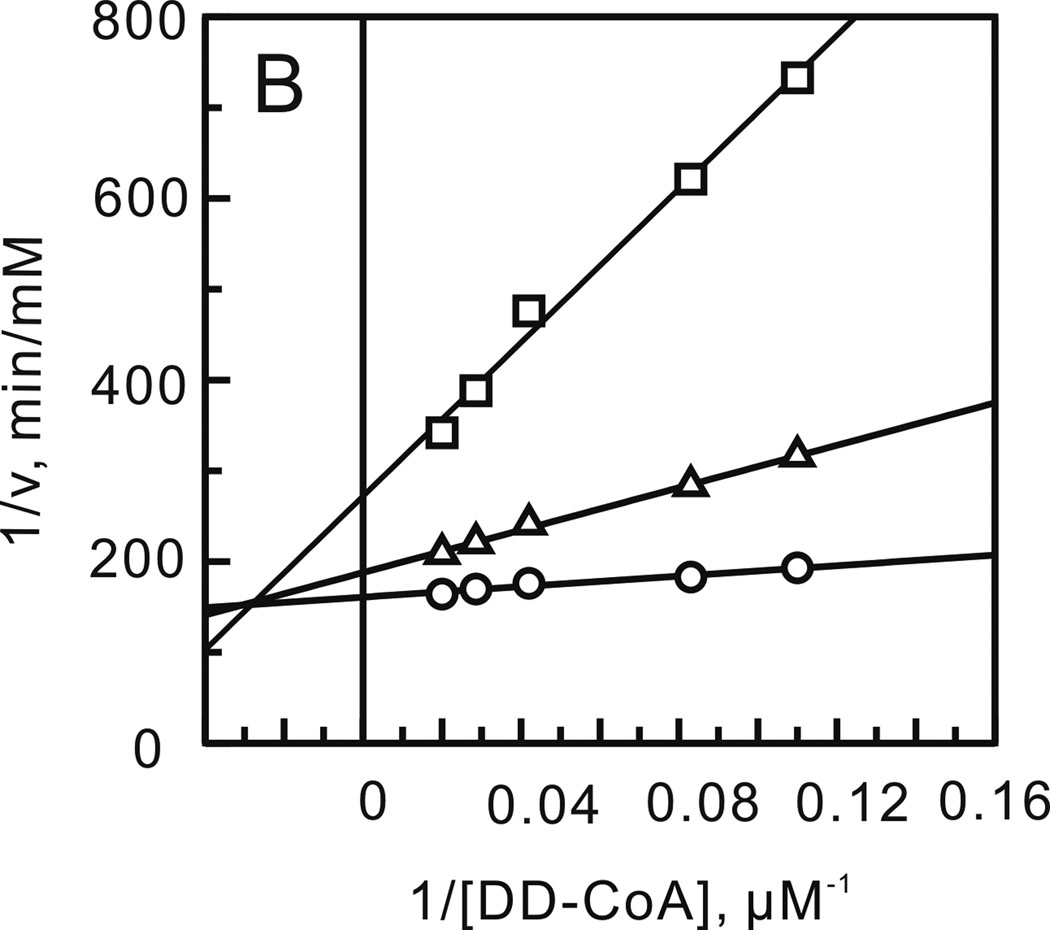
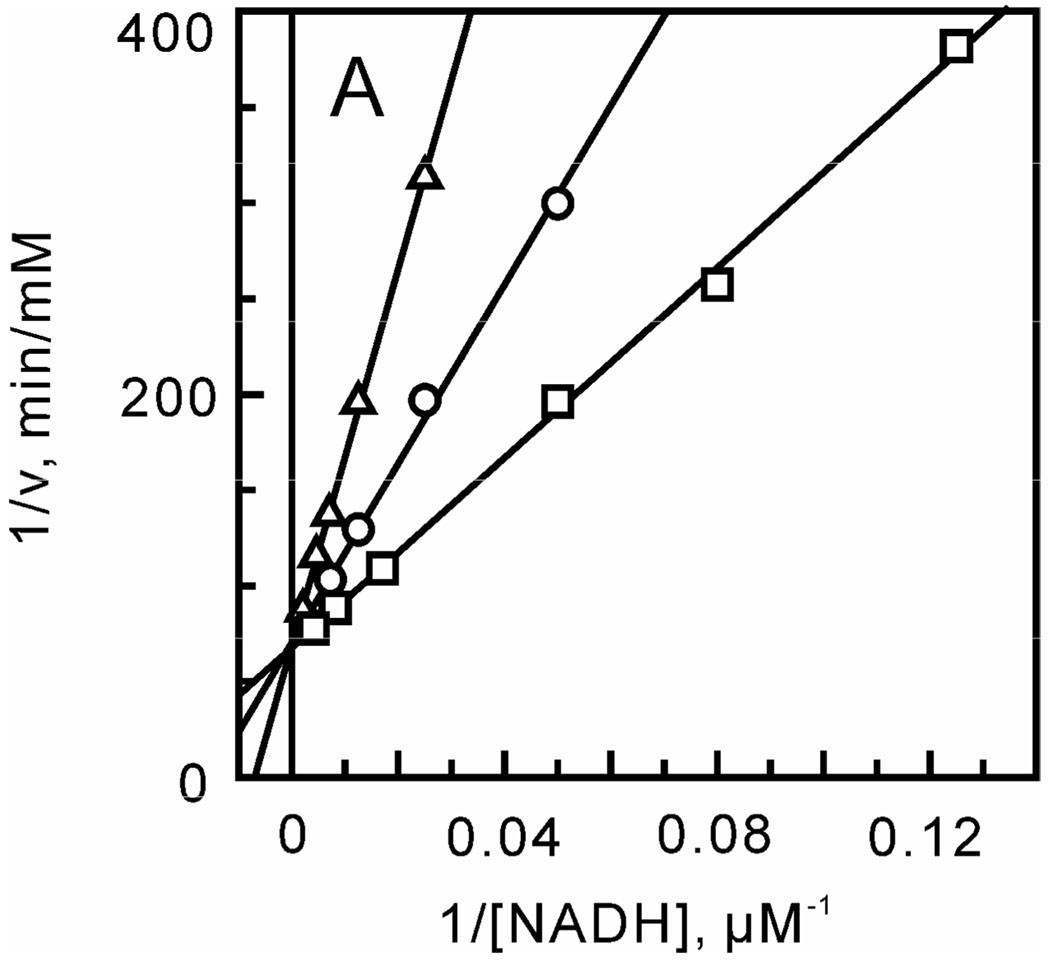
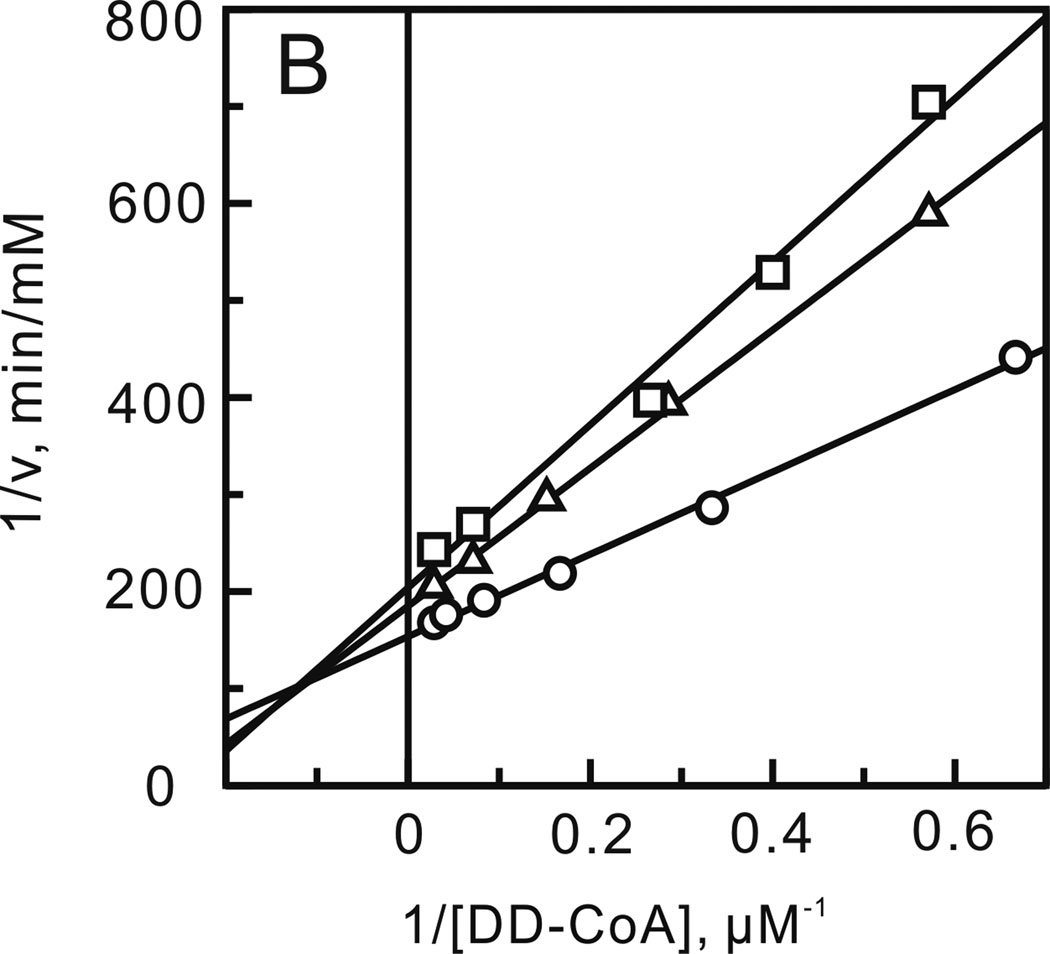
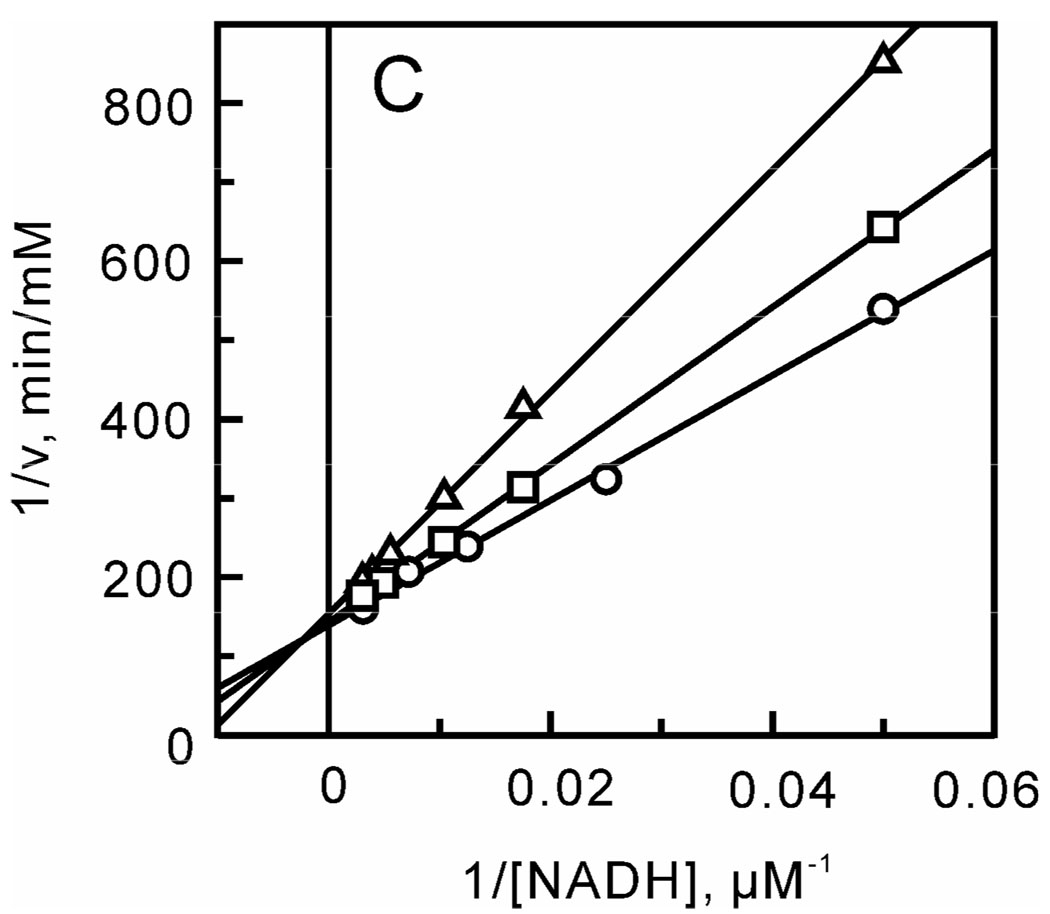
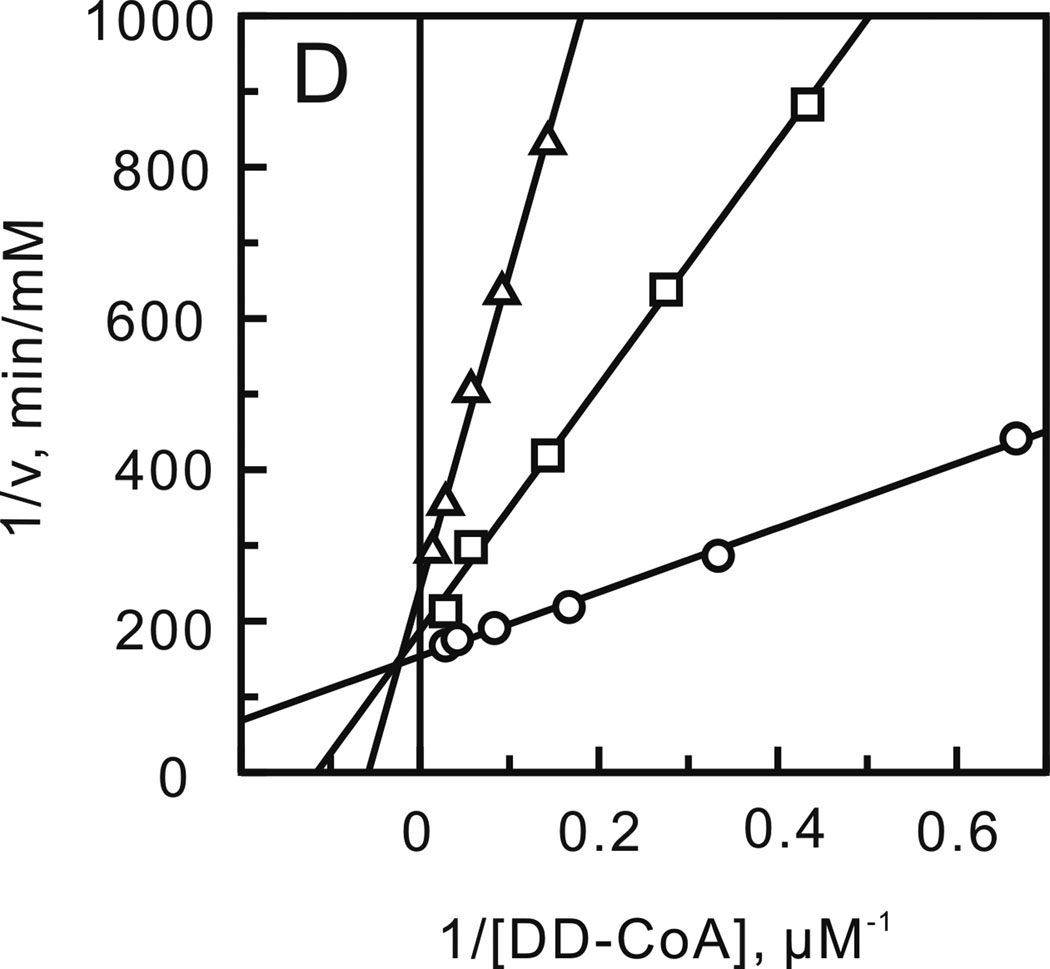
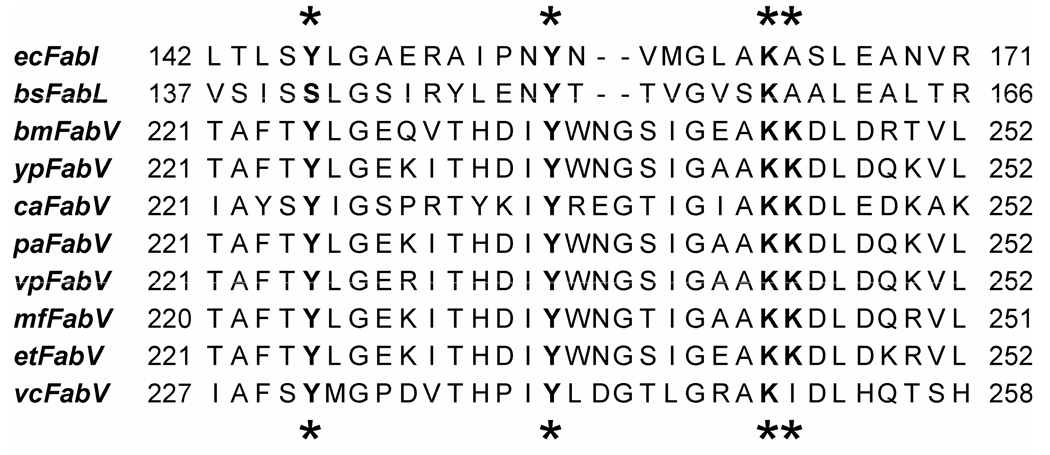
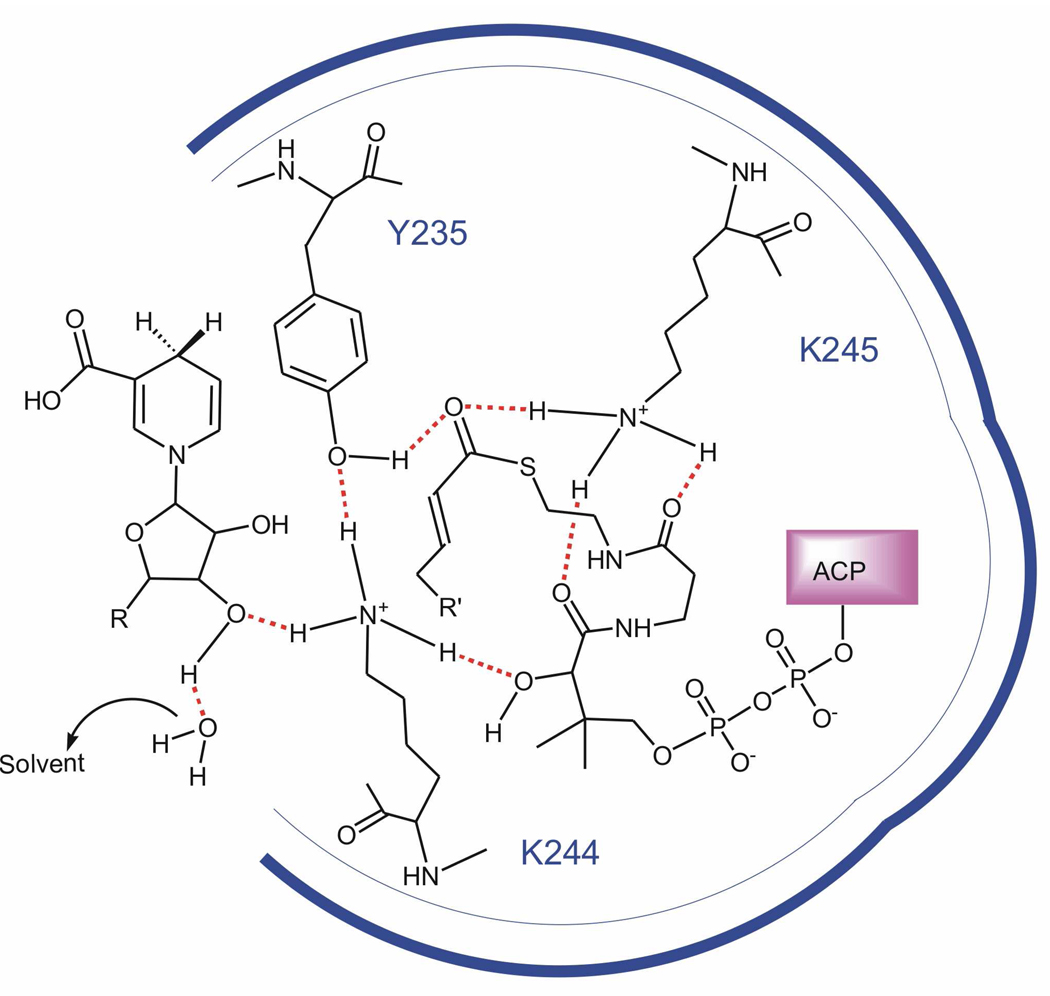
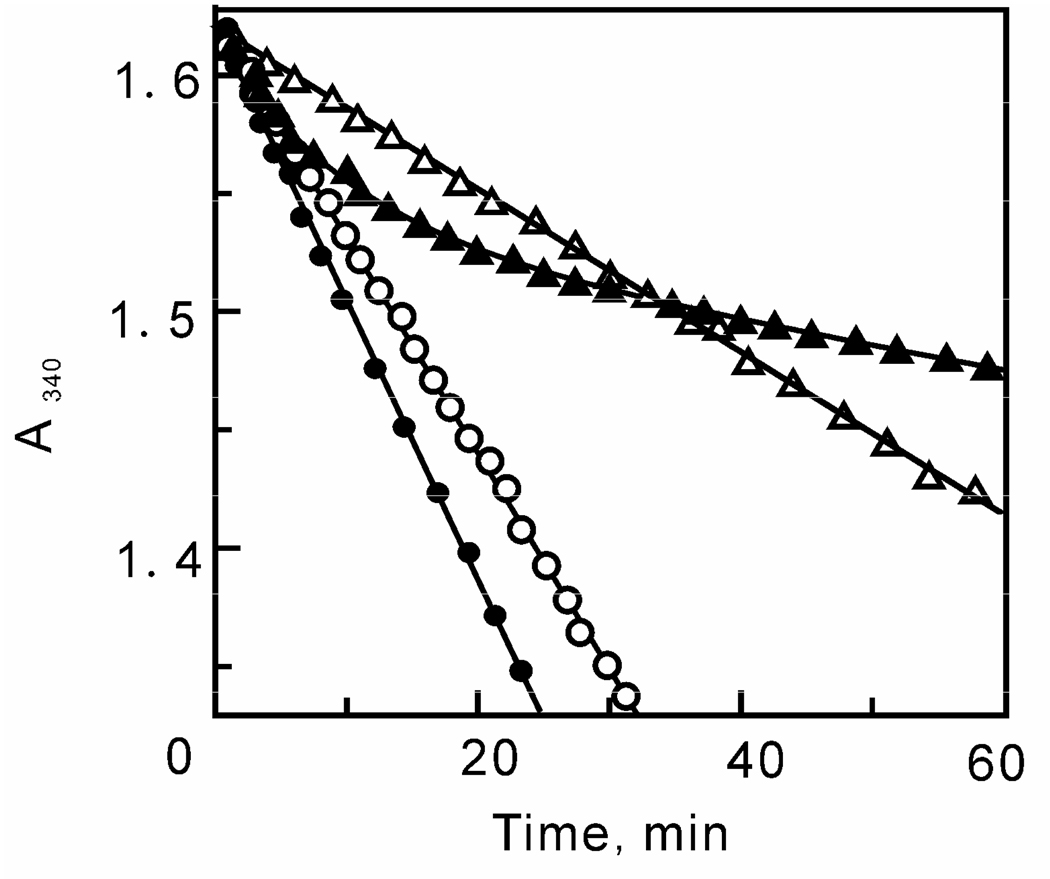
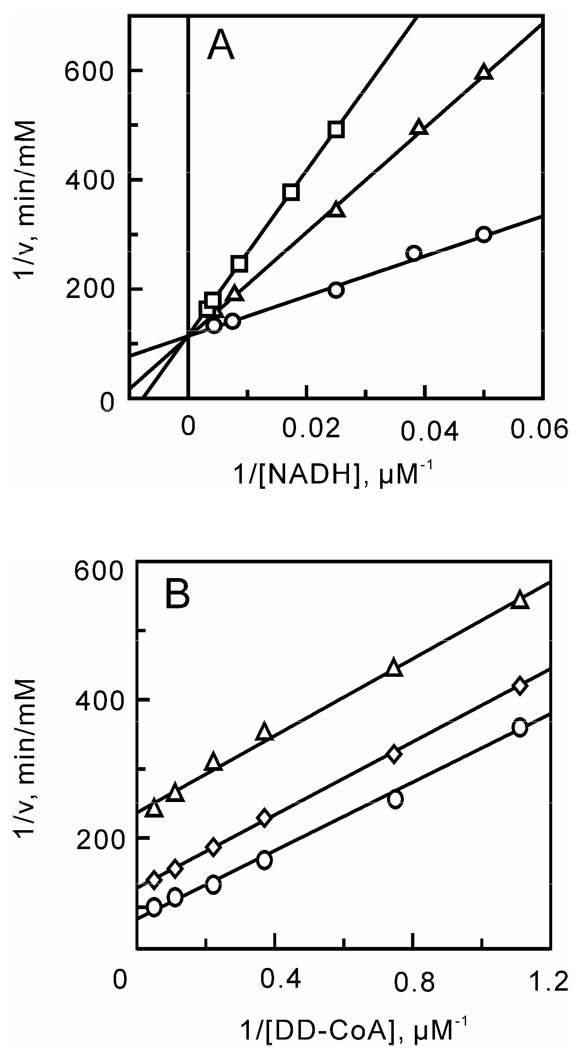
Enoyl-ACP reductases catalyze the final step in the elongation cycle of the bacterial fatty acid biosynthesis (FAS-II) pathway. At present, four distinct enoyl-ACP reductases have been identified, which are the products of the fabI, fabL, fabK, and fabV genes. The FabV enoyl-ACP reductase is the most recent member of this enzyme class and was originally identified in Vibrio cholerae by Cronan and co-workers [Massengo-Tiasse, R. P., and Cronan, J. E. (2008) Vibrio cholerae FabV defines a new class of enoyl-acyl carrier protein reductase. J. Biol. Chem. 283, 1308-1316]. In this work, a detailed kinetic analysis of the mechanism of the FabV enzyme from Burkholderia mallei (bmFabV) has been undertaken, which reveals that bmFabV catalyzes a sequential bi-bi mechanism with NADH binding first and NAD(+) dissociating last. The enzyme is a member of the short chain dehydrogenase/reductase superfamily in which the catalytic tyrosine (Y235) and lysine (K244) residues are organized in the consensus Tyr-(Xaa)(8)-Lys motif. The role of these active site residues has been investigated using site-directed mutagenesis which has shown that both Y235 and K244 are involved in acid-base chemistry during substrate reduction. Sequence alignment and site-directed mutagenesis also identify a second lysine in the active site (K245) that has an important role in binding of the enoyl substrate. Because of interests in developing inhibitors of bmFabV, a detailed analysis of the inhibition of the enzyme by triclosan has been conducted showing that triclosan is a competitive inhibitor with respect to NADH and an uncompetitive inhibitor with respect to the substrate 2-dodecenoyl-CoA (K(i) = 0.4 muM). In combination with fluorescence binding experiments, we conclude that triclosan binds to the enzyme-NAD(+) product complex which is in rapid and reversible equilibrium with other intermediates on the reaction pathway.
Figures
References
-
- Campbell JW, Cronan JE., Jr Bacterial fatty acid biosynthesis: targets for antibacterial drug discovery. Annu Rev Microbiol. 2001;55:305–332. - PubMed
-
- Heath RJ, White SW, Rock CO. Lipid biosynthesis as a target for antibacterial agents. Prog Lipid Res. 2001;40:467–497. - PubMed
-
- Egan AF, Russell RR. Conditional mutations affecting the cell envelope of Escherichia coli K-12. Genet Res. 1973;21:139–152. - PubMed
-
- Smith S, Witkowski A, Joshi AK. Structural and functional organization of the animal fatty acid synthase. Prog Lipid Res. 2003;42:289–317. - PubMed
Publication types
MeSH terms
Substances
Grants and funding
LinkOut - more resources
Full Text Sources
Molecular Biology Databases
Research Materials
Miscellaneous
