Regulation of oxidative stress and cardioprotection in diabetes mellitus
- PMID: 20066132
- PMCID: PMC2801856
- DOI: 10.2174/157340308786349426
Regulation of oxidative stress and cardioprotection in diabetes mellitus
Abstract
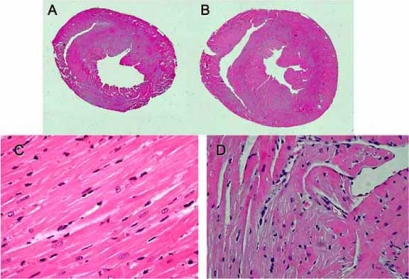
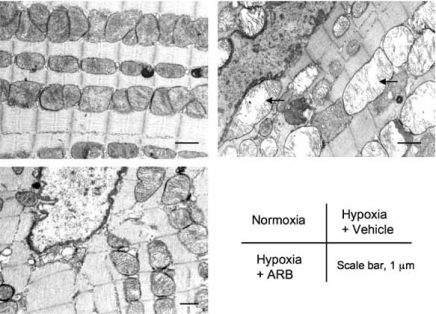
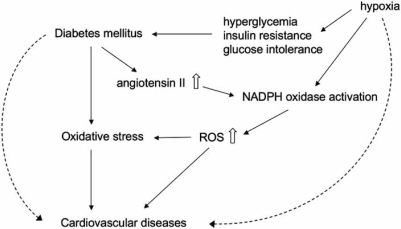
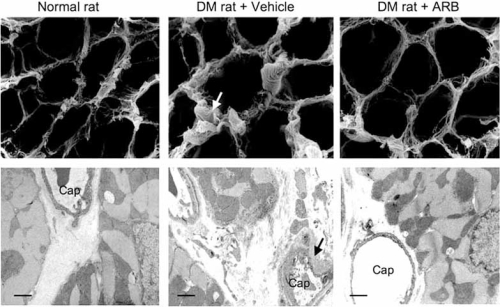
Analysis of the Framingham data has shown that the risk of heart failure is increased substantially among diabetic patients, while persons with the metabolic syndrome have an increased risk of both atherosclerosis and diabetes mellitus. Sleep apnea may be related to the metabolic syndrome and systemic inflammation through hypoxia, which might also cause the cardiac remodeling by increased oxidative stress. On the other hand, the renin-angiotensin system is activated in diabetes, and local angiotensin II production may lead to oxidative damage via the angiotensin II type 1 receptor. Basic and clinical data indicate that angiotensin II receptor blockers have the potential to preserve left ventricular function and prevent cardiac remodeling that is exaggerated by oxidative stress in patients with diabetes. Thus, alleviation of oxidative stress might be one possible strategy in the treatment of diabetic patients associated with sleep apnea.
Keywords: Oxidative stress; diabetes mellitus; hypoxia; remodeling.; sleep apnea.
Figures
References
-
- Everhart JE, Pettitt DJ, Knowler WC, et al. Medial arterial calcification and its association with mortality and complications of diabetes. Diabetologia. 1988;31:16–23. - PubMed
-
- Beckman JA, Creager MA, Libby P. Diabetes and atherosclerosis: epidemiology, pathophysiology, and management. JAMA. 2002;287:2570–81. - PubMed
-
- Klein R, Klein BE, Moss SE, Cruickshanks KJ, Brazy PC. The 10-year incidence of renal insufficiency in people with type 1 diabetes. Diabetes Care. 1999;22:743–51. - PubMed
-
- Williams SB, Cusco JA, Roddy MA, Johnstone MT, Creager MA. Impaired nitric oxide-mediated vasodilation in patients with non-insulin-dependent diabetes mellitus. J Am Coll Cardiol. 1996;27:567–74. - PubMed
-
- Tooke JE. Microvascular function in human diabetes. A physiological perspective. Diabetes. 1995;44:721–6. - PubMed
LinkOut - more resources
Full Text Sources