


Malaria incidence and prevalence on Pemba island before the onset of the successful control intervention on the Zanzibar archipelago
- PMID: 20100352
- PMCID: PMC2835718
- DOI: 10.1186/1475-2875-9-32
Malaria incidence and prevalence on Pemba island before the onset of the successful control intervention on the Zanzibar archipelago
Abstract
Background: Malaria incidence has been reported to decrease substantially in parts of sub-Saharan Africa, including the Zanzibar Archipelago in East Africa. A cohort study with an intensive follow-up on Pemba Island just before the onset of the highly successful malaria control intervention was conducted. The reported estimates of parasite prevalence and incidence can serve as a robust baseline to evaluate the effect size of the successful interventions and the potential contribution of quality controls and other factors associated with research studies in the decreased estimate of transmission.
Methods: In a rural clinic, two successive cohorts of 537 children total aged 2-23 months were followed for six months each with an intensive visitation schedule of bi-weekly follow-up. Robust estimates of incidence and prevalence according to four different malaria definitions were obtained.
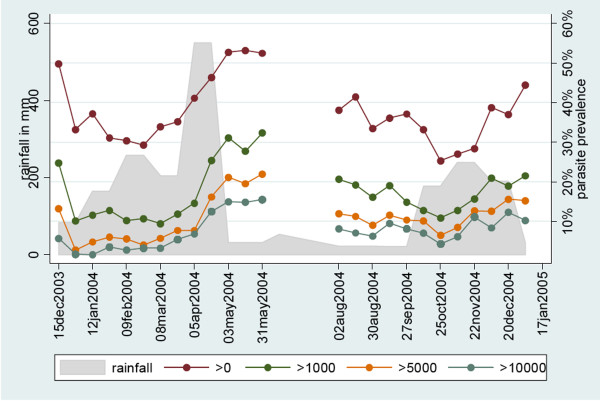
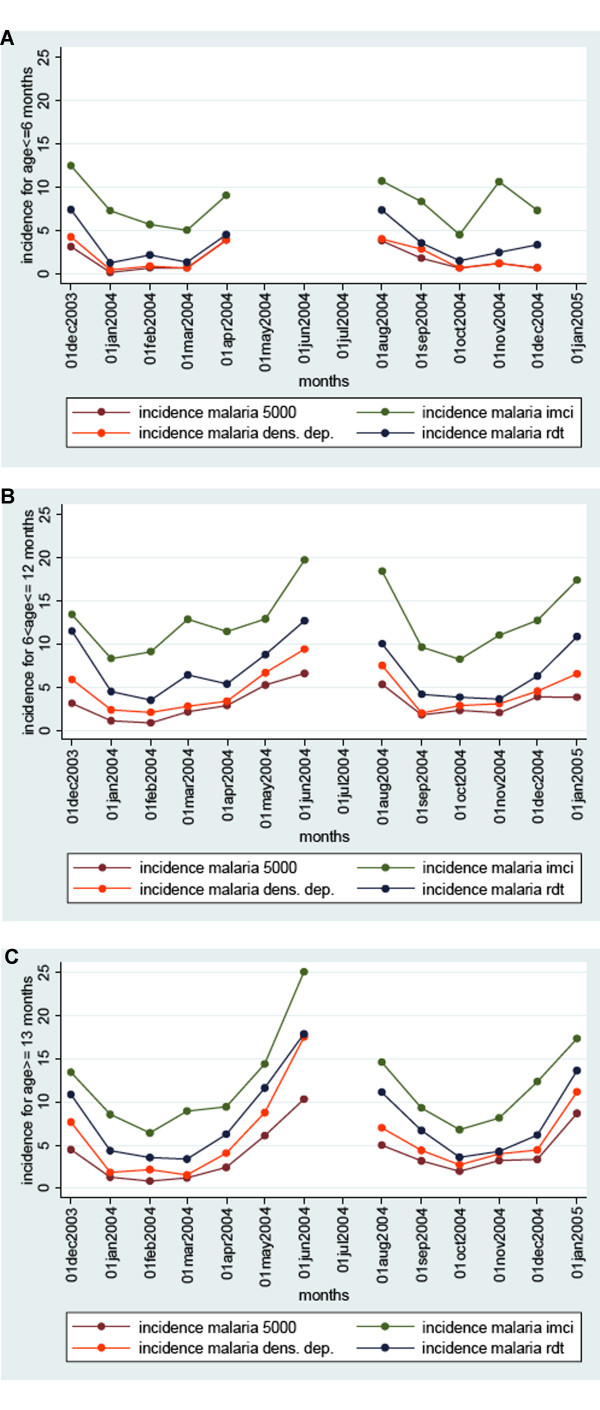
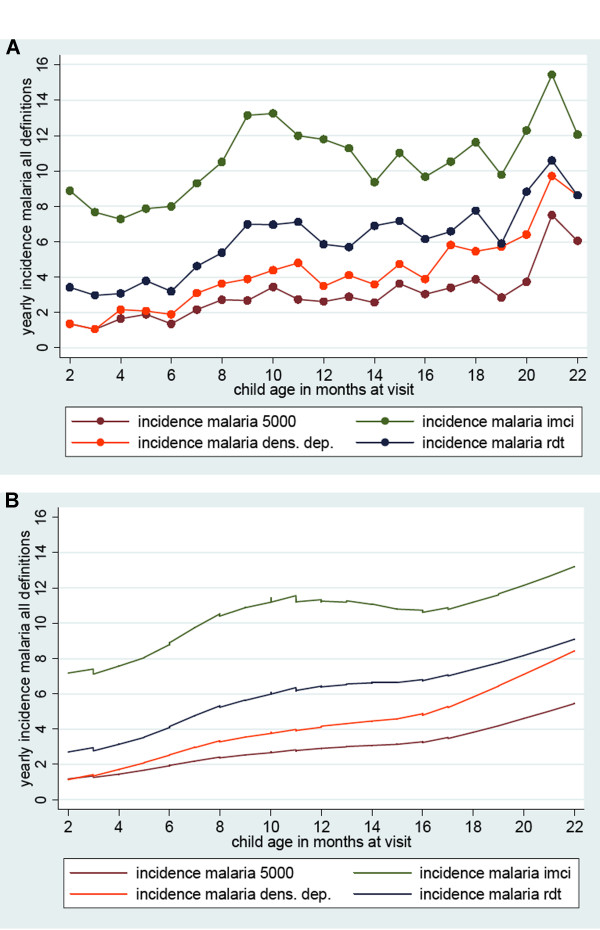
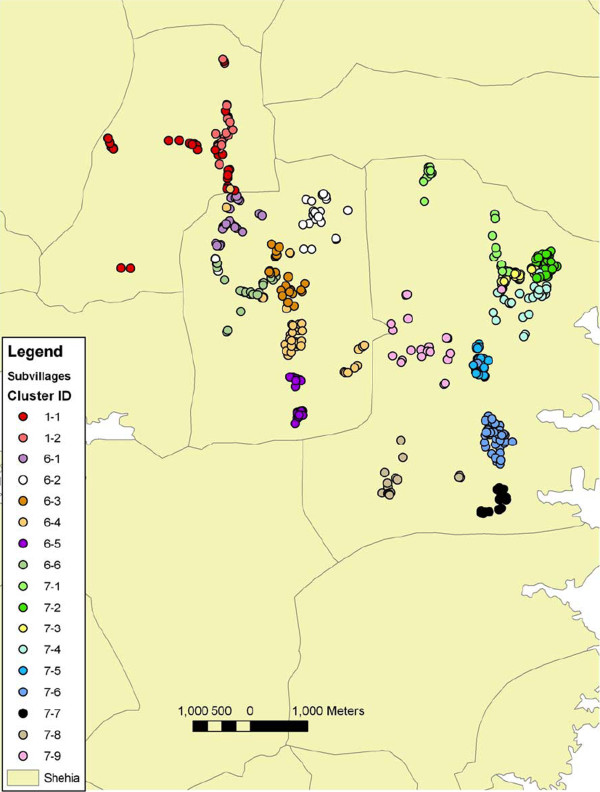
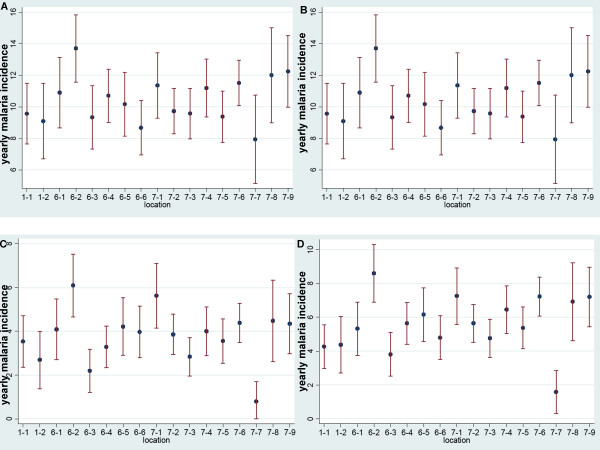
Results: Malaria incidence and prevalence placed Pemba Island in a hyperendemic rather than holoendemic setting for the years 2003-2005. Overall parasite prevalence was estimated to be 39% - with monthly estimates varying between 30% and 50%. Incidence of malaria varied between 2.3 and 3.8 malaria episodes per year based on a diagnosis of fever and various microscopy-based parasite thresholds and between 4.8 and 5.7 based on a diagnosis of fever and 100 parasites/microliter analogous to detection by rapid diagnostic tests. Both parasite densities and malaria incidence increased with age and rainy season. Malaria incidence also varied substantially between the individual villages within the study area.
Conclusions: Pemba Island was previously considered holo-endemic for Malaria. The data suggest that the transmission situation on Pemba Island was significantly lower in 2003-2005 suggesting a hyper-endemic or meso-endemic transmission environment. The figures were obtained just before the onset of the highly successful malaria control intervention by impregnated bed nets and IRS on the Zanzibar Archipelago and provide robust estimates of the malaria transmission situation prior to the control programme. Together with other published data, the results suggest that malaria transmission had started to decrease before the onset of the control programme. The local heterogeneity in malaria incidence highlights the importance of a micro-epidemiological approach in the context of malaria control and elimination.
Figures
References
-
- Matola YG, Mwita U, Masoud AE. Malaria in the Islands of Zanzibar and Pemba 11 years after the Suspension of a Malaria Eradication Programme. Cent Afr J Med. 1984;30:91–92. 95-96. - PubMed
-
- Stoltzfus RJ, Chwaya HM, Tielsch JM, Schulze KJ, Albonico M, Savioli L. Epidemiology of iron deficiency anemia in Zanzibari schoolchildren: the importance of hookworms. Am J Clin Nutr. 1997;65:153–159. - PubMed
-
- Sazawal S, Black RE, Ramsan M, Chwaya HM, Stoltzfus RJ, Dutta A, Dhingra U, Kabole I, Deb S, Othman MK, Kabole FM. Effects of routine prophylactic supplementation with iron and folic acid on admission to hospital and mortality in preschool children in a high malaria transmission setting: community-based, randomised, placebo-controlled trial. Lancet. 2006;367:133–143. doi: 10.1016/S0140-6736(06)67962-2. - DOI - PubMed
-
- Stoltzfus RJ, Chwaya HM, Montresor A, Albonico M, Savioli L, Tielsch JM. Malaria, hookworms and recent fever are related to anemia and iron status indicators in 0- to 5-y old Zanzibari children and these relationships change with age. J Nutr. 2000;130:1724–1733. - PubMed
-
- Stoltzfus RJ, Chwaya HM, Albonico M, Schulze KJ, Savioli L, Tielsch JM. Serum ferritin, erythrocyte protoporphyrin and hemoglobin are valid indicators of iron status of school children in a malaria-holoendemic population. J Nutr. 1997;127:293–298. - PubMed
MeSH terms
LinkOut - more resources
Full Text Sources
