


Building a national research network for clinical investigations in otology and neurotology
- PMID: 20101159
- PMCID: PMC2888042
- DOI: 10.1097/MAO.0b013e3181c9940c
Building a national research network for clinical investigations in otology and neurotology
Abstract
Background: Practice-based research networks (PBRNs) are the preferred research setting for descriptive/epidemiologic studies and studies that explore the effectiveness of treatments for disease that are managed in community settings, away from the rubric of the academic medical center. A PBRN in otology/neurotology, established upon a sustainable research infrastructure, addresses the challenges of performing community-based research through enhanced support for data collection and facilitated research regulatory adherence. A strategic alignment of a PBRN with an established research infrastructure allows for successful implementation of a variety of study methodologies and a framework for successful competition for research funding in hearing and balance disorders. Our goal is to develop a centralized, high-quality research infrastructure that supports a dynamic research alliance between regional centers for research excellence, community physicians, allied health professionals, and patients.
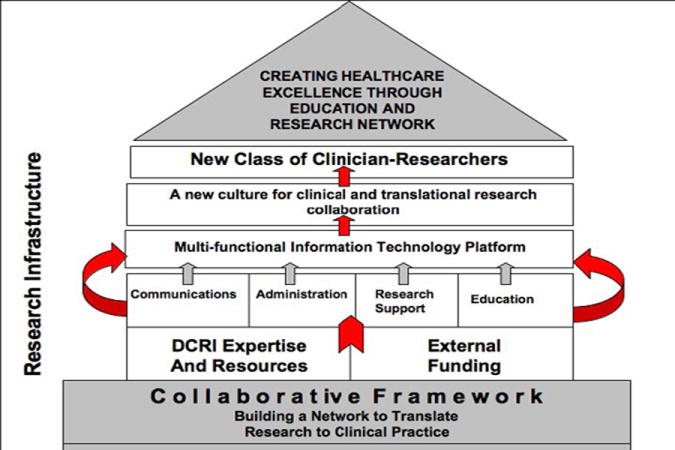
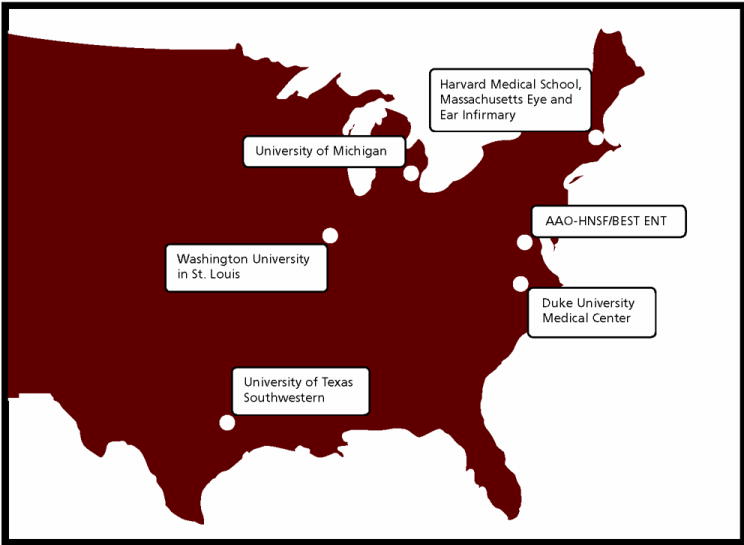
Objective: We describe herein current plans and progress toward the goal of developing a network of academic- and community-based research sites to facilitate the conduct of clinical research in hearing and balance disorders. We have formed a PBRN that we call the CHEER Network: Creating Healthcare Excellence through Education and Research. Creating healthcare excellence through education and research was proposed in response to a request for applications from the National Institute for Deafness and other Communication Disorders to further develop clinical research in otolaryngology, specifically focusing on disorders in hearing and balance.
Conclusion: Our expectation is that a network organized and focused around regional research alliances between academic institutions and community practitioners will have broad appeal to community-based health care professionals and patients, resulting in enhanced communications, interoperability, and success in the conduct of high-quality multicenter clinical research in hearing and balance disorders.
Figures
References
-
- Zerhouni EA. Translational research: moving discovery to practice. Clin Pharmacol Ther. 2007;81:126–28. - PubMed
-
- Balas EA, Boren SA. Yearbook of Medical Informatics: Managing Clinical Knowledge for Health Care Improvement. Stuttgart, Germany: Schattauer Verlagsgesellschaft mbH; 2000. - PubMed
-
- Califf RM. Clinical trials bureaucracy: unintended consequences of well-intentioned policy. Clin Trials. 2006;3:496–502. - PubMed
-
- Van Weel C, de Grauw W. Family practices registration networks contributed to primary care research. J Clin Epidemiol. 2006;59:779–83. - PubMed
Publication types
MeSH terms
Grants and funding
LinkOut - more resources
Full Text Sources
Miscellaneous
