


The ectopic pregnancy, a diagnostic and therapeutic challenge
- PMID: 20108478
- PMCID: PMC3018959
The ectopic pregnancy, a diagnostic and therapeutic challenge
Abstract
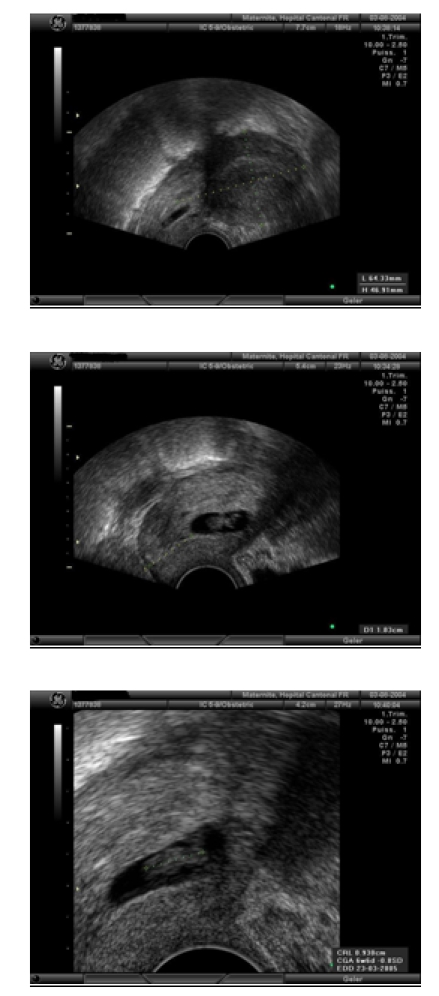
The classic symptoms of ectopic pregnancy are secondary amenorrhoea, abdominal pain and vaginal haemorrhage, with a clinical picture of varying acuteness. It is among the commonest causes of maternal mortality during the first three months of pregnancy. In the majority of cases (95%) the pregnancy is tubal, but other sites are possible (cervical, corneal, ovarian, peritoneal). In the treatment of sterility or medically assisted reproduction, the risk of ectopic pregnancy should be borne in mind. The individual risk factors may be cumulative, particularly with a previous history of extrauterine pregnancy or tubal surgery (including sterilisations). pelvic post-inflammatory status (adhesions proved by coelioscopy) or presence of an intrauterine device. Diagnosis is based on serum beta-hCG concentration and transvaginal ultrasound. Laparoscopy is the treatment of choice for tubal pregnancies. The decision to perform salpingotomy depends on the presence/status of a contra lateral tube. In carefully selected cases local or intra-muscular administration of methotrexate allows conservative treatment, provided the patient does not present acute bleeding. It is also indicated where trophoblastic tissue persists after surgery, notably salpingostomy. and in non-tubal ectopic pregnancies. The latter are rare, however, and it is important to recognise them in view of the more serious complications.
Figures
References
-
- RCOG . The Fifth Report of the Confidential Enquiries into Maternal Deaths in the United Kingdom 1997–1999. London: RCOG Press; 2001. Why mothers die 1997–1999.
-
- Klentzeris LD. Ectopic Pregnacies. Gynecology. 2003:371–386.
-
- Condous G, Oaro E, Bourne T. The management of ectopic pregnancies and pregnancies of unknown location. Gynecol Surg. 2004;1:81–86.
-
- Sowter MC, Farquhar CM. Ectopic Prenancies: an update. Curr Opin in Obstet Gynecol. 2004;16:289–293. - PubMed
-
- Condous G, Okaro E, Alkatib M, Khalid A, Rao S, Bourne T. Should an ectopic pregnancy always be diagnosed using trans–vaginal ultrasonography in the first trimester prior to surgery? . Ultrasound Obstet Gynecol. 2003;22:227–236.
MeSH terms
LinkOut - more resources
Full Text Sources
Medical