


Critical comparisons of the clinical performance of oxygen-conserving devices
- PMID: 20133925
- PMCID: PMC2874449
- DOI: 10.1164/rccm.200910-1638OC
Critical comparisons of the clinical performance of oxygen-conserving devices
Abstract
Rationale: Clinical testing of oxygen-conserving devices is not mandated before marketing. Consequently, little is known about individual or comparative therapeutic effectiveness.
Objectives: To relate oxygen delivery from prototypical instruments to physiological performance.
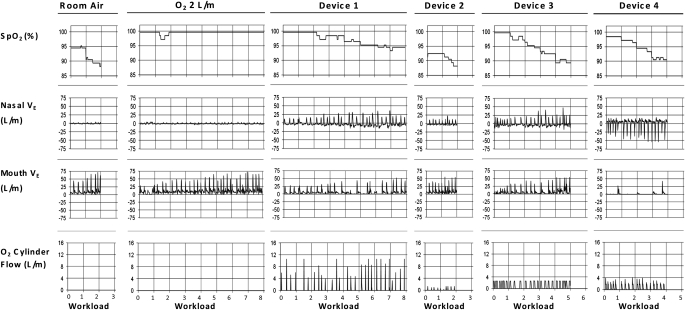
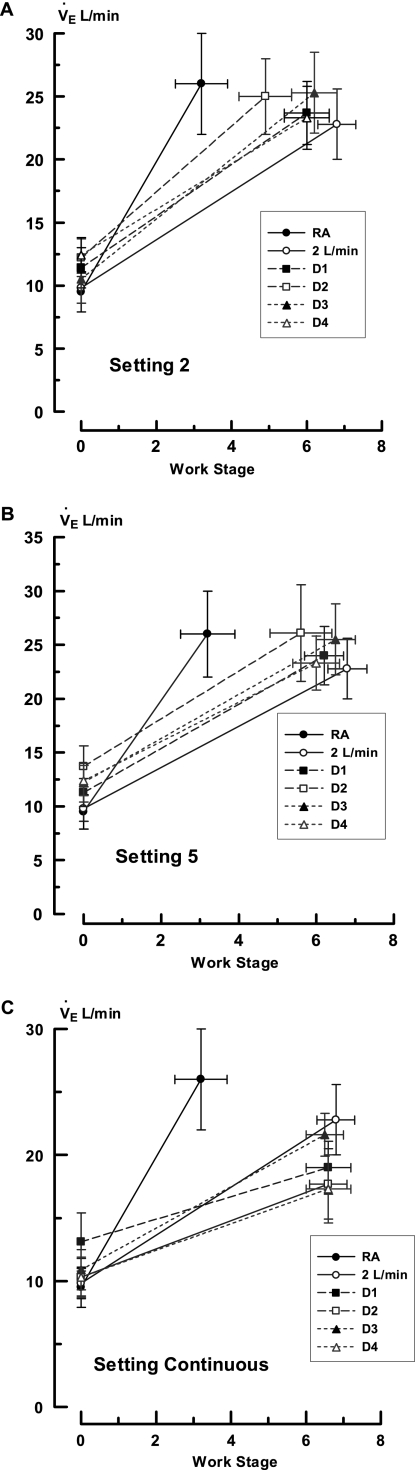
Methods: Thirteen subjects with obstructive lung disease performed progressive treadmill exercise while inhaling either room air, 2 L O(2)/min, or bolus oxygen from four commercially available conserving devices at regulator settings of 2, 5, and continuous. The devices were studied blindly in random order after first being tested to determine performance characteristics. Pulse oximetry, oxygen delivery, and nasal and oral ventilations were monitored at rest and with exertion.
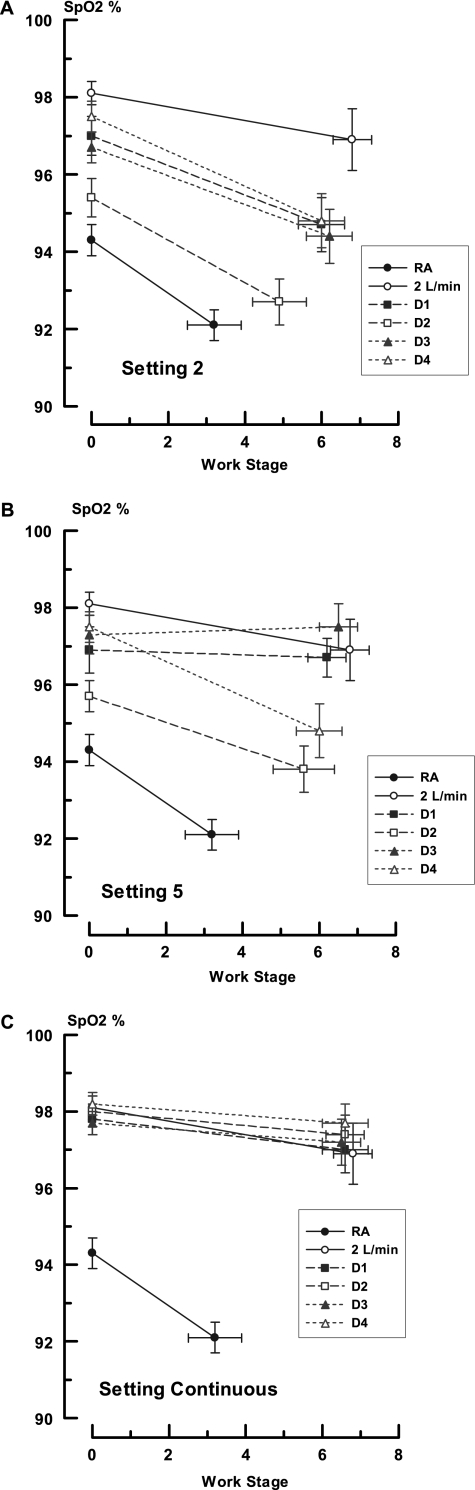
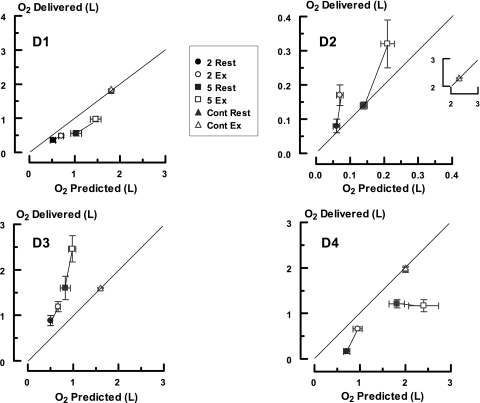
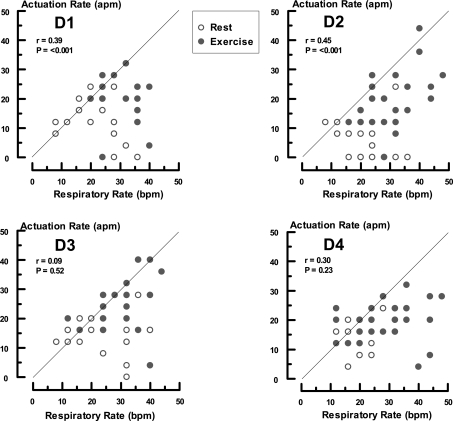
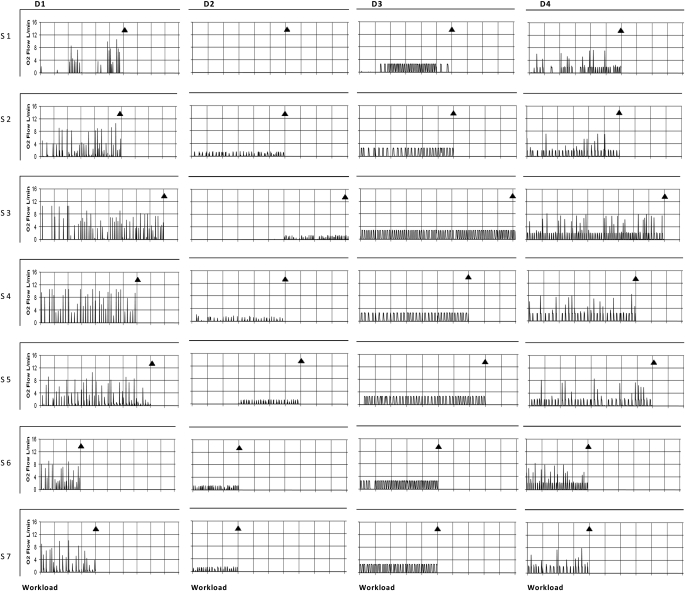
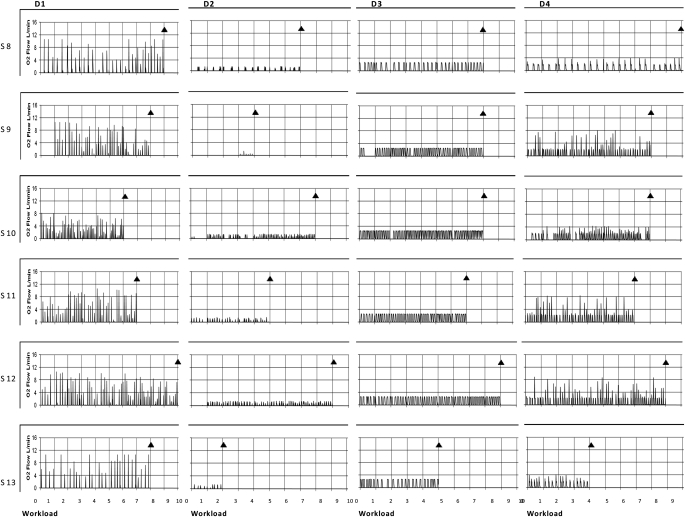
Measurements and main results: At a setting of 2 at rest, all conservers maintained saturation greater than 90%, but there were significant differences in oxygenation between systems. Only one equaled 2 L O(2)/min. With exertion, saturation decreased with all conservers but not with 2 L O(2)/min. One device did not perform any better than room air. Two systems provided less oxygen than predicted, one more, and in one the expected and actual amounts were equal only at rest. Breath-by-breath performance was highly variable, with irregular activation and inconsistent oxygen bolus size delivery. Increasing oxygen pulse volume to the point of eradicating conservation with the continuous setting did not eliminate all disparities.
Conclusions: The mechanical and clinical performances of current oxygen conservers are highly variable and in some instances actually contribute to limitations in exercise ability. Seemingly equivalent technical features do not guarantee equivalent therapeutic functionality.
Figures
References
-
- Nocturnal Oxygen Therapy Trial Group. Continuous nocturnal oxygen therapy in hypoxemic chronic obstructive lung disease: a clinical trial. Ann Intern Med 1980;93:391–398. - PubMed
-
- Report of the Medical Research Council Working Party. Long term domiciliary oxygen therapy in chronic hypoxic cor pulmonale complicating chronic bronchitis and emphysema. Lancet 1981;1:681–686. - PubMed
-
- Doherty DE, Petty TL, for the Writing and Organizing Committees. Recommendations of the 6th long-term oxygen therapy consensus conference. Respir Care 2006;51:519–525. - PubMed
-
- McCoy RW. Oxygen-conserving techniques and devices. Respir Care 2000;45:95–103. - PubMed
-
- Bliss PL, McCoy RW, Adams AB. Characteristics of demand oxygen delivery systems: maximum output and setting recommendations. Respir Care 2004;49:160–165. - PubMed
Publication types
MeSH terms
Substances
LinkOut - more resources
Full Text Sources
Other Literature Sources
Medical
