Review
. 2010 May;21(5):315-24.
doi: 10.1016/j.tem.2010.01.002. Epub 2010 Feb 6.

Partners in crime: deregulation of AR activity and androgen synthesis in prostate cancer

Affiliations
Review

Partners in crime: deregulation of AR activity and androgen synthesis in prostate cancer

Karen E Knudsen et al. Trends Endocrinol Metab. 2010 May.

Abstract

Prostate cancer remains a leading cause of cancer death, as there are no durable means to treat advanced disease. Treatment of non-organ-confined prostate cancer hinges on its androgen dependence. First-line therapeutic strategies suppress androgen receptor (AR) activity, via androgen ablation and direct AR antagonists, whereas initially effective, incurable, 'castration-resistant' tumors arise as a result of resurgent AR activity. Alterations of AR and/or associated regulatory networks are known to restore receptor activity and support resultant therapy-resistant tumor progression. However, recent evidence also reveals an unexpected contribution of the AR ligand, indicating that alterations in pathways controlling androgen synthesis support castration-resistant AR activity. In this report, the mechanisms underlying the lethal pairing of AR deregulation and aberrant androgen synthesis in prostate cancer progression will be discussed.


Figures

Figure 1
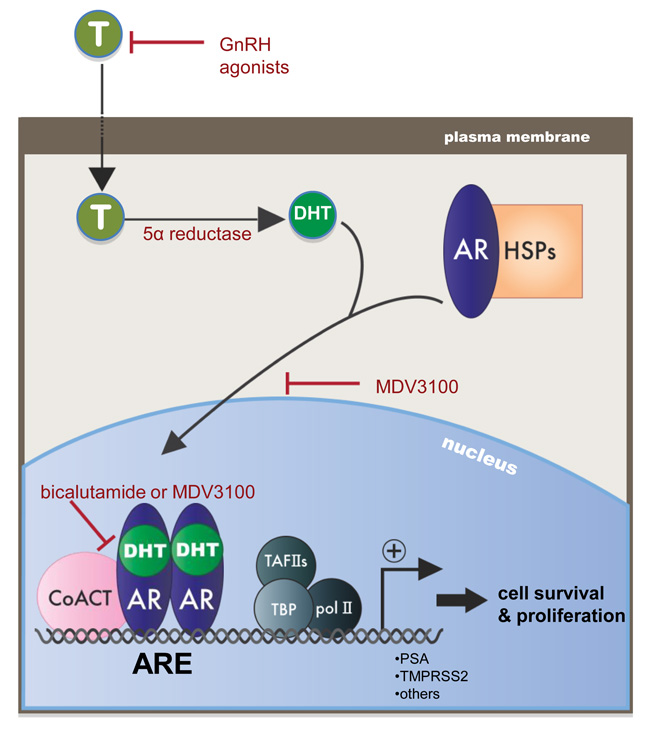
Figure 1. AR regulation in prostate cancer
Once activated by ligand (T or DHT) binding, (i) the AR is released by chaperones (including HSPs), translocates to the nucleus, (ii) binds to DNA at androgen response elements (AREs), and recruits a series of coactivators (CoACT) that facilitate formation of active transcription complexes. (iii) Resultant gene expression program outcomes are dependent on cell context and include secretion, differentiation, survival, migration, and proliferation. AR activity is targeted in invasive disease through depletion of testicular ligand synthesis (eg GnRH agonists), often used in combination with direct AR antagonists (e.g. bicalutamide). A novel AR antagonist, MDV3100, both competes with AR for androgen binding and reduces nuclear accumulation of AR.
Figure 2
Figure 2. AR deregulation and CRPC development
(i) Successful targeting of AR activity through testicular androgen depletion and AR antagonists results in tumor cell death or cell cycle arrest. (ii) Subsequent adaptation events occur that restore AR signaling, including amplification or overexpression of AR, gain-of-function somatic mutation of AR, aberrant AR post-translational modification (frequently driven by growth factor, GF, or cytokine signaling), alternative splicing events that result in hyperactive receptors, cofactor dysregulation, and/or intracrine androgen synthesis. (iii) Resurgent AR activity induces incurable CRPC tumor development, and is most often heralded by a preceding rise in PSA (biochemical failure).
Figure 3
Figure 3. Altered androgen biosynthesis and CRPC
High-affinity ligands for the AR are shown in green boxes. Gene names are in italics. Steps in the “classical” pathway that show consistent elevated transcript expression in metastatic or recurrent tumors are marked with a red arrow and those with decreased transcript level are shown with a black arrow. Changes in steps indicated by the open arrows need to be further studied. Drugs that are available for clinical use that can block each of the major steps in androgen biosynthesis are indicated in blue. Dehydroepiandrosterone (DHEA) can also be of adrenal origin and 3α-andostanediol may be produced by the backdoor pathway on route to 5α-DHT. Only the final step in the backdoor pathway to 5α-DHT is shown for clarity.

References

    1. Jemal A, Siegel R, Ward E, et al. Cancer statistics, 2008. CA Cancer J Clin. 2008;58:71–96. - PubMed
    1. Klein EA, Ciezki J, Kupelian PA, Mahadevan A. Outcomes for intermediate risk prostate cancer: Are there advantages for surgery, external radiation, or brachytherapy? Urol Oncol. 2009;27:67–71. - PubMed
    1. Klotz L. Combined androgen blockade: an update. Urol Clin North Am. 2006;33:161–166. v–vi. - PubMed
    1. Knudsen KE, Scher HI. Starving the addiction: new opportunities for durable suppression of AR signaling in prostate cancer. Clin Cancer Res. 2009;15:4792–4798. - PMC - PubMed
    1. Loblaw DA, Virgo KS, Nam R, et al. Initial hormonal management of androgen-sensitive metastatic, recurrent, or progressive prostate cancer: 2006 update of an American Society of Clinical Oncology practice guideline. J Clin Oncol. 2007;25:1596–1605. - PubMed

Publication types