


Novel devices for individualized controlled inhalation can optimize aerosol therapy in efficacy, patient care and power of clinical trials
- PMID: 20156730
- PMCID: PMC3521343
- DOI: 10.1186/2047-783x-14-s4-71
Novel devices for individualized controlled inhalation can optimize aerosol therapy in efficacy, patient care and power of clinical trials
Abstract
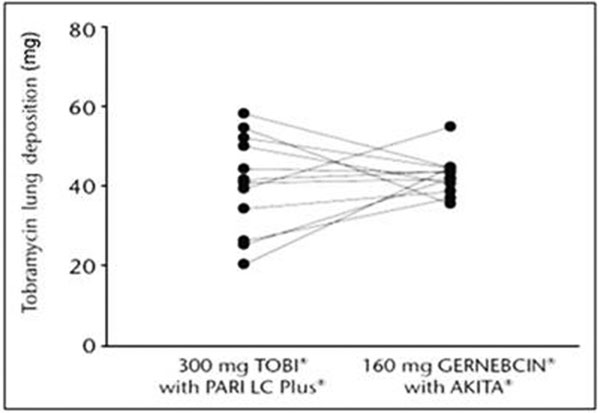
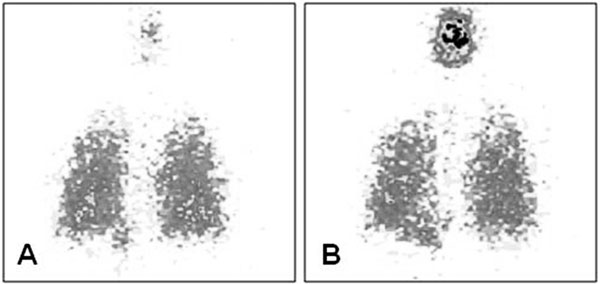
In the treatment of pulmonary diseases the inhalation of aerosols plays a key role - it is the preferred route of drug delivery in asthma, chronic obstructive pulmonary disease (COPD) and cystic fibrosis. But, in contrast to oral and intravenous administration drug delivery to the lungs is controlled by additional parameters. Beside its pharmacology the active agent is furthermore determined by its aerosol characteristics as particle diameter, particle density, hygroscopicity and electrical charge. The patient related factors like age and stage of pulmonary disease will be additionally affected by the individual breathing pattern and morphometry of the lower airways. A number of these parameters with essential impact on the pulmonary drug deposition can be influenced by the performance of the inhalation system. Therefore, the optimization of nebulisation technology was a major part of aerosol science in the last decade. At this time the control of inspiration volume and air flow as well as the administration of a defined aerosol bolus was in the main focus. Up to date a more efficient and a more targeted pulmonary drug deposition - e.g., in the alveoli - will be provided by novel devices which also allow shorter treatment times and a better reproducibility of the administered lung doses. By such means of precise dosing and drug targeting the efficacy of inhalation therapy can be upgraded, e.g., the continuous inhalation of budesonide in asthma. From a patients' perspective an optimized inhalation manoeuvre means less side effects, e.g., in cystic fibrosis therapy the reduced oropharyngeal tobramycin exposure causes fewer bronchial irritations. Respecting to shorter treatment times also, this result in an improved quality of life and compliance. For clinical trials the scaling down of dose variability in combination with enhanced pulmonary deposition reduces the number of patients to be included and the requirement of pharmaceutical compounds. This review summarises principles and advances of individualised controlled inhalation (ICI) as offered by the AKITA inhalation system.
Figures


References
-
- Scheuch G, Siekmeier R. Novel approaches to enhance pulmonary delivery of proteins and peptides. J Physiol Pharmacol. 2007;58(Suppl 5, Pt 2):615–625. - PubMed
-
- Siekmeier R, Scheuch G. Systemic treatment by inhalation of macromolecules - Principles, problems, and examples. J Physiol Pharmacol. 2008;59(Suppl 6):53–79. - PubMed
-
- Köhler D, Fleischer W. In: Theorie und Praxis der Inhalationstherapie. Köhler D, Fleischer W, editor. Arcis Verlag, München; 2000. Medikamente.
Publication types
MeSH terms
Substances
LinkOut - more resources
Full Text Sources
Other Literature Sources
Medical