hsa-miR-29c* is linked to the prognosis of malignant pleural mesothelioma
- PMID: 20160038
- PMCID: PMC2831149
- DOI: 10.1158/0008-5472.CAN-09-3993
hsa-miR-29c* is linked to the prognosis of malignant pleural mesothelioma
Abstract
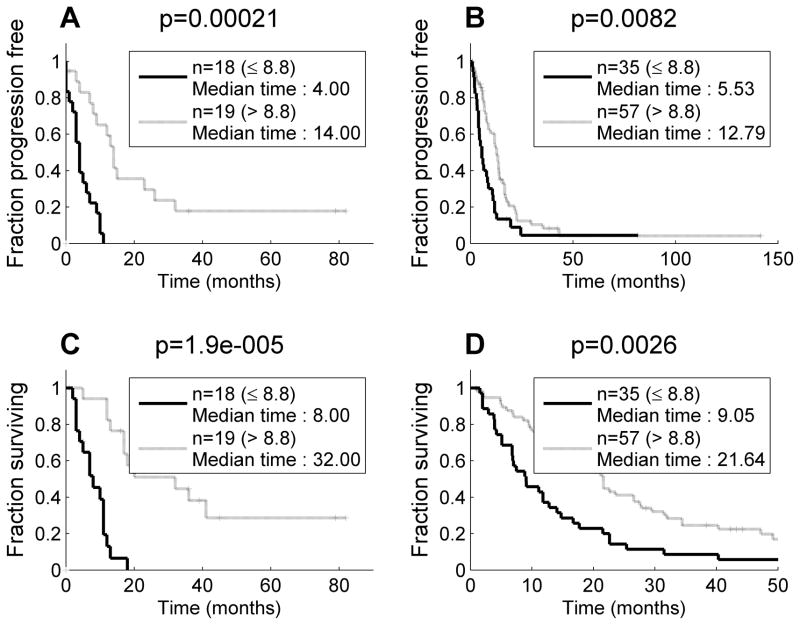
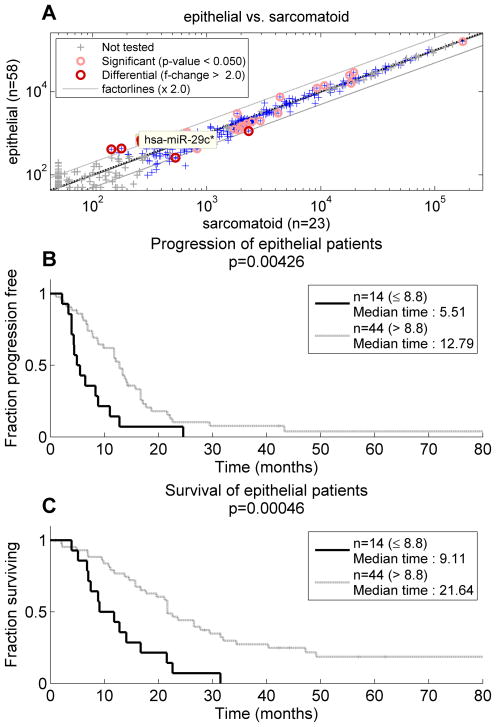
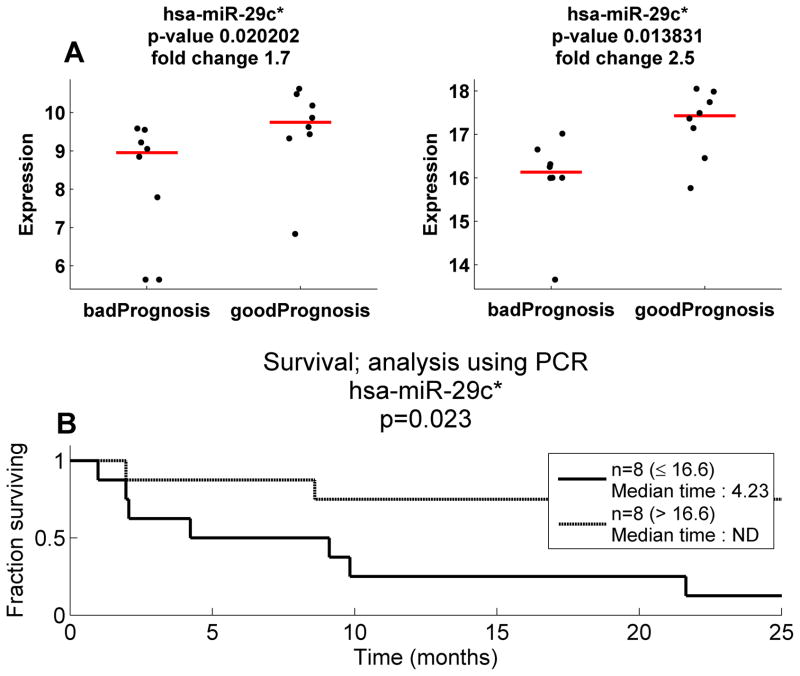
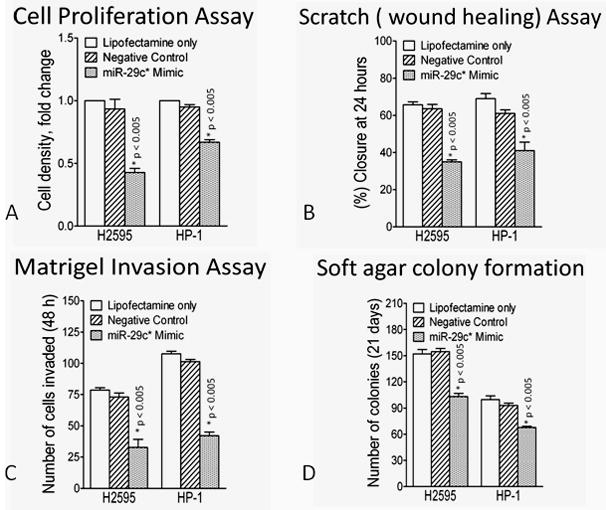
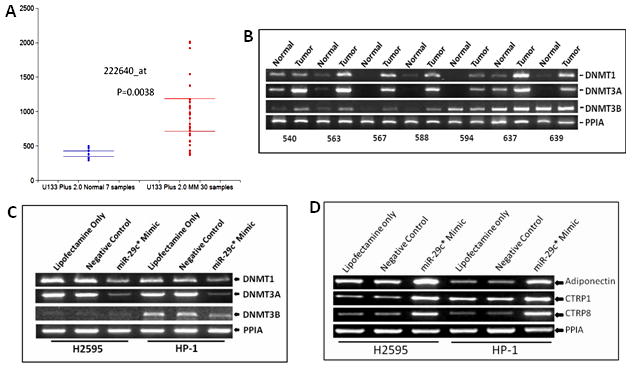
The inability to forecast outcomes for malignant mesothelioma prevents clinicians from providing aggressive multimodality therapy to the most appropriate individuals who may benefit from such an approach. We investigated whether specific microRNAs (miR) could segregate a largely surgically treated group of mesotheliomas into good or bad prognosis categories. A training set of 44 and a test set of 98 mesothelioma tumors were analyzed by a custom miR platform, along with 9 mesothelioma cell lines and 3 normal mesothelial lines. Functional implications as well as downstream targets of potential prognostic miRs were investigated. In both the training and test sets, hsa-miR-29c* was an independent prognostic factor for time to progression as well as survival after surgical cytoreduction. The miR was expressed at higher levels in epithelial mesothelioma, and the level of this miR could segregate patients with this histology into groups with differing prognosis. Increased expression of hsa-miR-29c* predicted a more favorable prognosis, and overexpression of the miR in mesothelioma cell lines resulted in significantly decreased proliferation, migration, invasion, and colony formation. Moreover, major epigenetic regulation of mesothelioma is mediated by hsa-miR-29c* and was shown through downregulation of DNA methyltransferases as well as upregulation of demethylating genes. A single miR has the potential to be a prognostic biomarker in mesothelioma, and validation of these findings as well as investigation of its downstream targets may give insight for potential therapies in the future.
Figures
References
-
- Kaufman AJ, Pass HI. Current concepts in malignant pleural mesothelioma. Expert Rev Anticancer Ther. 2008;8:293–303. - PubMed
-
- Bentwich I. Prediction and validation of microRNAs and their targets. FEBS Lett. 2005;579:5904–10. - PubMed
-
- Rosenfeld N, Aharonov R, Meiri E, Rosenwald S, Spector Y, Zepeniuk M, et al. MicroRNAs accurately identify cancer tissue origin. Nat Biotechnol. 2008;26:462–9. - PubMed
-
- Eitan R, Kushnir M, Lithwick-Yanai G, David MB, Hoshen M, Glezerman M, et al. Tumor microRNA expression patterns associated with resistance to platinum based chemotherapy and survival in ovarian cancer patients. Gynecol Oncol. 2009;114:253–9. - PubMed
Publication types
MeSH terms
Substances
Grants and funding
LinkOut - more resources
Full Text Sources
Other Literature Sources
Medical
Research Materials