


New approaches to the treatment of pulmonary hypertension: from bench to bedside
- PMID: 20160533
- PMCID: PMC2829109
- DOI: 10.1097/CRD.0b013e3181cbcbf3
New approaches to the treatment of pulmonary hypertension: from bench to bedside
Abstract
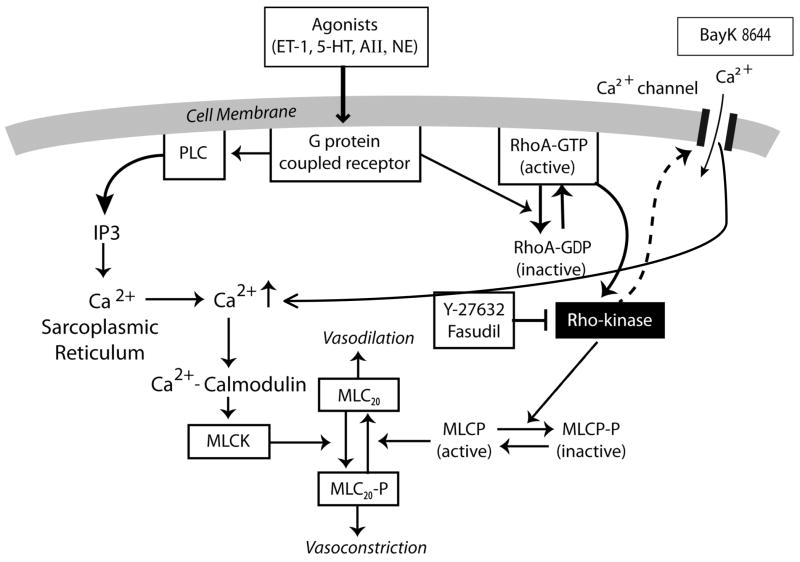
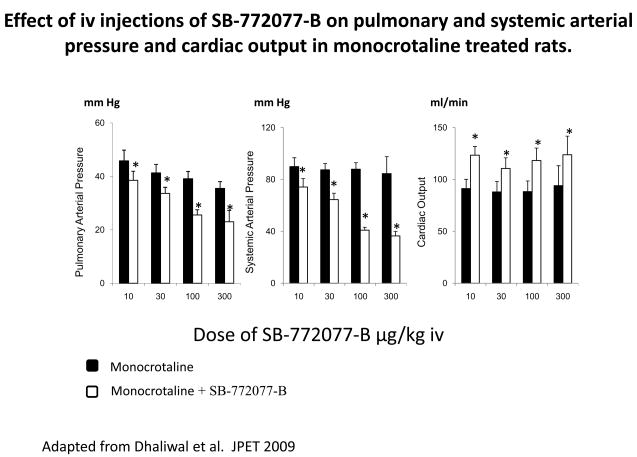
Pulmonary hypertension (PH) is a severe, life-threatening disease for which there are no effective curative therapies. A diverse group of agents such as prostacyclins, endothelin antagonists, phosphodiesterase inhibitors, calcium channel blockers, diuretics, inotropic agents, and anticoagulants are used to treat PH; however, none of these agents have a marked effect upon survival. Among the new agents that promise treatment of PH are rho-kinase inhibitors and soluble guanylate cyclase stimulators. Although these new classes of agents have beneficial effects in experimental animal models and clinical studies, they are not selective in their actions on the pulmonary vascular bed. This manuscript reviews the actions of rho-kinase inhibitors and soluble guanylate cyclase stimulators on the pulmonary vascular bed. It is our hypothesis that these new agents may be more effective than current therapies in the treatment of PH. Moreover, new methods in the delivery of these agents to the lung need to be developed so that their main effects will be exerted in the pulmonary vascular bed and their systemic effects can be minimized or avoided.
Figures


References
-
- Rubin LJ, Badesch DB. Evaluation and management of the patient with pulmonary arterial hypertension. Ann Intern Med. 2005;143:282–292. - PubMed
-
- Simonneau G, Galie N, Rubin LJ, et al. Clinical classification of pulmonary hypertension. J Am Coll Cardiol. 2004;43:5S–12S. - PubMed
-
- Widlitz A, Barst RJ. Pulmonary arterial hypertension in children. Eur Respir J. 2003;21:155–176. - PubMed
-
- Raiesdana A, Loscalzo J. Pulmonary arterial hypertension. Ann Med. 2006;38:95–110. - PubMed
-
- Yang YY, Lin HC, Lee WC, et al. Portopulmonary hypertension: distinctive hemodynamic and clinical manifestations. J Gastroenterol. 2001;36:181–186. - PubMed
Publication types
MeSH terms
Substances
Grants and funding
LinkOut - more resources
Full Text Sources
Medical
