


Determination, mechanism and monitoring of knockdown resistance in permethrin-resistant human head lice, Pediculus humanus capitis
- PMID: 20161186
- PMCID: PMC2727674
- DOI: 10.1016/j.aspen.2008.10.007
Determination, mechanism and monitoring of knockdown resistance in permethrin-resistant human head lice, Pediculus humanus capitis
Abstract
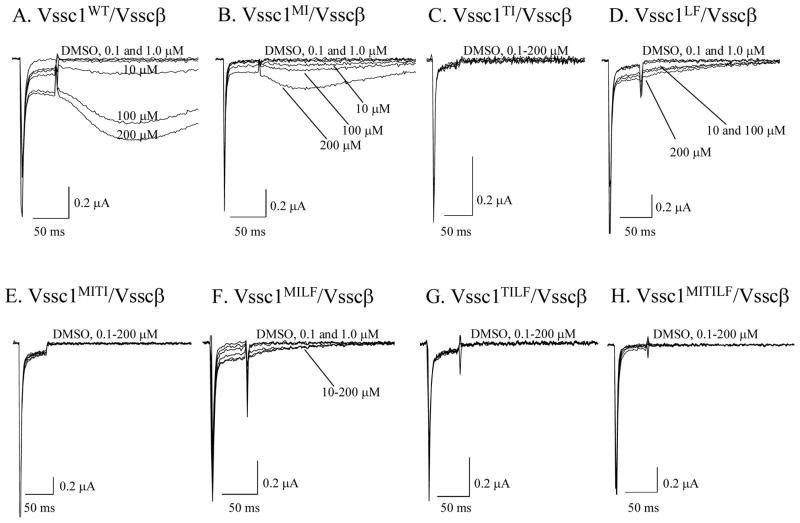
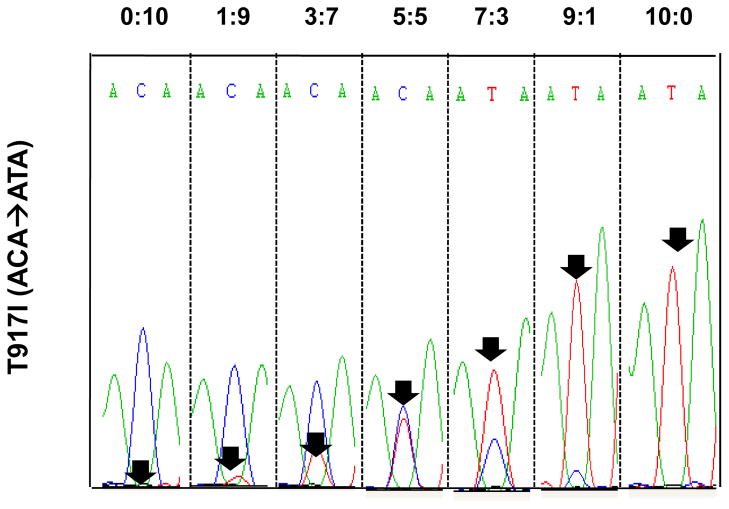
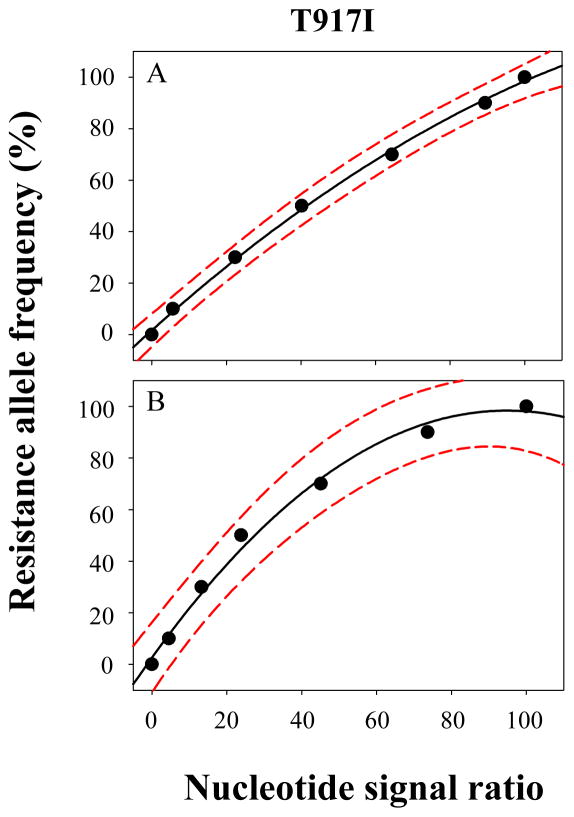
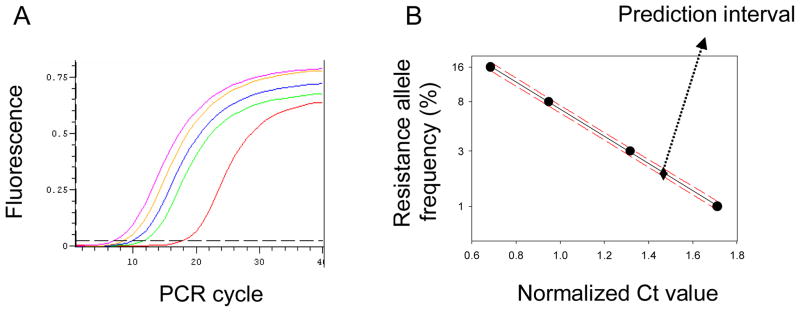
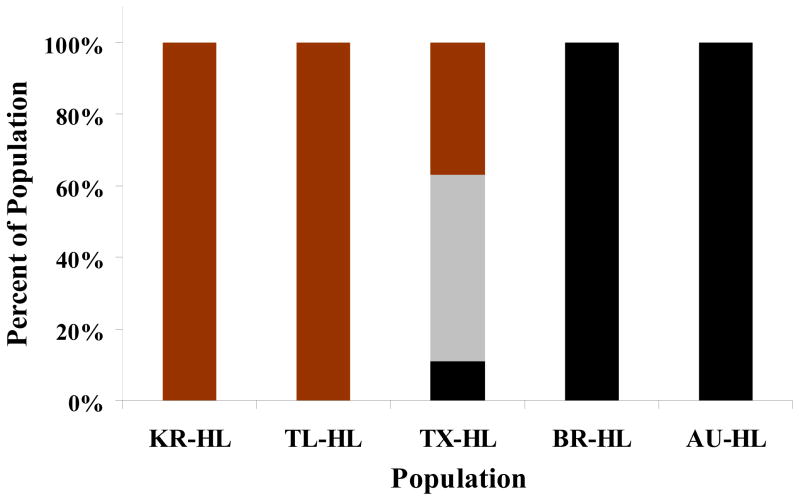
Permethrin resistance has been reported worldwide and clinical failures to commercial pediculicides containing permethrin have likewise occurred. Permethrin resistance in head lice populations from the U.S. is widespread but is not yet uniform and the level of resistance is relatively low (~4-8 fold). Permethrin-resistant lice are cross-resistant to pyrethrins, PBO-synergized pyrethrins and to DDT. Nix((R)), when applied to human hair tufts following manufacture's instructions, did not provide 100% control when assessed by the hair tuft bioassay in conjunction with the in vitro rearing system. Resistance to permethrin is due to knockdown resistance (kdr), which is the result of three point mutations within the alpha-subunit gene of the voltage-gated sodium channel that causes amino acid substitutions, leading to nerve insensitivity.A three-tiered resistance monitoring system has been established based on molecular resistance detection techniques. Quantitative sequencing (QS) has been developed to predict the kdr allele frequency in head lice at a population level. The speed, simplicity and accuracy of QS made it an ideal candidate for a routine primary resistance monitoring tool to screen a large number of louse populations as an alternative to conventional bioassay. As a secondary monitoring method, real-time PASA (rtPASA) has been devised for a more precise determination of low resistance allele frequencies. To obtain more detailed information on resistance allele zygosity, as well as allele frequency, serial invasive signal amplification reaction (SISAR) has been developed as an individual genotyping method. Our approach of using three tiers of molecular resistance detection should facilitate large-scale routine resistance monitoring of permethrin resistance in head lice using field-collected samples.
Figures


References
-
- Clark JM, Lee SH, Kim HJ, Yoon KS, Zhang A. DNA-based genotyping techniques for the detection of point mutations associated with insecticide resistance in Colorado potato beetle. Pest Management Sci. 2001;57:1–7. - PubMed
-
- Clark JM, Lee SH, Yoon KS, Strycharz JP, Kwon DH. Human head lice: Status, control and resistance. In: Clark JM, Bloomquist JR, Kawada H, editors. Advances in Human Vector Control; ACS Symposium Series XXX; Washington D.C: ACS Books; 2009. in press.
-
- Gao JR, Yoon KS, Lee SH, Takano-Lee M, Edman JE, Meinking T, Taplin D, Clark JM. Increased frequency of the T929I and L932F mutations associated with knockdown resistance in permethrin-resistant populations of the human head louse, Pediculus capitis, from California, Florida and Texas. Pest Biochem Physiol. 2003;77:115–124.
-
- Gratz NG. WHO/CTD/WHOPES/97.8. World Health Org; Switzerland: 1997. Human lice: Their prevalence, control and resistance to insecticides; p. 61.
-
- Gratz NG. Emerging and resurging vector-borne diseases, Ann. Rev Entomol. 1999;44:51–75. - PubMed
Grants and funding
LinkOut - more resources
Full Text Sources
Research Materials
Miscellaneous