


Development of Scalable Culture Systems for Human Embryonic Stem Cells
- PMID: 20161686
- PMCID: PMC2821101
- DOI: 10.1016/j.bej.2009.10.020
Development of Scalable Culture Systems for Human Embryonic Stem Cells
Abstract
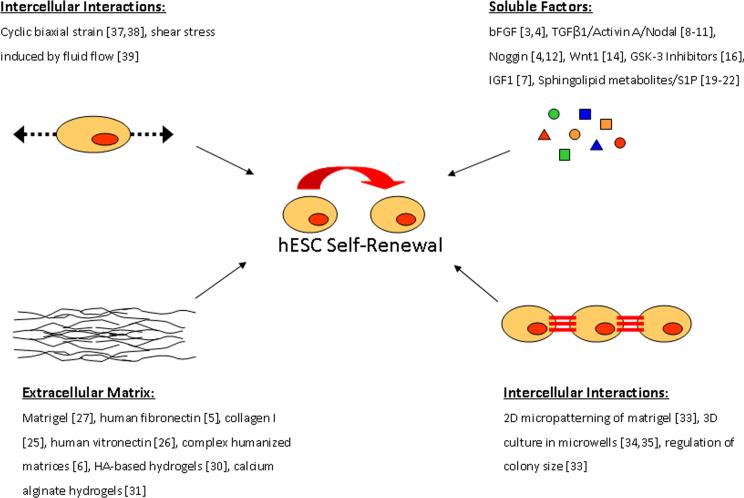
The use of human pluripotent stem cells, including embryonic and induced pluripotent stem cells, in therapeutic applications will require the development of robust, scalable culture technologies for undifferentiated cells. Advances made in large-scale cultures of other mammalian cells will facilitate expansion of undifferentiated human embryonic stem cells (hESCs), but challenges specific to hESCs will also have to be addressed, including development of defined, humanized culture media and substrates, monitoring spontaneous differentiation and heterogeneity in the cultures, and maintaining karyotypic integrity in the cells. This review will describe our current understanding of environmental factors that regulate hESC self-renewal and efforts to provide these cues in various scalable bioreactor culture systems.
Figures
References
-
- Thomson JA, et al. Embryonic stem cell lines derived from human blastocysts. Science. 1998;282(5391):1145–7. - PubMed
-
- Xu RH, et al. Basic FGF and suppression of BMP signaling sustain undifferentiated proliferation of human ES cells. Nat Methods. 2005;2(3):185–90. - PubMed
-
- Amit M, et al. Feeder layer- and serum-free culture of human embryonic stem cells. Biol Reprod. 2004;70(3):837–45. - PubMed
Grants and funding
LinkOut - more resources
Full Text Sources
Other Literature Sources