


Increased error-related thalamic activity during early compared to late cocaine abstinence
- PMID: 20163923
- PMCID: PMC2875333
- DOI: 10.1016/j.drugalcdep.2010.01.008
Increased error-related thalamic activity during early compared to late cocaine abstinence
Abstract
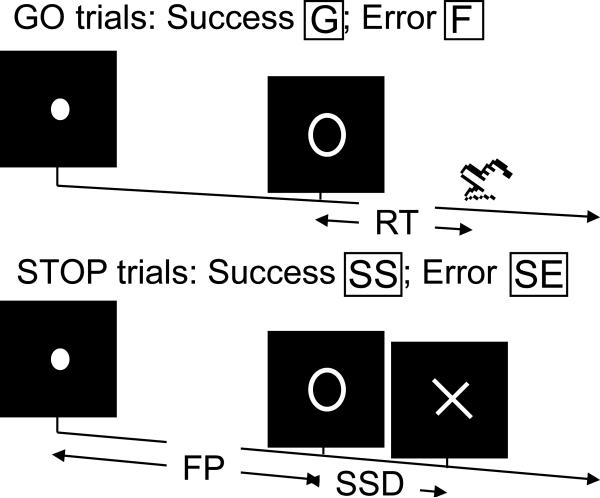
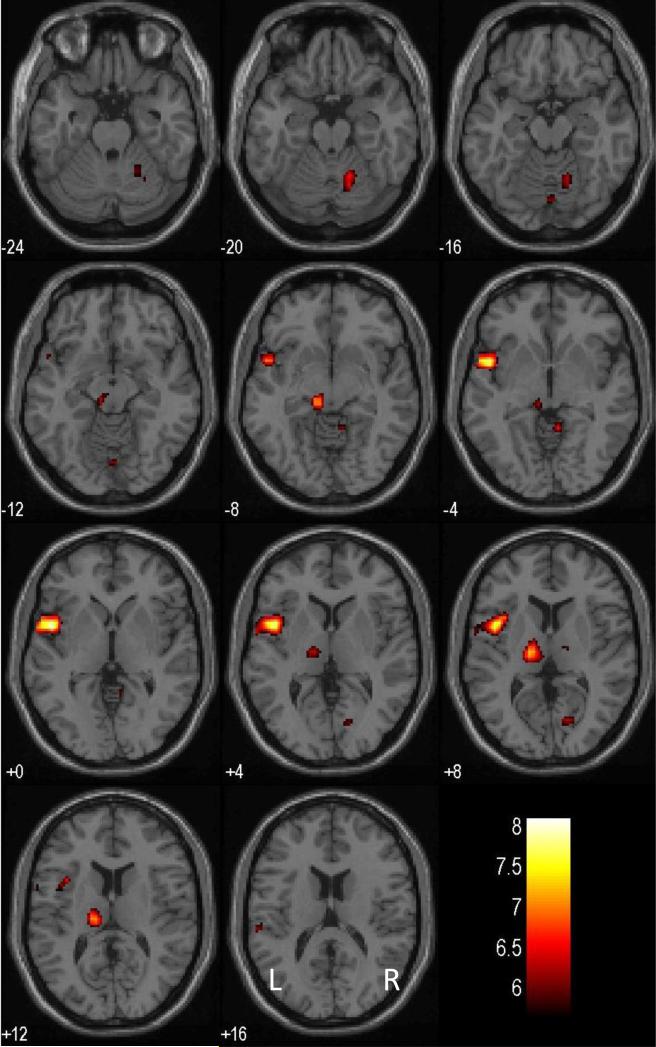
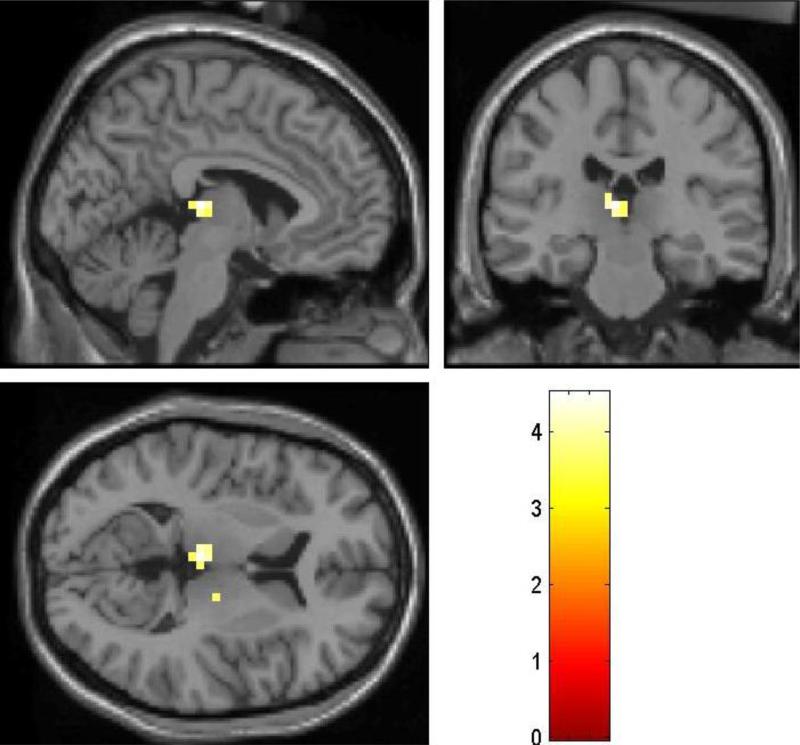
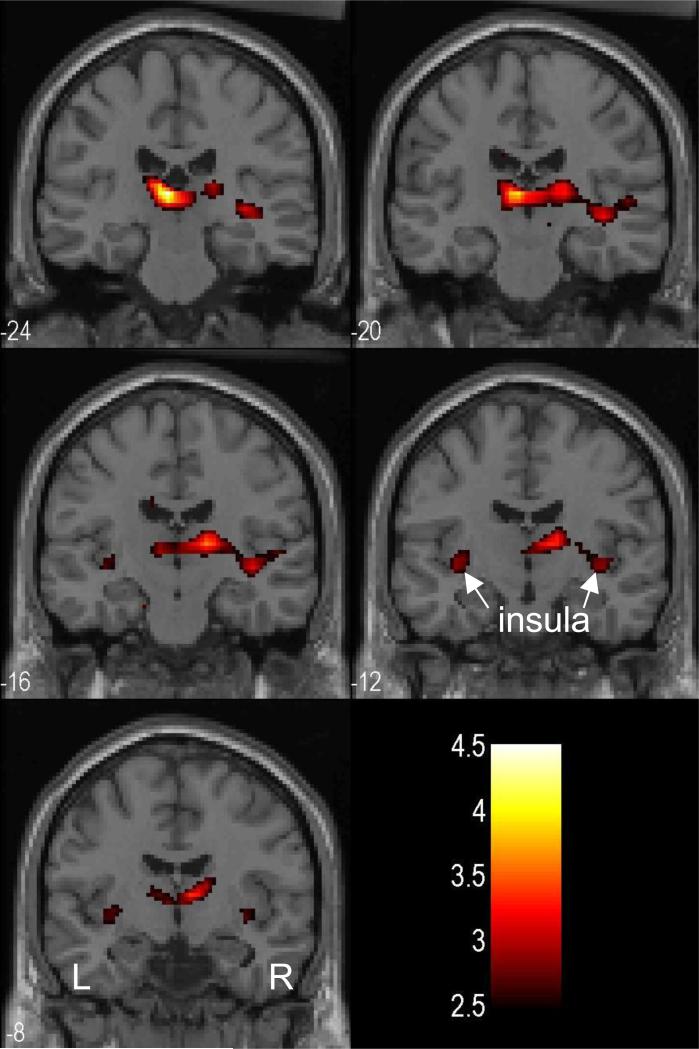
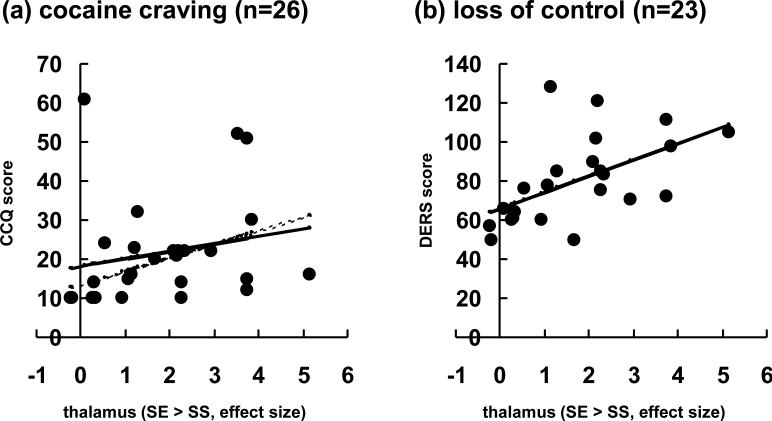
Altered cognitive control is implicated in the shaping of cocaine dependence. One of the key component processes of cognitive control is error monitoring. Our previous imaging work highlighted greater activity in distinct cortical and subcortical regions including the dorsal anterior cingulate cortex (dACC), thalamus and insula when participants committed an error during the stop signal task (Li et al., 2008b). Importantly, dACC, thalamic and insular activity has been associated with drug craving. One hypothesis is that the intense interoceptive activity during craving prevents these cerebral structures from adequately registering error and/or monitoring performance. Alternatively, the dACC, thalamus and insula show abnormally heightened responses to performance errors, suggesting that excessive responses to salient stimuli such as drug cues could precipitate craving. The two hypotheses would each predict decreased and increased activity during stop error (SE) as compared to stop success (SS) trials in the SST. Here we showed that cocaine dependent patients (PCD) experienced greater subjective feeling of loss of control and cocaine craving during early (average of day 6) compared to late (average of day 18) abstinence. Furthermore, compared to PCD during late abstinence, PCD scanned during early abstinence showed increased thalamic as well as insular but not dACC responses to errors (SE>SS). These findings support the hypothesis that heightened thalamic reactivity to salient stimuli co-occur with cocaine craving and loss of self control.
Copyright (c) 2010 Elsevier Ireland Ltd. All rights reserved.
Figures
References
-
- Baicy K, London ED. Corticolimbic dysregulation and chronic methamphetamine abuse. Addiction. 2007;102(Suppl 1):5–15. - PubMed
-
- Bellebaum C, Daum I, Koch B, Schwarz M, Hoffmann KP. The role of the human thalamus in processing corollary discharge. Brain. 2005;128:1139–1154. - PubMed
-
- Blakemore SJ, Rees G, Frith CD. How do we predict the consequences of our actions? A functional imaging study. Neuropsychologia. 1998;36:521–529. - PubMed
-
- Brooks JC, Zambreanu L, Godinez A, Craig AD, Tracey I. Somatotopic organisation of the human insula to painful heat studied with high resolution functional imaging. Neuroimage. 2005;27:201–209. - PubMed
Publication types
MeSH terms
Substances
Grants and funding
- R56 DA019062/DA/NIDA NIH HHS/United States
- R21 DA026998/DA/NIDA NIH HHS/United States
- P50 DA009241/DA/NIDA NIH HHS/United States
- R01DA023248/DA/NIDA NIH HHS/United States
- K12-DA14038/DA/NIDA NIH HHS/United States
- P50-DA16556/DA/NIDA NIH HHS/United States
- K12-DA000167/DA/NIDA NIH HHS/United States
- K12 DA000167/DA/NIDA NIH HHS/United States
- R01 DA023248/DA/NIDA NIH HHS/United States
- P50 DA016556/DA/NIDA NIH HHS/United States
- K02 DA026990/DA/NIDA NIH HHS/United States
- K24 DA017899/DA/NIDA NIH HHS/United States
- R56DA19062-31/DA/NIDA NIH HHS/United States
- UL1 RR024139/RR/NCRR NIH HHS/United States
- K24-DA017899/DA/NIDA NIH HHS/United States
- P50-DA09241/DA/NIDA NIH HHS/United States
- K12 DA014038/DA/NIDA NIH HHS/United States
LinkOut - more resources
Full Text Sources
