


Comparative analysis of nuclear tRNA genes of Nasonia vitripennis and other arthropods, and relationships to codon usage bias
- PMID: 20167017
- PMCID: PMC4046259
- DOI: 10.1111/j.1365-2583.2009.00933.x
Comparative analysis of nuclear tRNA genes of Nasonia vitripennis and other arthropods, and relationships to codon usage bias
Abstract
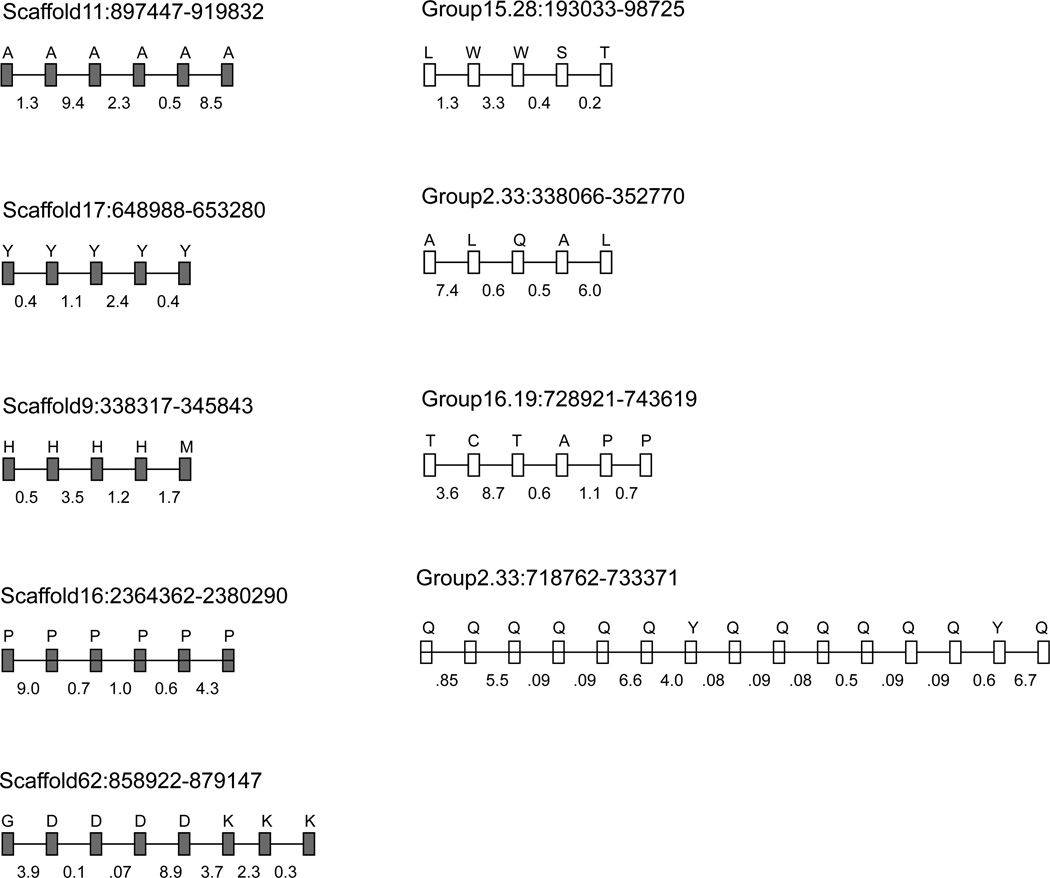
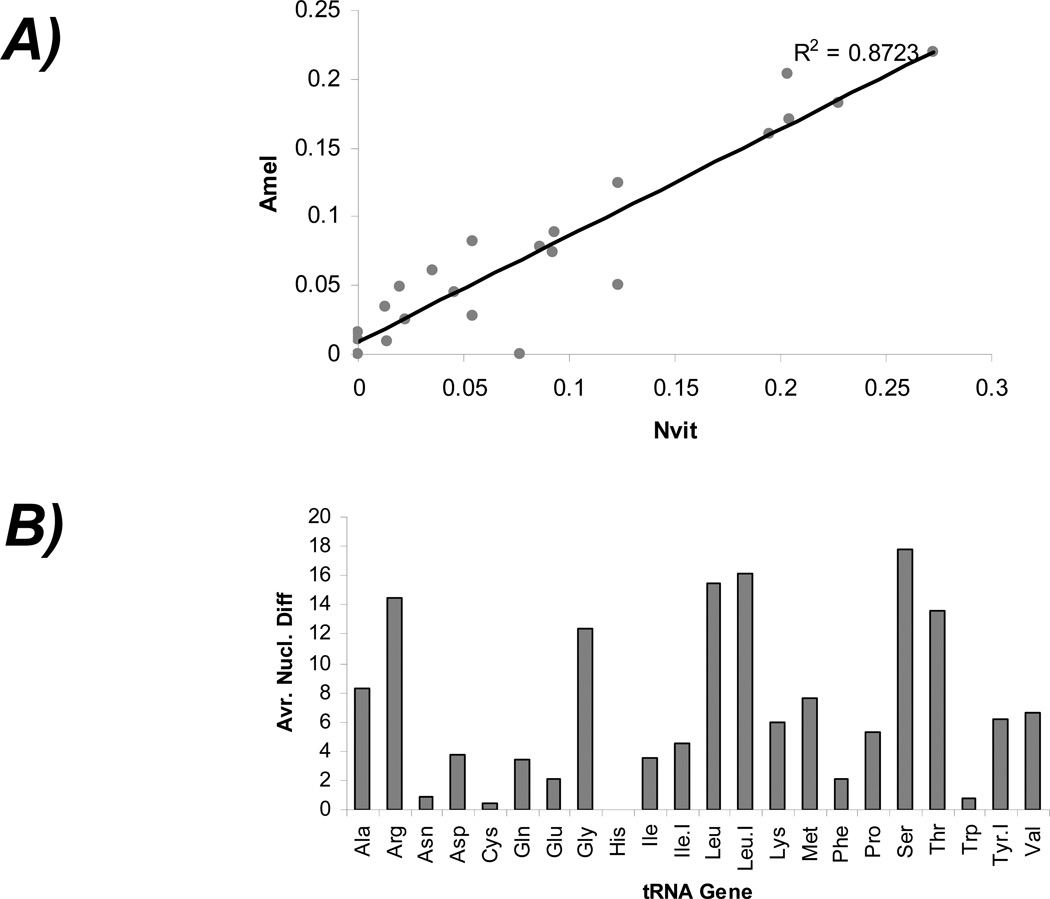
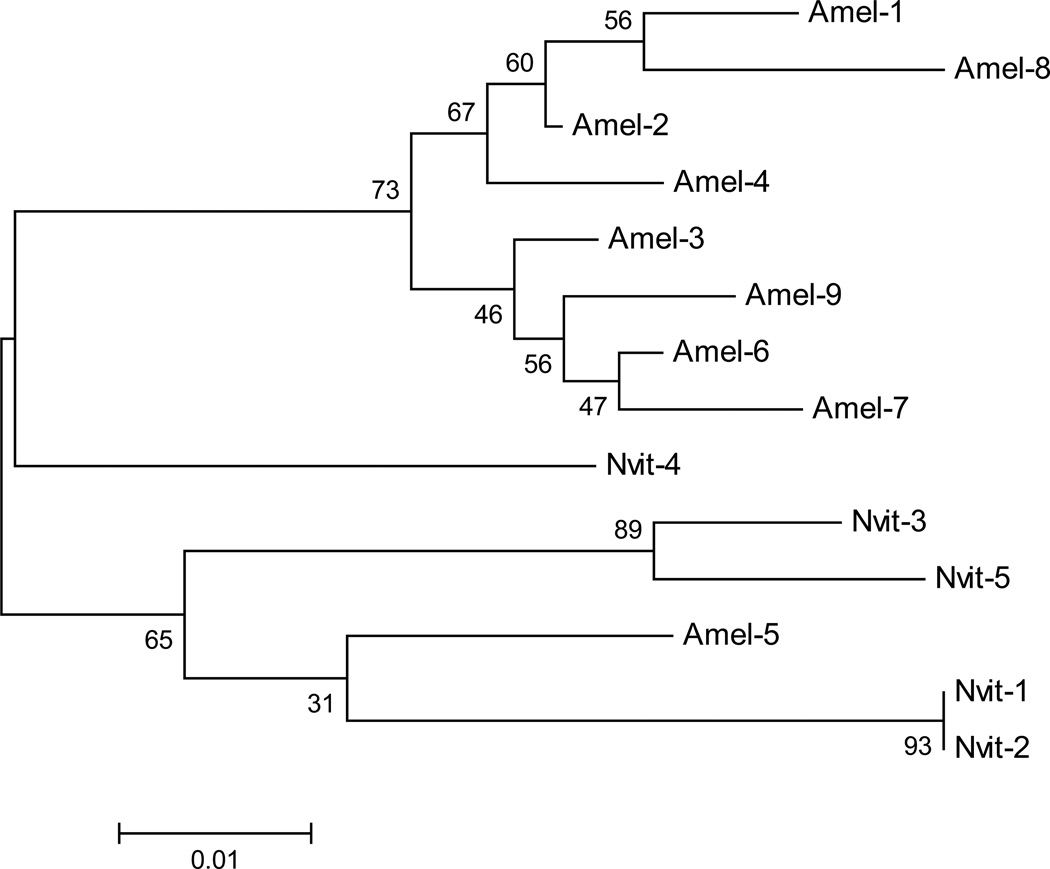
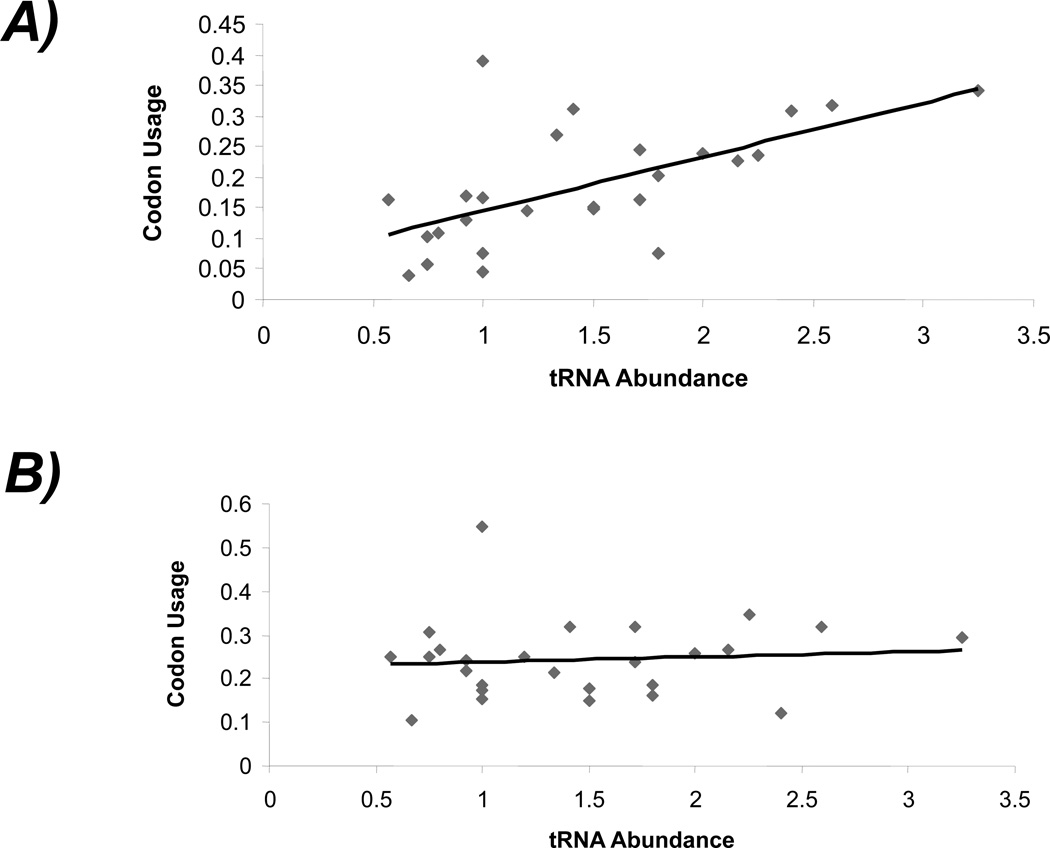
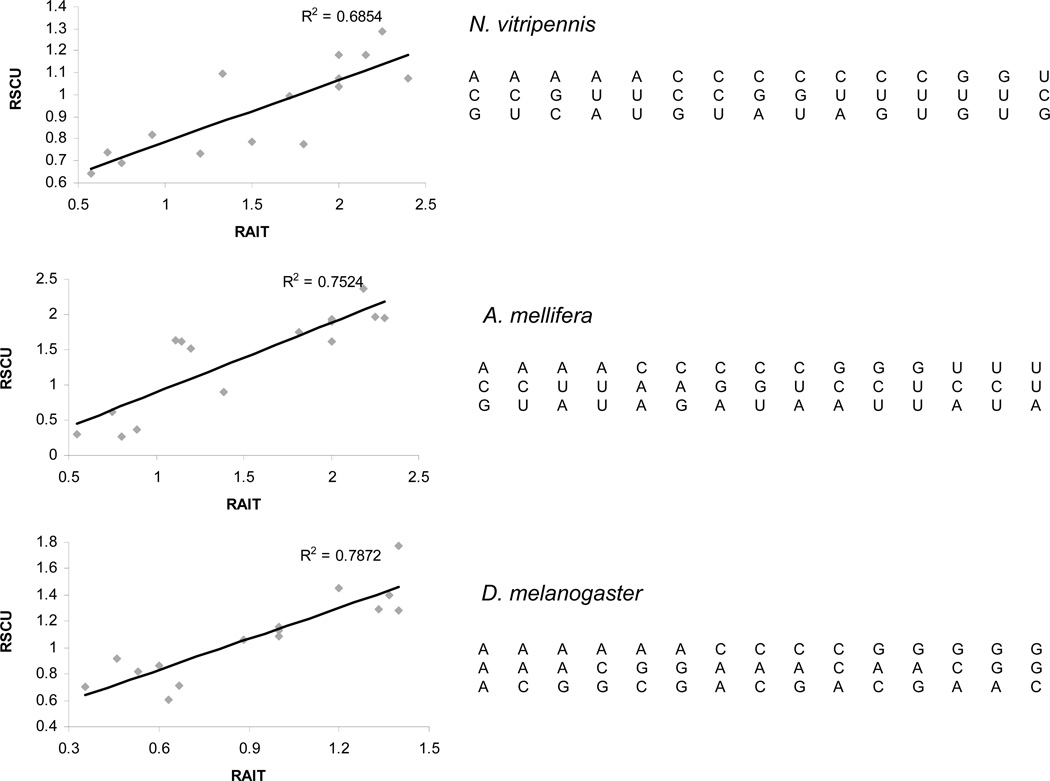
Using bioinformatics methods, we identified a total of 221 and 199 tRNA genes in the nuclear genomes of Nasonia vitripennis and honey bee (Apis mellifera), respectively. We performed comparative analyses of Nasonia tRNA genes with honey bee and other selected insects to understand genomic distribution, sequence evolution and relationship of tRNA copy number with codon usage patterns. Many tRNA genes are located physically close to each other in the form of small clusters in the Nasonia genome. However, the number of clusters and the tRNA genes that form such clusters vary from species to species. In particular, the Ala-, Pro-, Tyr- and His-tRNA genes tend to accumulate in clusters in Nasonia but not in honey bee, whereas the bee contains a long cluster of 15 tRNA genes (of which 13 are Gln-tRNAs) that is absent in Nasonia. Though tRNA genes are highly conserved, contrasting patterns of nucleotide diversity are observed among the arm and loop regions of tRNAs between Nasonia and honey bee. Also, the sequence convergence between the reconstructed ancestral tRNAs and the present day tRNAs suggests a common ancestral origin of Nasonia and honey bee tRNAs. Furthermore, we also present evidence that the copy number of isoacceptor tRNAs (those having a different anticodon but charge the same amino acid) is correlated with codon usage patterns of highly expressed genes in Nasonia.
Figures
References
-
- Altman S. A view of RNase P. Mol Biosyst. 2007;3:604–607. - PubMed
-
- Altschul SF, Gish W, Miller W, Myers EW, Lipman DJ. Basic local alignment search tool. J Mol Biol. 1990;215:403–410. - PubMed
-
- Ben-Dor A, Bruhn L, Friedman N, Nachman I, Schummer M, Yakhini Z. Tissue classification with gene expression profiles. J Comput Biol. 2007;7:559–583. - PubMed
Publication types
MeSH terms
Substances
Grants and funding
LinkOut - more resources
Full Text Sources
