. 2010 Feb 19;5(2):e9310.
doi: 10.1371/journal.pone.0009310.

In vitro and ex vivo testing of tenofovir shows it is effective as an HIV-1 microbicide

Affiliations

In vitro and ex vivo testing of tenofovir shows it is effective as an HIV-1 microbicide

Lisa C Rohan et al. PLoS One. .

Abstract

Background: Tenofovir gel has entered into clinical trials for use as a topical microbicide to prevent HIV-1 infection but has no published data regarding pre-clinical testing using in vitro and ex vivo models. To validate our findings with on-going clinical trial results, we evaluated topical tenofovir gel for safety and efficacy. We also modeled systemic application of tenofovir for efficacy.

Methods and findings: Formulation assessment of tenofovir gel included osmolality, viscosity, in vitro release, and permeability testing. Safety was evaluated by measuring the effect on the viability of vaginal flora, PBMCs, epithelial cells, and ectocervical and colorectal explant tissues. For efficacy testing, PBMCs were cultured with tenofovir or vehicle control gels and HIV-1 representing subtypes A, B, and C. Additionally, polarized ectocervical and colorectal explant cultures were treated apically with either gel. Tenofovir was added basolaterally to simulate systemic application. All tissues were challenged with HIV-1 applied apically. Infection was assessed by measuring p24 by ELISA on collected supernatants and immunohistochemistry for ectocervical explants. Formulation testing showed the tenofovir and vehicle control gels were >10 times isosmolar. Permeability through ectocervical tissue was variable but in all cases the receptor compartment drug concentration reached levels that inhibit HIV-1 infection in vitro. The gels were non-toxic toward vaginal flora, PBMCs, or epithelial cells. A transient reduction in epithelial monolayer integrity and epithelial fracture for ectocervical and colorectal explants was noted and likely due to the hyperosmolar nature of the formulation. Tenofovir gel prevented HIV-1 infection of PBMCs regardless of HIV-1 subtype. Topical and systemic tenofovir were effective at preventing HIV-1 infection of explant cultures.

Conclusions: These studies provide a mechanism for pre-clinical prediction of safety and efficacy of formulated microbicides. Tenofovir was effective against HIV-1 infection in our algorithm. These data support the use of tenofovir for pre-exposure prophylaxis.


Conflict of interest statement

Competing Interests: JFR is an employee of Gilead Sciences, and DF is an employee of CONRAD; both provided tenofovir and vehicle control gels and tenofovir drug. Neither Gilead nor CONRAD has provided funding for this study. Both supplied study product only that was evaluated. This will not affect the authors' ability to share data. The remaining authors have no competing interests.

Figures

Figure 1
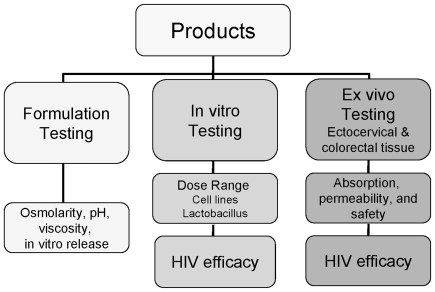
Figure 1. Microbicide pre-clinical testing algorithm.
Tenofovir and vehicle control gels were evaluated through a comprehensive pre-clinical algorithm. The algorithm focuses on testing the formulation's physiochemical properties and the ability to release the drug; in vitro testing that includes safety of vaginal flora, epithelial and immune cells, and efficacy against multiple HIV-1 clades; and ex vivo testing using ectocervical and colorectal explants to evaluate drug absorption and formulation safety and efficacy against HIV-1. The data obtained from this algorithm along with data supplied by the manufacturer aid in the decision to continue testing the product.
Figure 2
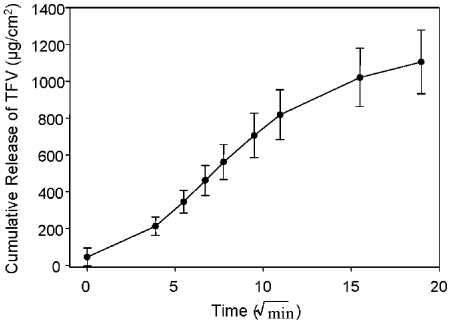
Figure 2. Tenofovir releases from the formulated gel.
The in vitro release data show the release profile of tenofovir from the gel; the slope of the line represents the release rate of the product. The data shown represent the mean ± standard deviation of 13 replicates.
Figure 3
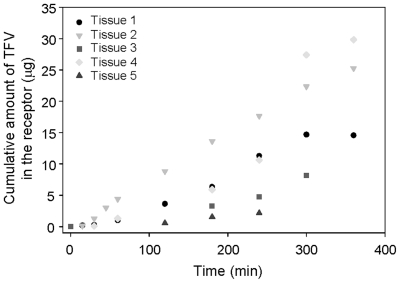
Figure 3. Tenofovir permeates through ectocervical tissue.
Tissue permeability data is shown as the cumulative amount of tenofovir which permeated through excised human ectocervical tissue into the receptor chamber of a Franz cell over time. The permeability data represent five separate tissue donors. Tissue permeability data illustrate the intra- and inter-patient variability.
Figure 4
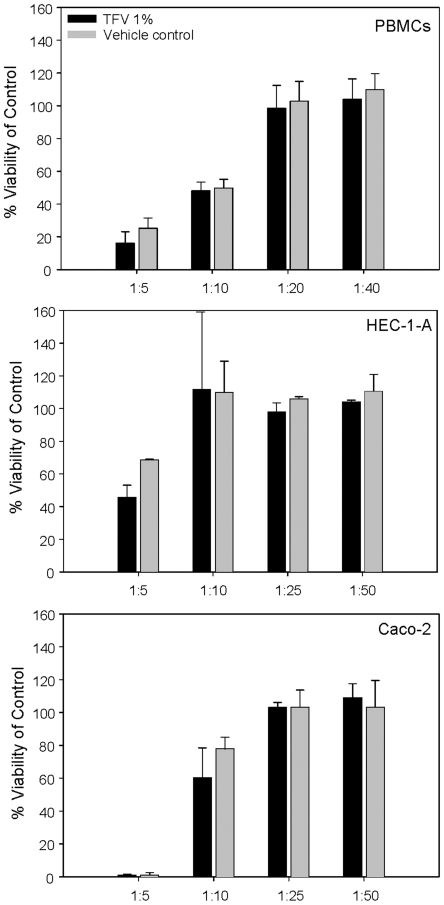
Figure 4. Viability of peripheral blood mononuclear cells (PBMCs) and epithelial cell lines after culture with tenofovir gel.
PBMCs or epithelial cell lines (HEC-1-A or Caco-2) were cultured for 24 hours in dilutions of tenofovir or vehicle control gel. Dilutions were made in the appropriate medium for each cell type. Cell viability was measured using CellTiter-Glo® according to the manufacturer's instructions and was calculated as described in the Methods section. The dilution that was used for subsequent work was the lowest dilution to result in ≥60% viability of the cells. The data shown represent the mean ± standard deviation of 5 independent experiments performed in triplicate.
Figure 5
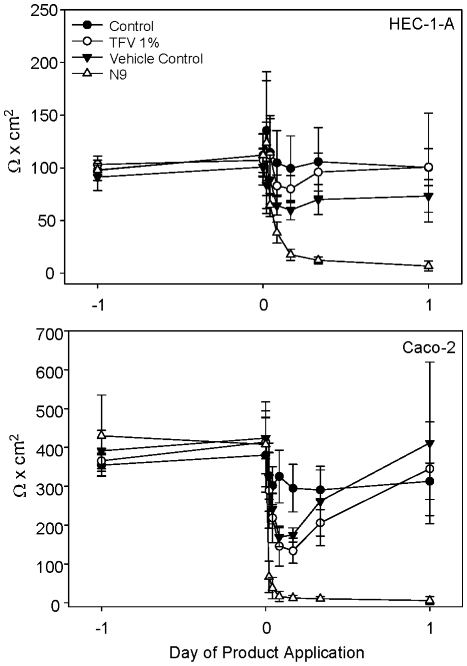
Figure 5. Tenofovir and vehicle control gels transiently reduced epithelial monolayer integrity.
HEC-1-A (upper panel) and Caco-2 (lower panel) cells were grown in transwell supports until they formed stable monolayers. A 1:10 dilution of tenofovir or vehicle control gels were added to the apical chamber at t = 0 and resistance readings were measured at 30 min, 1, 2, 4, 8, and 24 h. As a toxicity control, a 1:50 dilution (0.6 mg/ml) of nonoxynol-9 (N9) gel was added to the indicated apical chambers and resistance readings were measured. The data shown represent the mean ± standard deviation of 3 independent experiments performed in duplicate.
Figure 6
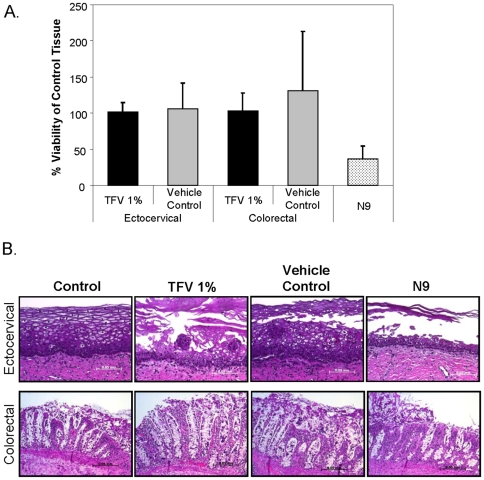
Figure 6. Viability of explant cultures after a 24 hour exposure to tenofovir or vehicle control gels.
Ectocervical and colorectal explants were polarized and tenofovir or vehicle control gels were diluted 1:5 in the appropriate culture medium and applied to the apical surface. A 1:5 dilution of nonoxynol-9 (N9) was applied apically to the explants at the same time as the tenofovir and vehicle control gels as a toxicity control. Untreated explants were the negative control tissues. The explants were cultured for 24 h, washed five times, and placed in either medium containing 1-(4,5-dimethylthiazol-2-yl)-3,5-diphenylformazan (MTT) to assess tissue viability by measuring mitochondrial activity (A) or formalin to fix the tissue for hematoxylin-eosin staining for histology (original magnification 20×; bar length 0.05 mm) (B). Explants from five tissue donors were evaluated for viability after exposure to topical gels. The % viability was determined by dividing the corrected optical density of the treated explant by the corrected optical density of the control explant. Histology shown is representative of the five tissues evaluated.
Figure 7
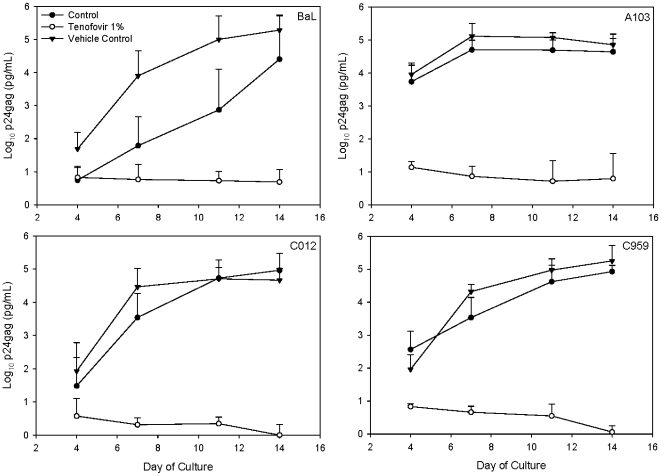
Figure 7. Efficacy of tenofovir against primary isolates of HIV-1.
Peripheral blood mononuclear cells were activated and cultured with HIV-1 (BaL, laboratory-adapted CCR5-using clade B isolate; A103, primary CCR5/CXCR4-using clade A isolate; C012, primary CCR5-using clade C isolate; and C959, primary CCR5-using clade C isolate) with or without tenofovir or vehicle control gel. After 4 hours, the cultures were washed and fresh medium was added. Supernatant was collected every 3 to 4 days and stored at -80°C. HIV-1 infection was followed using a p24gag ELISA. The data shown represent the log10-transformed (pg/mL) ±95% confidence interval of 4 (BaL) or 5 (A103, C012, and C959) independent experiments.
Figure 8
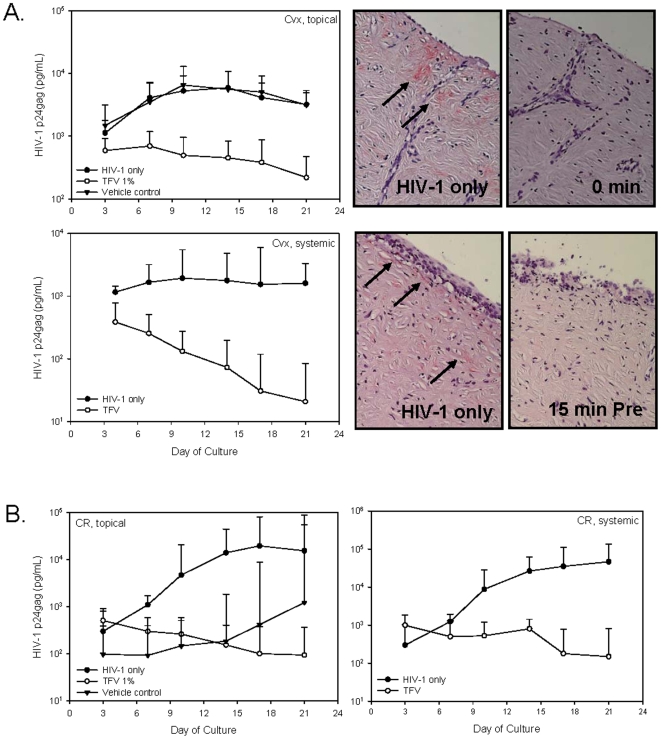
Figure 8. Tenofovir applied topically or systemically protect ectocervical and colorectal explants from HIV-1 infection.
Tenofovir or vehicle control gels were mixed with HIV-1BaL and applied to the apical side of ectocervical (A) or colorectal (B) explants. In a separate study to simulate systemic dosing, tenofovir (1 mg/ml) was added to the basolateral side of the explants 15 min prior to the addition of HIV-1BaL to the apical side of the tissue. After an overnight incubation, the explants were washed and cultured for 21 days with medium sampled and replaced every 3 to 4 days. HIV-1 replication was monitored in the supernatants using a p24gag ELISA. The data shown represent the median ±95% confidence interval of a minimum of 3 independent tissues performed in duplicate. The wide confidence intervals reflect the p24 variability between tissue donors. For ectocervical tissue, immunohistochemistry for p24gag positive cells of the day 21 explants was done and representative pictures are shown. Arrows indicate p24gag positive cells.
Figure 9
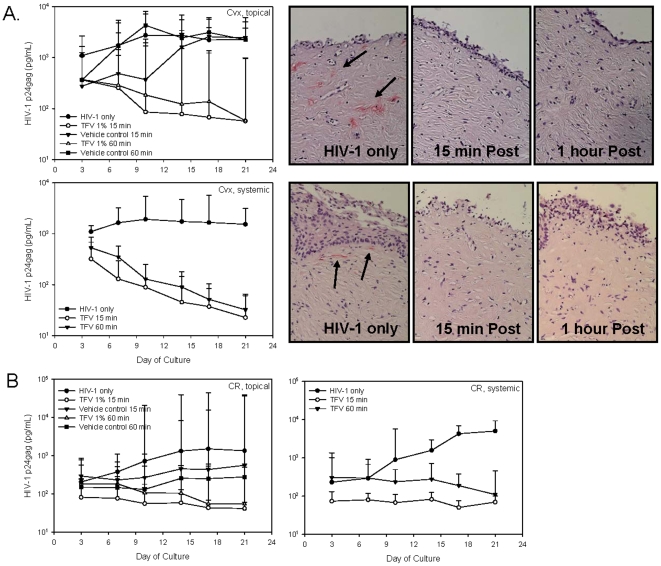
Figure 9. Tenofovir protects ectocervical and colorectal explants up to 60 minutes after HIV-1 exposure.
Ectocervical (A) and colorectal (B) explants were apically treated with HIV-1BaL; 15 min or 60 min later tenofovir or vehicle control gels were applied to the apical surface or tenofovir (1 mg/ml) was added to the basolateral side of the explants. After incubating overnight, the explants were washed and cultured for 21 days with medium sampled and replaced every 3 to 4 days. HIV-1 replication was monitored in the supernatants using a p24gag ELISA. The data shown represent the median ±95% confidence interval of a minimum of 3 independent tissues performed in duplicate. The wide confidence intervals reflect the p24 variability between tissue donors. For ectocervical tissue, immunohistochemistry for p24gag positive cells of the day 21 explants was done and representative pictures are shown. Arrows indicate p24gag positive cells.

References

    1. UNAIDS/WHO. Geneva: UNAIDS.; 2008. Report on global AIDS epidemic.362
    1. Gray RH, Wawer MJ, Polis CB, Kigozi G, Serwadda D. Male Circumcision and Prevention of HIV and Sexually Transmitted Infections. Curr Infect Dis Rep. 2008;10:121–127. - PubMed
    1. Mills E, Cooper C, Anema A, Guyatt G. Male circumcision for the prevention of heterosexually acquired HIV infection: a meta-analysis of randomized trials involving 11,050 men. HIV Med. 2008;9:332–335. - PubMed
    1. Steinbrook R. One step forward, two steps back–will there ever be an AIDS vaccine? N Engl J Med. 2007;357:2653–2655. - PubMed
    1. Celum C, Wald A, Hughes J, Sanchez J, Reid S, et al. Effect of aciclovir on HIV-1 acquisition in herpes simplex virus 2 seropositive women and men who have sex with men: a randomised, double-blind, placebo-controlled trial. Lancet. 2008;371:2109–2119. - PMC - PubMed

Publication types

MeSH terms