


Immunologic endocrine disorders
- PMID: 20176260
- PMCID: PMC2835296
- DOI: 10.1016/j.jaci.2009.09.053
Immunologic endocrine disorders
Abstract
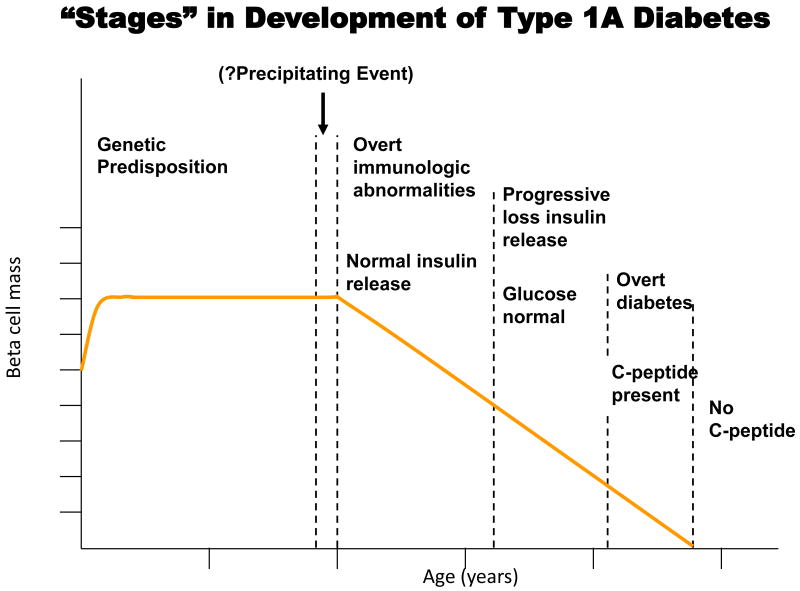
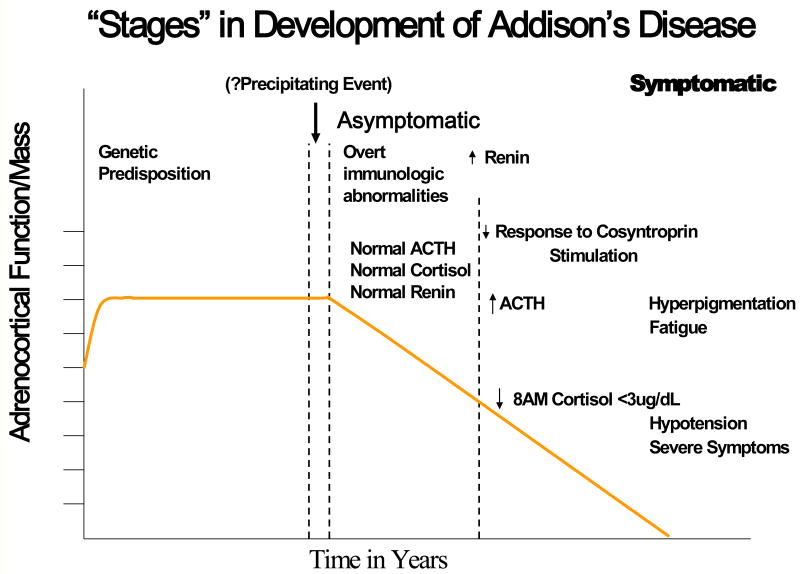
Autoimmunity affects multiple glands in the endocrine system. Animal models and human studies highlight the importance of alleles in HLA-like molecules determining tissue-specific targeting that, with the loss of tolerance, leads to organ-specific autoimmunity. Disorders such as type 1A diabetes, Graves disease, Hashimoto thyroiditis, Addison disease, and many others result from autoimmune-mediated tissue destruction. Each of these disorders can be divided into stages beginning with genetic susceptibility, environmental triggers, active autoimmunity, and finally metabolic derangements with overt symptoms of disease. With an increased understanding of the immunogenetics and immunopathogenesis of endocrine autoimmune disorders, immunotherapies are becoming prevalent, especially in patients with type 1A diabetes. Immunotherapies are being used more in multiple subspecialty fields to halt disease progression. Although therapies for autoimmune disorders stop the progress of an immune response, immunomodulatory therapies for cancer and chronic infections can also provoke an unwanted immune response. As a result, there are now iatrogenic autoimmune disorders arising from the treatment of chronic viral infections and malignancies.
Copyright 2010 American Academy of Allergy, Asthma & Immunology. Published by Mosby, Inc. All rights reserved.
Figures
References
-
- Diagnosis and classification of diabetes mellitus. Diab care. 2008 January; 1:31. S55–S60. - PubMed
-
- Harjutsalo V, Sjoberg L, Tuomilehto J. Time trends in the incidence of type 1 diabetes in Finnish children: a cohort study. Lancet. 2008 May 24;371(9626):1777–82. - PubMed
-
- Erlich H, Valdes AM, Noble J, Carlson JA, Varney M, Concannon P, Mychaleckyj JC, Todd JA, Bonella P, Fear AL, Lavant E, Louey A, Moonsamy P. HLA DR-DQ Haplotypes and Genotypes and Type 1 Diabetes Risk: Analysis of the Type 1 Diabetes Genetics Consortium Families. Diabetes. 2008 February 5;57:1084–92. - PMC - PubMed
-
- Murphy R, Ellard S, Hattersley AT. Clinical implications of a molecular genetic classification of monogenic beta-cell diabetes. Nat Clin Pract Endocrinol Metab. 2008 April;4(4):200–13. - PubMed
-
- Redondo MJ, Jeffrey J, Fain PR, Eisenbarth GS, Orban T. Concordance for islet autoimmunity among monozygotic twins. N Engl J Med. 2008 December 25;359(26):2849–50. - PubMed
Publication types
MeSH terms
Substances
Grants and funding
- N01 AI015416/AI/NIAID NIH HHS/United States
- M01 RR000069/RR/NCRR NIH HHS/United States
- MO1 RR00069/RR/NCRR NIH HHS/United States
- R37 DK032493/DK/NIDDK NIH HHS/United States
- P30 DK57516/DK/NIDDK NIH HHS/United States
- M01 RR000051/RR/NCRR NIH HHS/United States
- R37 DK032083/DK/NIDDK NIH HHS/United States
- MO1 RR00051/RR/NCRR NIH HHS/United States
- DK057538/DK/NIDDK NIH HHS/United States
- AI50964/AI/NIAID NIH HHS/United States
- P30 DK057516/DK/NIDDK NIH HHS/United States
- R01 DK032083/DK/NIDDK NIH HHS/United States
- AI15416/AI/NIAID NIH HHS/United States
- DK32493/DK/NIDDK NIH HHS/United States
- DK32083/DK/NIDDK NIH HHS/United States
- R01 DK057538/DK/NIDDK NIH HHS/United States
- R01 DK032493/DK/NIDDK NIH HHS/United States
LinkOut - more resources
Full Text Sources
Medical
Research Materials
