


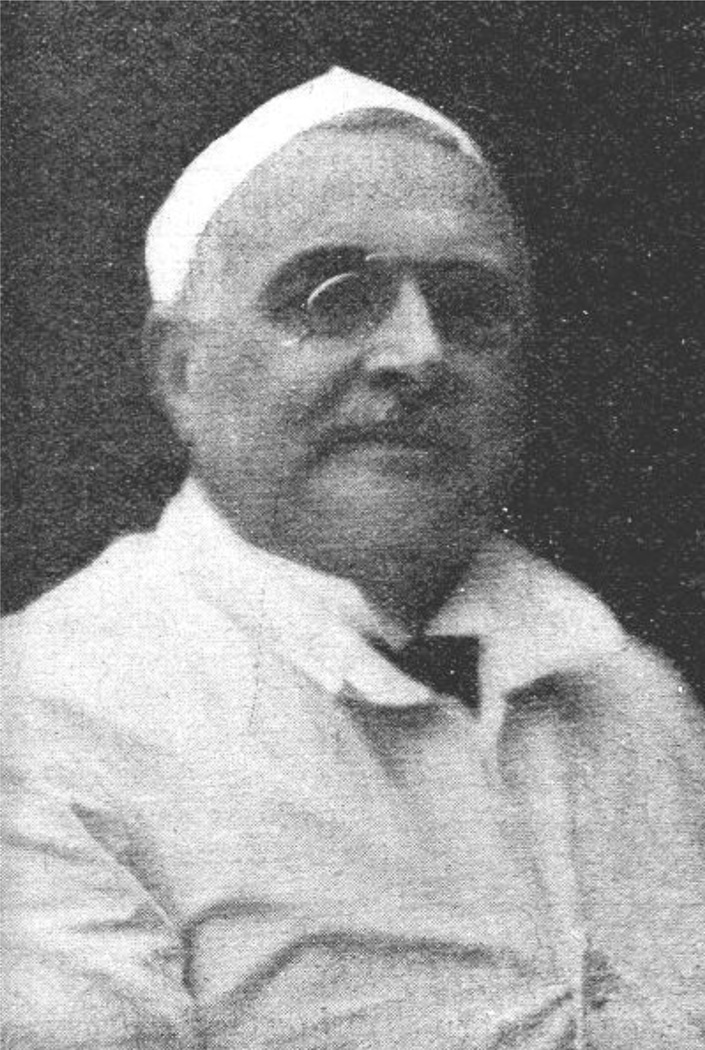
Eugène Apert and his contributions to plastic surgery
- PMID: 20179491
- PMCID: PMC4384443
- DOI: 10.1097/SAP.0b013e3181b0bb53
Eugène Apert and his contributions to plastic surgery
Abstract
French pediatrician Eugène Apert is best known for his 1906 description of the eponymous Apert Syndrome: the widely recognized congenital condition that is known as acrocephalosyndactyly, which is characterized by distinct craniofacial deformities and bilateral syndactyly of the hands and feet. Subsequent efforts to study and treat this condition have led to contributions from numerous medical and surgical specialties under the guidance of plastic surgery. Apert's influence on medicine, however, extends far beyond what can be appreciated by the impact of his eponymous syndrome. Considered one of France's eminent pediatricians, Apert additionally made important contributions to the study of adult diseases. He was also a founding member of the French Eugenics Society, serving as its secretary general and president in a tenure that lasted for most of his career. Apert's medical contributions within the context of this scientific ideology make him an important and potentially controversial figure in medicine.
Figures
References
-
- Steffen C. The man behind the eponym. Eugène Apert (1868–1940) The American journal of dermatopathology. 1984;6(3):223–224. - PubMed
-
- Apert E. Lepurpura : sapathogénie et celle de ses diverses varietés cliniques. Paris: 1897.
-
- Roux-Dessarps A. Eugène Apert (1868–1940) Nourisson. 1940;28:134–136.
-
- Stévenin H. Eugène Apert (1868–1940) Presse Medicale. 1940;49–50:566–567.
-
- Apert E. De l'acrocéphalosyndactylie. Bulletins et mémoires de la Société medicale des hôpitaux de Paris. 1906;23:1310.
Publication types
MeSH terms
Personal name as subject
- Actions
