


From bench to bedside: the growing use of translational research in cancer medicine
- PMID: 20182579
- PMCID: PMC2826819
From bench to bedside: the growing use of translational research in cancer medicine
Abstract
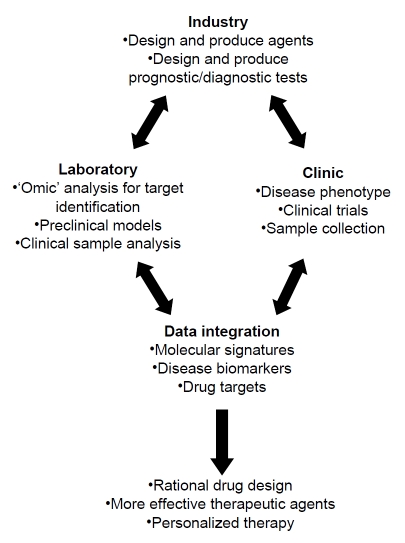
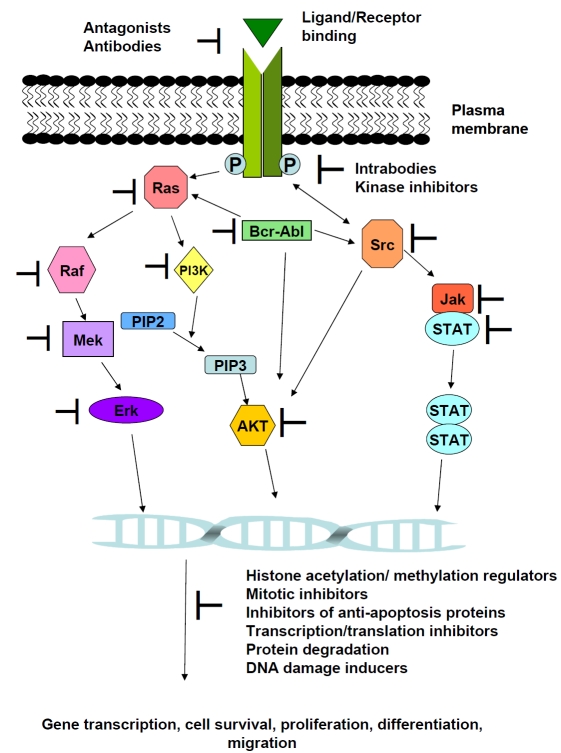
Cancer is responsible for one in eight deaths worldwide, with more than twelve million new cases diagnosed yearly. A large percentage of patients die after developing cancer despite aggressive treatment, indicating a need for new approaches to cancer therapy. The push for development of novel diagnostic and therapeutic agents has allowed translational cancer research to flourish. Genomic and proteomic technologies have generated an enormous amount of information critical to expanding our understanding of cancer biology. New research on the differences between normal and malignant cell biology has paved the way for the development of drugs targeted to specific biological molecules, potentially increasing antitumor efficacy while minimizing the toxicity to the patient that is seen with conventional therapeutics. Current targets in include regulators of cell cycle, angiogenesis, apoptosis, DNA repair, and growth factors and their receptors. Collaboration among researchers, clinicians, and pharmaceutical companies is vital to conducting clinical trials to translate laboratory findings into clinically applicable therapeutics. In this review, we discuss current therapeutic approaches and present an introduction to a wide range of topics undergoing investigation in an effort to highlight the importance of translational research in the development of clinically relevant therapeutic strategies.
Keywords: Translational medicine; cancer; from bench to bedside; individualized therapy; translational research.
Figures
References
-
- Chaber BA, Boral AL, Multani P. Translational Research: Walking the Bridge Between Idea and Cure- Seventeenth Bruce F. Cain Memorial Award Lecture. Cancer Res. 1998;58:4211–4216. - PubMed
-
- Gibbs JB. Mechanism-Based Target Identification and Drug Discovery in Cancer Research. Science. 2000;287:1969–1973. - PubMed
-
- Saijo N. Translational Study in Cancer. Int Med. 2002;41:770–773. - PubMed
-
- Saijo N, Nishio K, Tamura T. Translational and clinical studies of target-based cancer therapy. Int J Clin Oncol. 2003;8:187–192. - PubMed
-
- Woolf SH. The Meaning of Translational Research and Why It Matters. JAMA. 2008;299:211–213. - PubMed
Grants and funding
LinkOut - more resources
Full Text Sources
Other Literature Sources