


The use of Complementary and Alternative Medicine by women experiencing menopausal symptoms in Bologna
- PMID: 20187964
- PMCID: PMC2846842
- DOI: 10.1186/1472-6874-10-7
The use of Complementary and Alternative Medicine by women experiencing menopausal symptoms in Bologna
Abstract
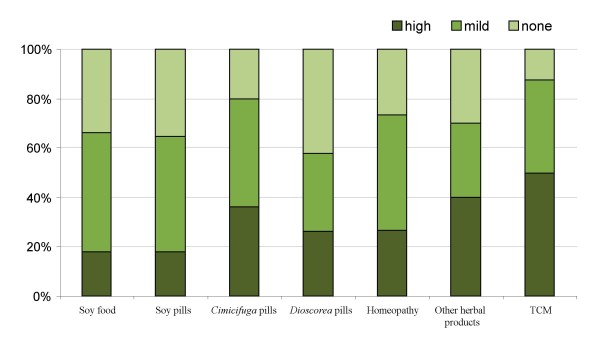
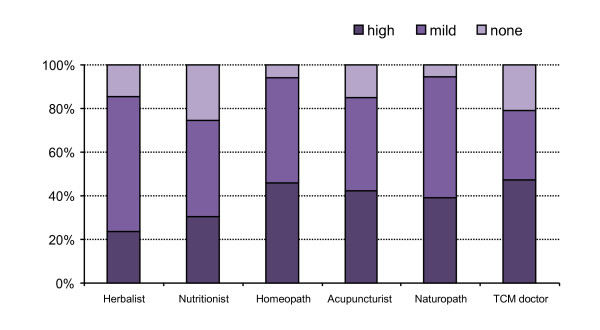
Background: The present study describes Complementary and Alternative Medicine (CAM) use amongst Italian women transitioning through menopause. Popularity and perceived effectiveness of CAM treatments, use of pharmaceutical medications, characteristics of CAM users, the extent of communication between medical practitioners and women about their use of CAM, and variables associated with CAM use were also investigated.
Methods: Women, aged 45-65 years attending Family Planning and Women's Health clinics or Menopause Centres in Bologna were invited to complete a voluntary, anonymous, self administered questionnaire, which was used in a previous study in Sydney. The questionnaire was translated and adapted for use amongst Italian women. Data on general demographic and health characteristics, menopause related symptoms and the use of CAM and pharmaceutical treatments during the previous 12 months were collected.
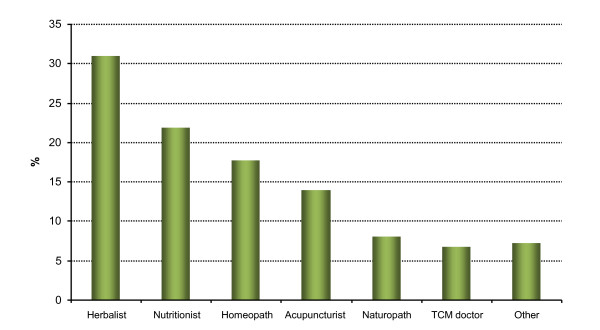
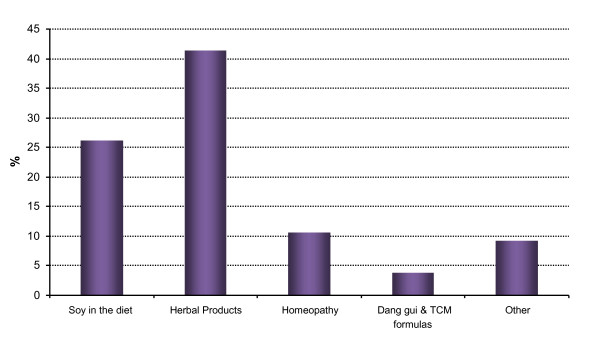
Results: In total, 1,203 women completed the survey, of which 1,106 were included in the final sample. Of women who had symptoms linked with menopause and/or used remedies to alleviate symptoms, 33.5% reported to have used CAM. Among these, 23.5% had consulted one or more practitioners and 24% had used at least one CAM product.Approximately nine out of ten respondents reported medical practitioners did not seek information about their use of CAM; while one third of CAM users did not disclose the use of CAM to their physician. Nevertheless, medical practitioners were the most popular source of information. From the multivariate analysis, variables associated with CAM use were: professional employment, time since the last natural menses, use of CAM for conditions other than menopause, and presence of some severe symptoms.
Conclusions: The relatively high prevalence of CAM use by women transitioning through menopause should encourage research initiatives into determining which CAM treatments are the safest and effective. The increasing and likely concomitant use of CAM with HRT and other pharmaceuticals underlines the need for the implementation of a surveillance system to report and monitor possible drug-herb adverse events. The discrepancy between women preferring to seek information about CAM from their medical doctor and the difficulties noted in communication between doctor and patient should encourage educational initiatives on CAM by health-care agencies and institutions.
Figures
References
-
- MacLennan A, Lester S, Moore V. Oral estrogen replacement therapy versus placebo for hot flushes: a systematic review. Climacteric. 2001;4:58–74. - PubMed
MeSH terms
LinkOut - more resources
Full Text Sources
Medical
