


Cannabinoids as novel anti-inflammatory drugs
- PMID: 20191092
- PMCID: PMC2828614
- DOI: 10.4155/fmc.09.93
Cannabinoids as novel anti-inflammatory drugs
Abstract
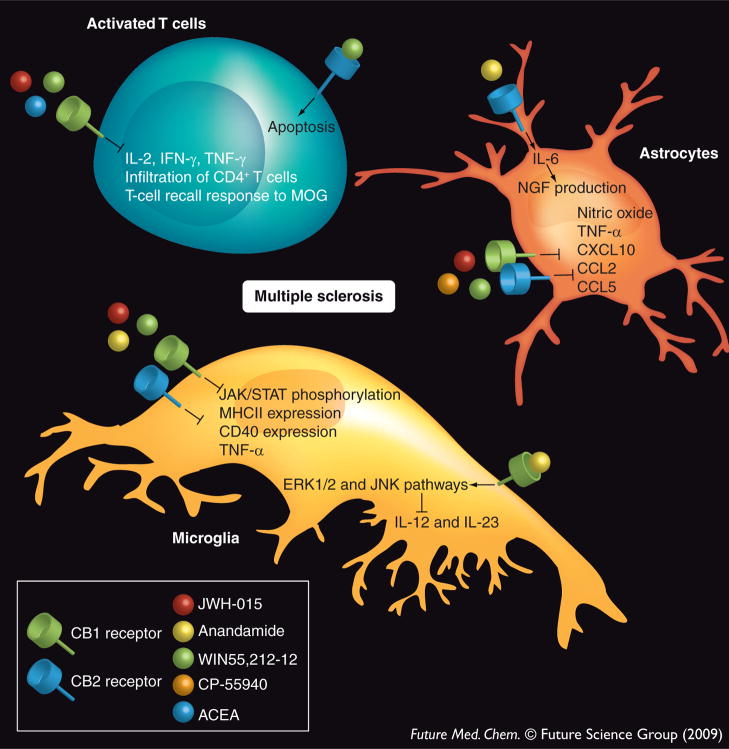
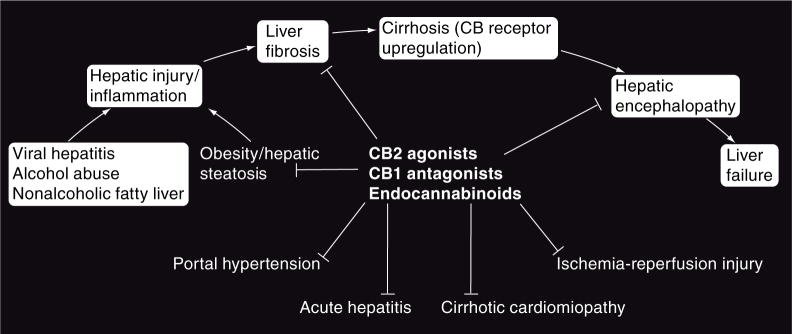
Cannabinoids are a group of compounds that mediate their effects through cannabinoid receptors. The discovery of Δ9-tetrahydrocannabinol (THC) as the major psychoactive principle in marijuana, as well as the identification of cannabinoid receptors and their endogenous ligands, has led to a significant growth in research aimed at understanding the physiological functions of cannabinoids. Cannabinoid receptors include CB1, which is predominantly expressed in the brain, and CB2, which is primarily found on the cells of the immune system. The fact that both CB1 and CB2 receptors have been found on immune cells suggests that cannabinoids play an important role in the regulation of the immune system. Recent studies demonstrated that administration of THC into mice triggered marked apoptosis in T cells and dendritic cells, resulting in immunosuppression. In addition, several studies showed that cannabinoids downregulate cytokine and chemokine production and, in some models, upregulate T-regulatory cells (Tregs) as a mechanism to suppress inflammatory responses. The endocannabinoid system is also involved in immunoregulation. For example, administration of endocannabinoids or use of inhibitors of enzymes that break down the endocannabinoids, led to immunosuppression and recovery from immune-mediated injury to organs such as the liver. Manipulation of endocannabinoids and/or use of exogenous cannabinoids in vivo can constitute a potent treatment modality against inflammatory disorders. This review will focus on the potential use of cannabinoids as a new class of anti-inflammatory agents against a number of inflammatory and autoimmune diseases that are primarily triggered by activated T cells or other cellular immune components.
Figures
References
-
- Guzman M. Cannabinoids: potential anticancer agents. Nat Rev Cancer. 2003;3:745–755. - PubMed
-
- Inui A. Cancer anorexia-cachexia syndrome: current issues in research and management. CA Cancer J Clin. 2002;52:72–91. - PubMed
-
- Pollmann W, Feneberg W. Current management of pain associated with multiple sclerosis. CNS Drugs. 2008;22:291–324. - PubMed
-
- Croxford JL, Yamamura T. Cannabinoids and the immune system: potential for the treatment of inflammatory diseases? J Neuroimmunol. 2005;166:3–18. - PubMed
Publication types
MeSH terms
Substances
Grants and funding
- R01 ES009098/ES/NIEHS NIH HHS/United States
- R01ES09098/ES/NIEHS NIH HHS/United States
- R01HL058641/HL/NHLBI NIH HHS/United States
- P01 AT003961/AT/NCCIH NIH HHS/United States
- R01AI058300/AI/NIAID NIH HHS/United States
- R01 DA016545/DA/NIDA NIH HHS/United States
- R01DA016545/DA/NIDA NIH HHS/United States
- R01 AI053703/AI/NIAID NIH HHS/United States
- R01AI053703/AI/NIAID NIH HHS/United States
- R01 HL058641/HL/NHLBI NIH HHS/United States
- P01AT003961/AT/NCCIH NIH HHS/United States
- R01 AI058300/AI/NIAID NIH HHS/United States
LinkOut - more resources
Full Text Sources
Other Literature Sources
Medical
