Interpreting metabolomic profiles using unbiased pathway models
- PMID: 20195502
- PMCID: PMC2829050
- DOI: 10.1371/journal.pcbi.1000692
Interpreting metabolomic profiles using unbiased pathway models
Abstract
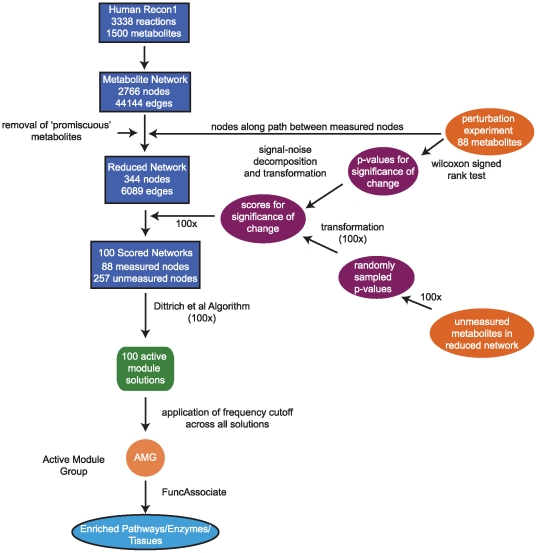
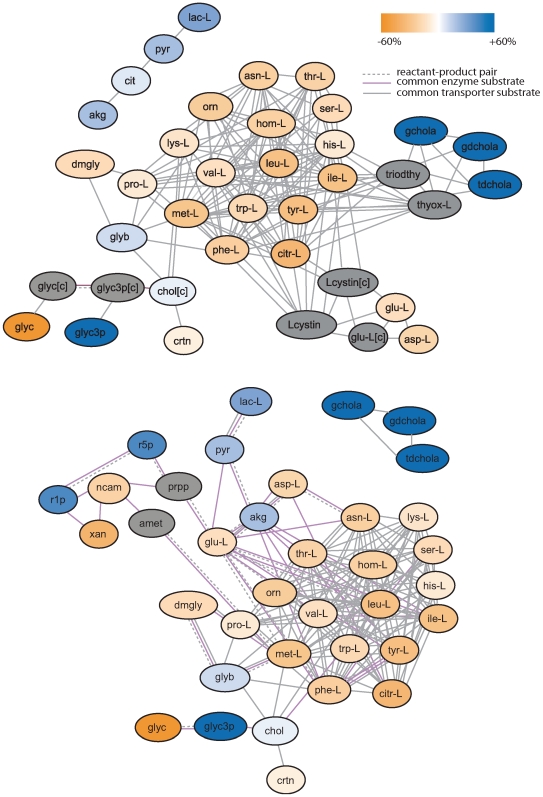
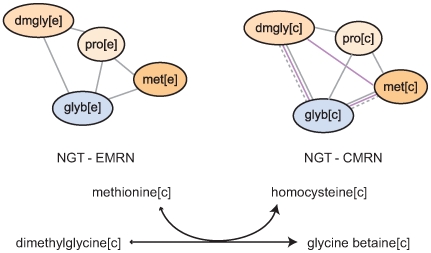
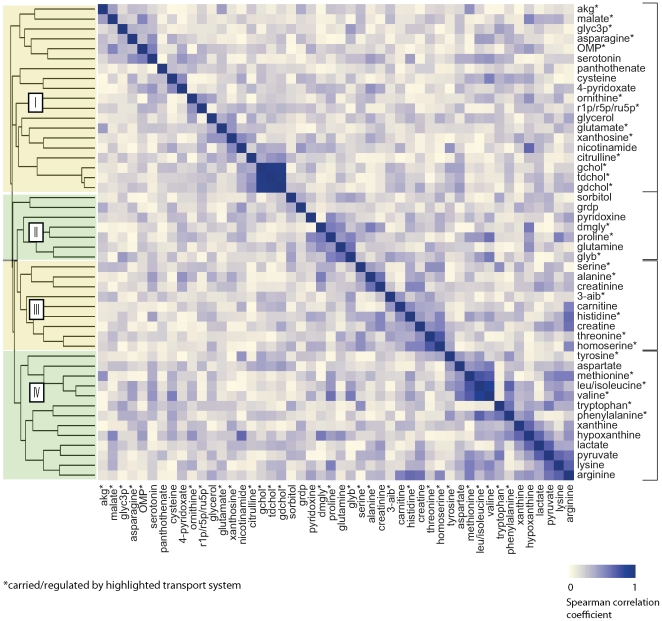
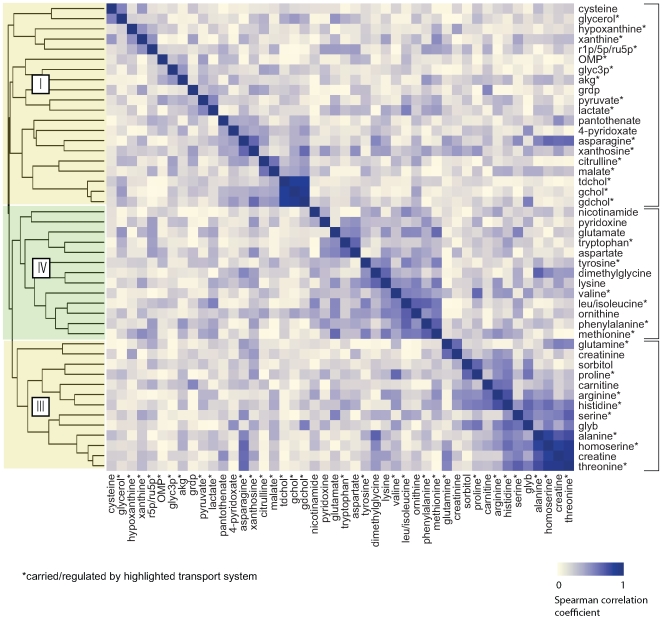
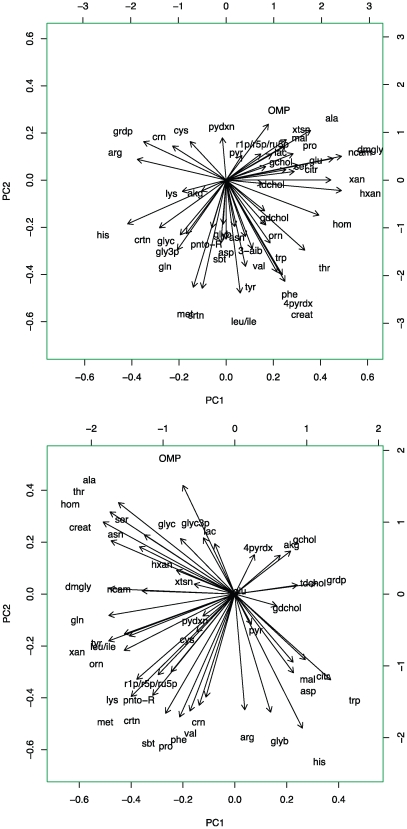
Human disease is heterogeneous, with similar disease phenotypes resulting from distinct combinations of genetic and environmental factors. Small-molecule profiling can address disease heterogeneity by evaluating the underlying biologic state of individuals through non-invasive interrogation of plasma metabolite levels. We analyzed metabolite profiles from an oral glucose tolerance test (OGTT) in 50 individuals, 25 with normal (NGT) and 25 with impaired glucose tolerance (IGT). Our focus was to elucidate underlying biologic processes. Although we initially found little overlap between changed metabolites and preconceived definitions of metabolic pathways, the use of unbiased network approaches identified significant concerted changes. Specifically, we derived a metabolic network with edges drawn between reactant and product nodes in individual reactions and between all substrates of individual enzymes and transporters. We searched for "active modules"--regions of the metabolic network enriched for changes in metabolite levels. Active modules identified relationships among changed metabolites and highlighted the importance of specific solute carriers in metabolite profiles. Furthermore, hierarchical clustering and principal component analysis demonstrated that changed metabolites in OGTT naturally grouped according to the activities of the System A and L amino acid transporters, the osmolyte carrier SLC6A12, and the mitochondrial aspartate-glutamate transporter SLC25A13. Comparison between NGT and IGT groups supported blunted glucose- and/or insulin-stimulated activities in the IGT group. Using unbiased pathway models, we offer evidence supporting the important role of solute carriers in the physiologic response to glucose challenge and conclude that carrier activities are reflected in individual metabolite profiles of perturbation experiments. Given the involvement of transporters in human disease, metabolite profiling may contribute to improved disease classification via the interrogation of specific transporter activities.
Conflict of interest statement
The authors have declared that no competing interests exist.
Figures
References
-
- Zheng SL, Sun J, Wiklund F, Smith S, Stattin P, et al. Cumulative association of five genetic variants with prostate cancer. N Engl J Med. 2008;358:910–919. - PubMed
-
- Bild AH, Yao G, Chang JT, Wang Q, Potti A, et al. Oncogenic pathway signatures in human cancers as a guide to targeted therapies. Nature. 2006;439:353–357. - PubMed
-
- Golub TR, Slonim DK, Tamayo P, Huard C, Gaasenbeek M, et al. Molecular classification of cancer: class discovery and class prediction by gene expression monitoring. Science. 1999;286:531–537. - PubMed
Publication types
MeSH terms
Substances
Grants and funding
- R01 HL096738/HL/NHLBI NIH HHS/United States
- R01 DK081572/DK/NIDDK NIH HHS/United States
- T32 HL007208/HL/NHLBI NIH HHS/United States
- HG003224/HG/NHGRI NIH HHS/United States
- U01 HL081341/HL/NHLBI NIH HHS/United States
- DK081572-02/DK/NIDDK NIH HHS/United States
- HG0017115/HG/NHGRI NIH HHS/United States
- HG004233/HG/NHGRI NIH HHS/United States
- P01 NS035611/NS/NINDS NIH HHS/United States
- R01 HG003224/HG/NHGRI NIH HHS/United States
- HL096738/HL/NHLBI NIH HHS/United States
- NS035611/NS/NINDS NIH HHS/United States
- HL081341/HL/NHLBI NIH HHS/United States
- P50 HG004233/HG/NHGRI NIH HHS/United States
LinkOut - more resources
Full Text Sources