


Zinc bioavailability and homeostasis
- PMID: 20200254
- PMCID: PMC2854914
- DOI: 10.3945/ajcn.2010.28674I
Zinc bioavailability and homeostasis
Abstract
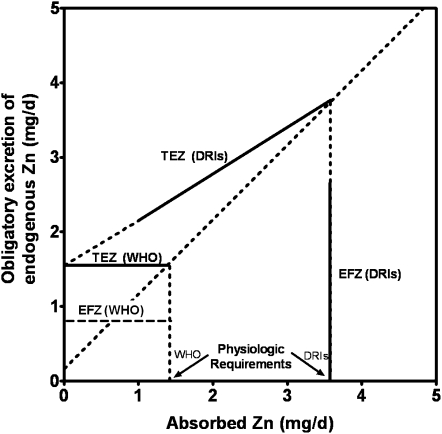
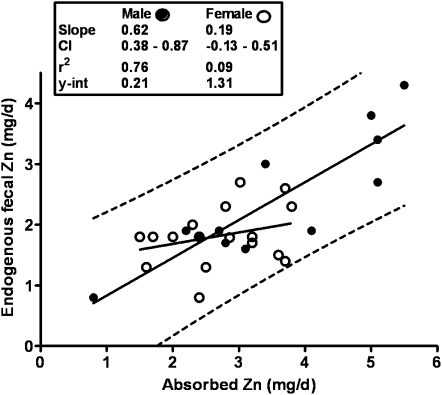
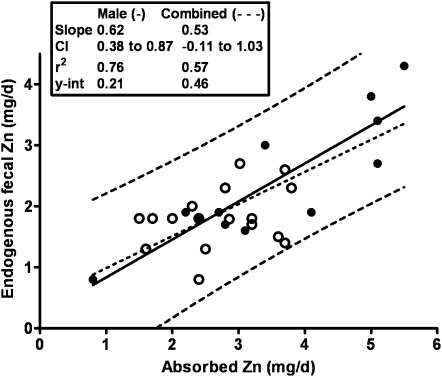
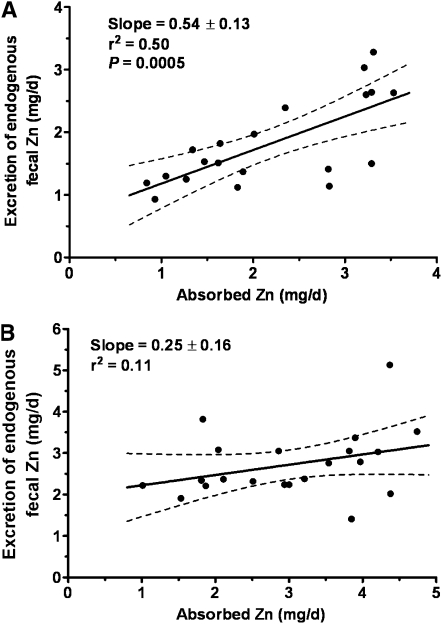
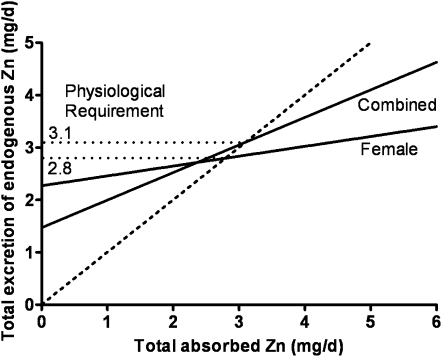
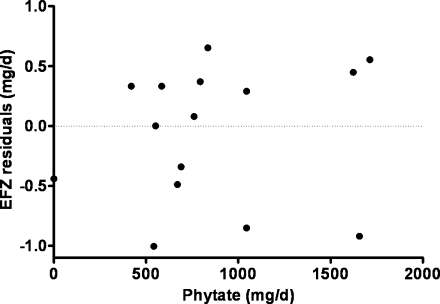
Zinc has earned recognition recently as a micronutrient of outstanding and diverse biological, clinical, and global public health importance. Regulation of absorption by zinc transporters in the enterocyte, together with saturation kinetics of the absorption process into and across the enterocyte, are the principal means by which whole-body zinc homeostasis is maintained. Several physiologic factors, most notably the quantity of zinc ingested, determine the quantity of zinc absorbed and the efficiency of absorption. Other factors are age and the time over which zinc is ingested. Zinc from supplements has not been shown to be absorbed differently from that taken with meals that lack inhibitors of zinc absorption. The principal dietary factor known to impair zinc bioavailability is inositol hexa- (and penta-) phosphate or phytate. Modeling of zinc absorption as a function of dietary zinc and phytate accounts for >80% of the variability in the quantity of zinc absorbed. Fitting the model to new data has resulted in continual improvement in parameter estimates, which currently indicate a maximal absorption in adults of approximately 6 mg Zn/d and that the average estimated dietary requirement doubles with 1000 mg dietary phytate/d. Intestinal excretion of endogenous zinc is regulated in response to recent absorption and to zinc status. The quantitative relation of intestinal excretion of endogenous zinc to zinc absorption is currently considered to be of major importance in the determination of zinc requirements. The effects of phytate on intestinal losses of endogenous zinc merit further investigation but are probably not of the same magnitude as its inhibitory effects on absorption of exogenous zinc.
Figures
References
-
- Baer MT, King JC. Tissue zinc levels and zinc excretion during experimental zinc depletion in young men. Am J Clin Nutr 1984;39:556–70 - PubMed
-
- Food and Nutrition Board, Institute of Medicine Dietary Reference Intakes for Vitamin A, vitamin K, boron, chromium, copper, iodine, iron, manganese, molybdenum, nickel, silicon, vanadium and zinc. Washington, DC: National Academy Press, 2001 - PubMed
-
- Steel L, Cousins RJ. Kinetics of zinc absorption by luminally and vascularly perfused rat intestine. Am J Physiol 1985;248:G46–53 - PubMed
-
- World Health Organization Trace elements in human nutrition. Report of a WHO Expert Committee. World Health Organ Tech Rep Ser 1973;532:9–15 - PubMed
-
- Hambidge KM, Miller LV, Tran CD, Krebs NF. Measurements of zinc absorption: application and interpretation in studies designed to improve human zinc nutriture. Int J Vitam Nutr Res 2005;75:385–93 - PubMed
Publication types
MeSH terms
Substances
Grants and funding
LinkOut - more resources
Full Text Sources
