


Cocaine-induced neuroadaptations in glutamate transmission: potential therapeutic targets for craving and addiction
- PMID: 20201846
- PMCID: PMC5413205
- DOI: 10.1111/j.1749-6632.2009.05144.x
Cocaine-induced neuroadaptations in glutamate transmission: potential therapeutic targets for craving and addiction
Abstract
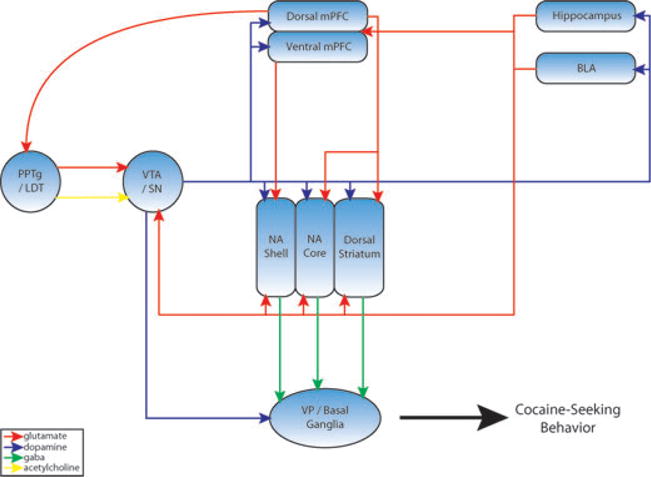
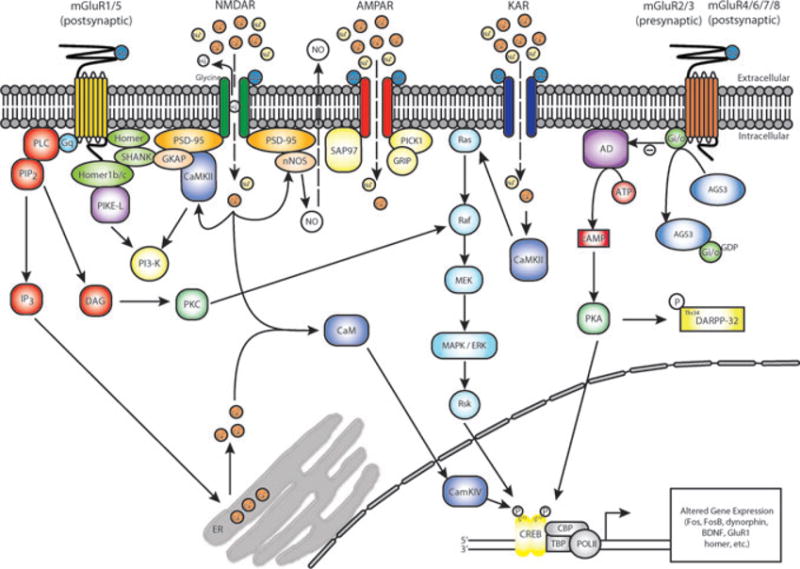
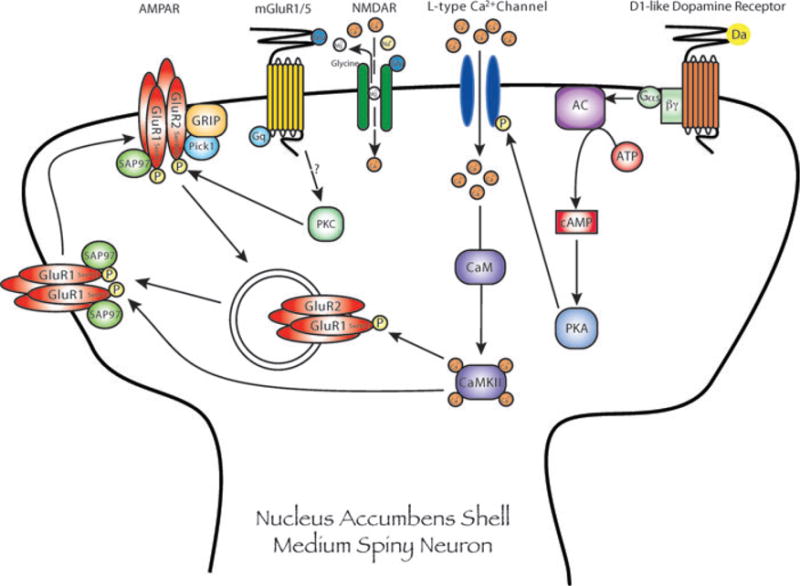
A growing body of evidence indicates that repeated exposure to cocaine leads to profound changes in glutamate transmission in limbic nuclei, particularly the nucleus accumbens. This review focuses on preclinical studies of cocaine-induced behavioral plasticity, including behavioral sensitization, self-administration, and the reinstatement of cocaine seeking. Behavioral, pharmacological, neurochemical, electrophysiological, biochemical, and molecular biological changes associated with cocaine-induced plasticity in glutamate systems are reviewed. The ultimate goal of these lines of research is to identify novel targets for the development of therapies for cocaine craving and addiction. Therefore, we also outline the progress and prospects of glutamate modulators for the treatment of cocaine addiction.
Conflict of interest statement
The authors declare no conflicts of interest.
Figures
References
-
- Substance Abuse and Mental Health Services Administration. Results from the 2007 National Survey on Drug Use and Health. National Findings Office of Applied Studies; Rockville, MD: 2008.
-
- Hunt WA, Barnett LW, Branch LG. Relapse rates in addiction programs. J Clin Psychol. 1971;27:455–456. - PubMed
-
- O’Brien CP. A range of research-based pharmacotherapies for addiction. Science. 1997;278:66–70. - PubMed
-
- Carter BL, Tiffany ST. Cue-reactivity and the future of addiction research. Addiction. 1999;94:349–351. - PubMed
-
- de Wit H, Stewart J. Reinstatement of cocaine-reinforced responding in the rat. Psychopharmacology (Berl) 1981;75:134–143. - PubMed
Publication types
MeSH terms
Substances
Grants and funding
LinkOut - more resources
Full Text Sources
Other Literature Sources
Medical
