


The RAGE axis: a fundamental mechanism signaling danger to the vulnerable vasculature
- PMID: 20299674
- PMCID: PMC2862596
- DOI: 10.1161/CIRCRESAHA.109.212217
The RAGE axis: a fundamental mechanism signaling danger to the vulnerable vasculature
Erratum in
- Circ Res. 2010 Apr 30;106(8):e6
Abstract
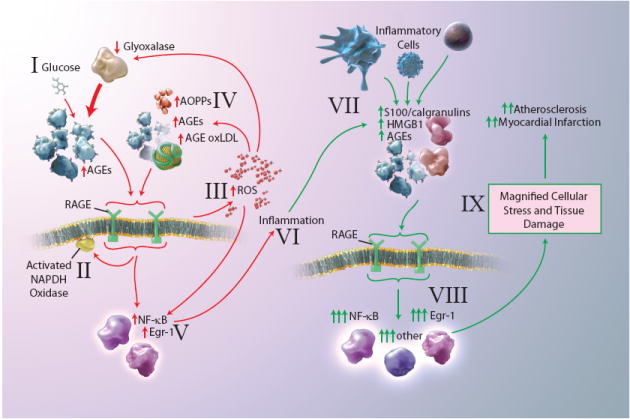
The immunoglobulin superfamily molecule RAGE (receptor for advanced glycation end product) transduces the effects of multiple ligands, including AGEs (advanced glycation end products), advanced oxidation protein products, S100/calgranulins, high-mobility group box-1, amyloid-beta peptide, and beta-sheet fibrils. In diabetes, hyperglycemia likely stimulates the initial burst of production of ligands that interact with RAGE and activate signaling mechanisms. Consequently, increased generation of proinflammatory and prothrombotic molecules and reactive oxygen species trigger further cycles of oxidative stress via RAGE, thus setting the stage for augmented damage to diabetic tissues in the face of further insults. Many of the ligand families of RAGE have been identified in atherosclerotic plaques and in the infarcted heart. Together with increased expression of RAGE in diabetic settings, we propose that release and accumulation of RAGE ligands contribute to exaggerated cellular damage. Stopping the vicious cycle of AGE-RAGE and RAGE axis signaling in the vulnerable heart and great vessels may be essential in controlling and preventing the consequences of diabetes.
Figures
References
-
- Ramasamy R, Yan SF, Schmidt AM. RAGE: therapeutic target and biomarker of the inflammatory response – the evidence mounts. J Leukoc Biol. 2009;86:505–512. - PubMed
-
- Schmidt AM, Sahagan B, Nelson RB, Selmer J, Rothlein R, Bell JM. The role of RAGE in amyloid-beta peptide-mediated pathology in Alzheimer’s disease. Curr Opin Investig Drugs. 2009;10:672–680. - PubMed
-
- Nathan DM, Cleary PA, Backlund JY, Genuth SM, Lachin JM, Orchard TJ, Raskin P, Zinman B Diabetes Control and Complications Trial/Epidemiology of Diabetes Interventions and Complications (DCCT/EDIC) Study Research Group. Intensive diabetes treatment and cardiovascular disease in patients with type 1 diabetes. N Engl J Med. 2005;353:2643–53. - PMC - PubMed
-
- Ahmed B, Bairey Merz CN, Johnson BD, Bittner V, Berga SL, Braunstein GD, Hodgson TK, Smith K, Shaw L, Kelsey SF, Sopko G WISE study group. Diabetes mellitus, hypothalamic hypoestrogenemia, and coronary artery disease in premenopausal women (from the National Heart, Lung, and Blood Institute sponsored WISE study) Am J Cardiol. 2008;102:150–154. - PMC - PubMed
Publication types
MeSH terms
Substances
Grants and funding
LinkOut - more resources
Full Text Sources
Other Literature Sources
Medical
