


Diabetes mellitus impairs tendon-bone healing after rotator cuff repair
- PMID: 20303293
- PMCID: PMC5257255
- DOI: 10.1016/j.jse.2009.11.045
Diabetes mellitus impairs tendon-bone healing after rotator cuff repair
Abstract
Introduction: Studies have demonstrated a significant decrease in skeletal mass, bone mineral density, and impaired fracture healing in the diabetic population. However, the effect of sustained hyperglycemia on tendon-to-bone healing is unknown.
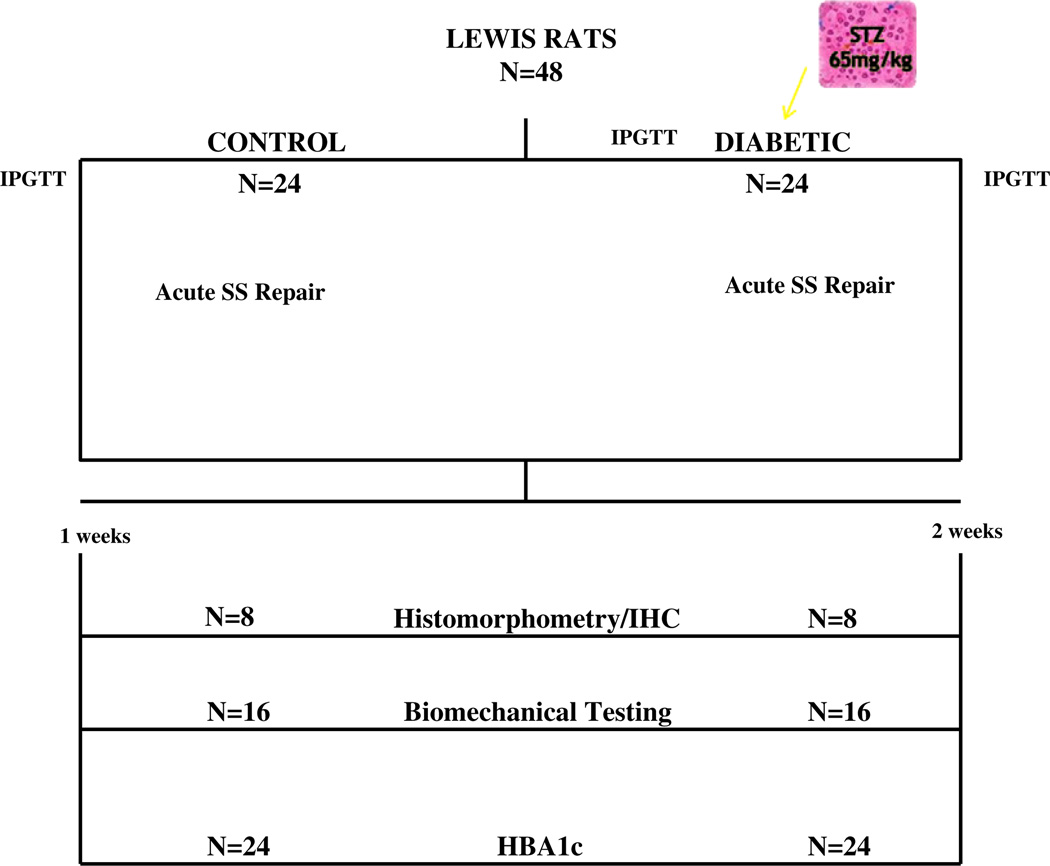
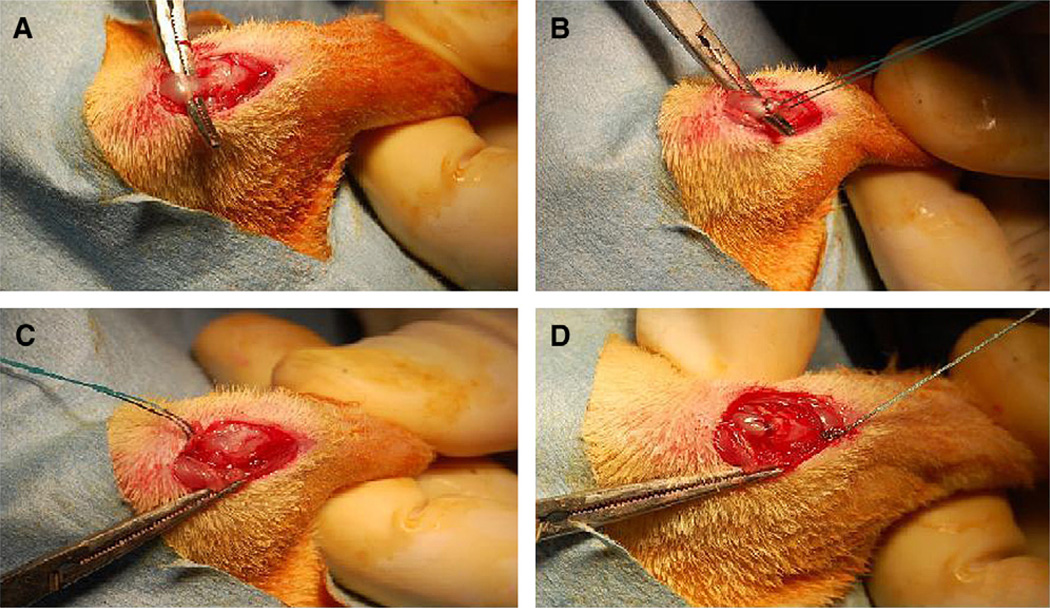
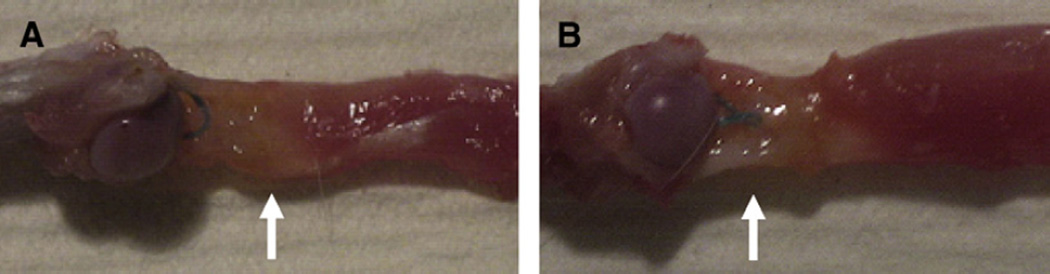
Materials and methods: Forty-eight male, Lewis rats underwent unilateral detachment of the supraspinatus tendon followed by immediate anatomic repair with transosseous fixation. In the experimental group (n = 24), diabetes was induced preoperatively via intraperitoneal injection of streptozotocin (STZ, 65 mg/kg) and confirmed with both pre- and post-STZ injection intraperitoneal glucose tolerance tests (IPGTT). Animals were sacrificed at 1 and 2 weeks postoperatively for biomechanical, histomorphometric, and immunohistochemical analysis. Serum hemoglobin A1c (HbA1c) levels were measured at 2 weeks postoperatively. Statistical comparisons were performed using Student t tests with significance set at P < .05.
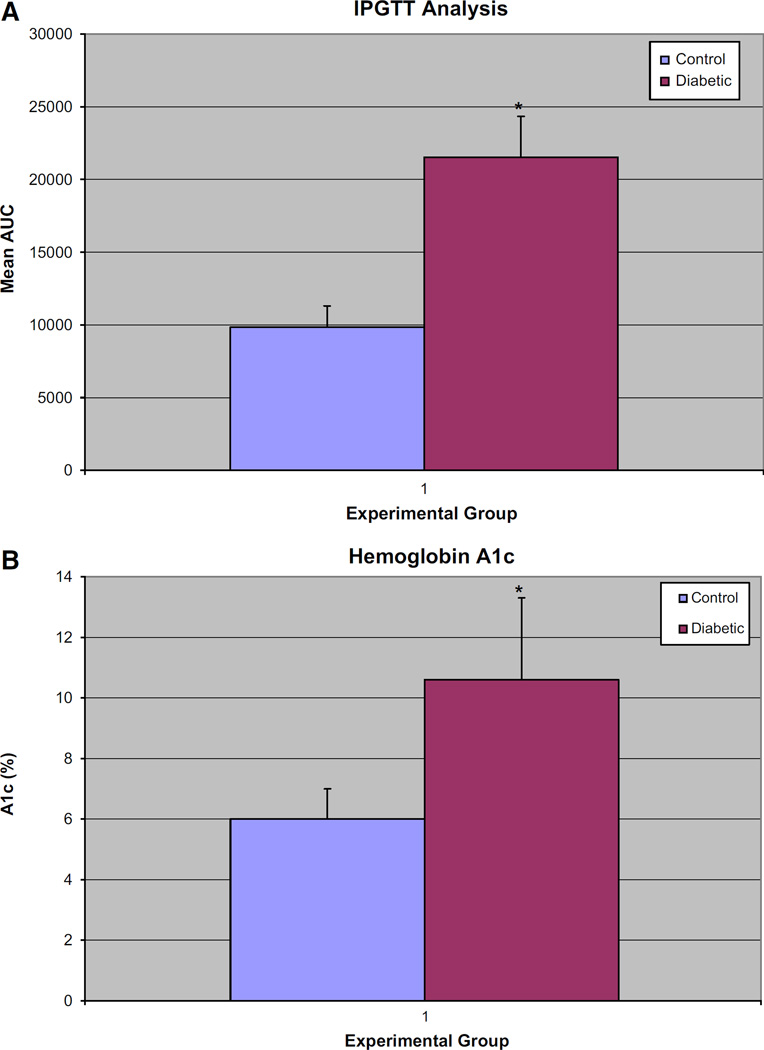
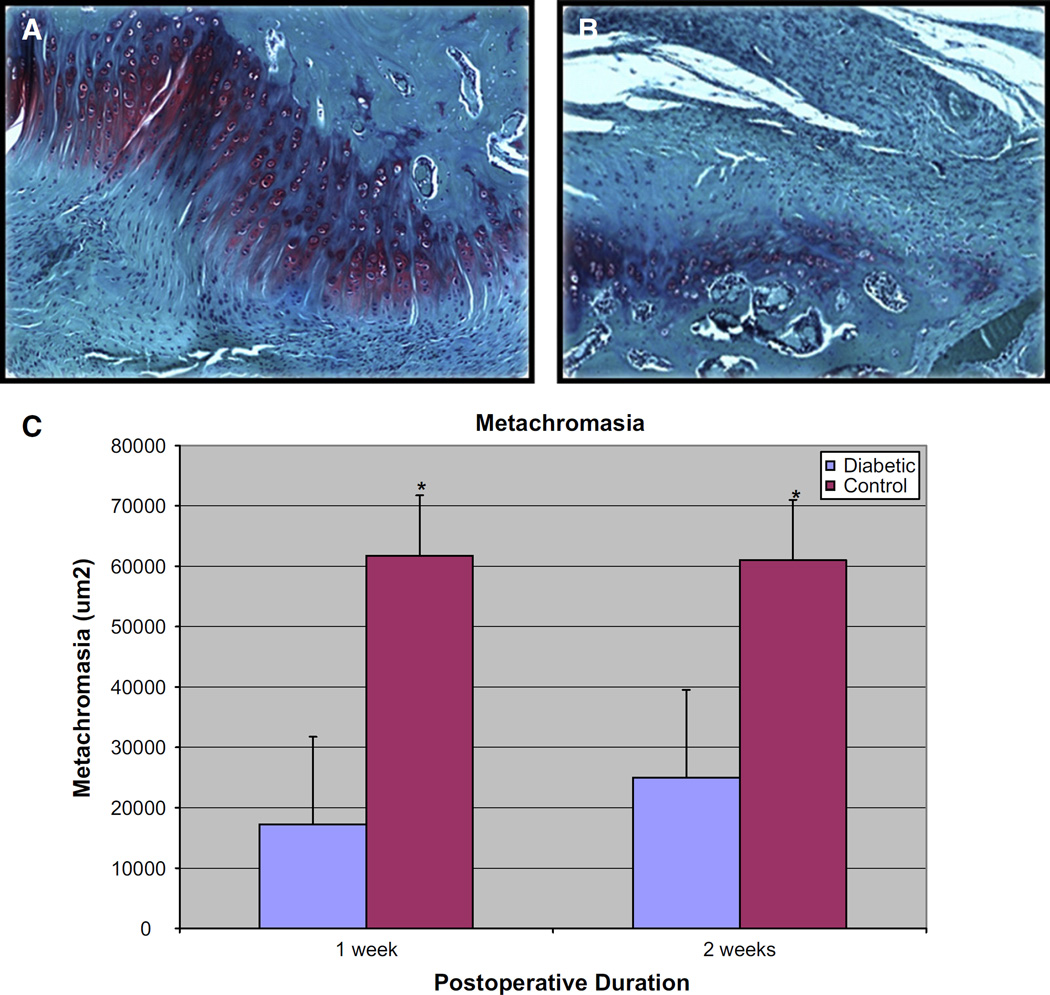
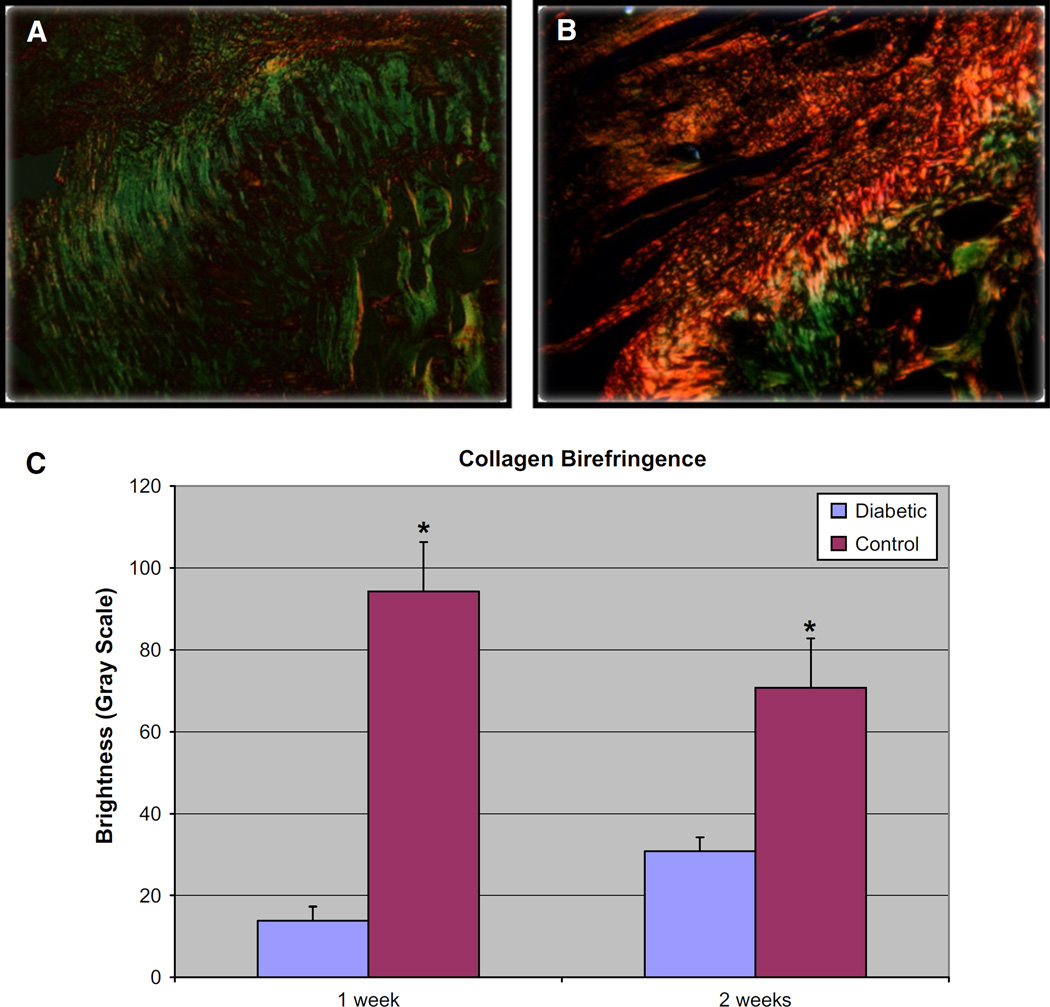
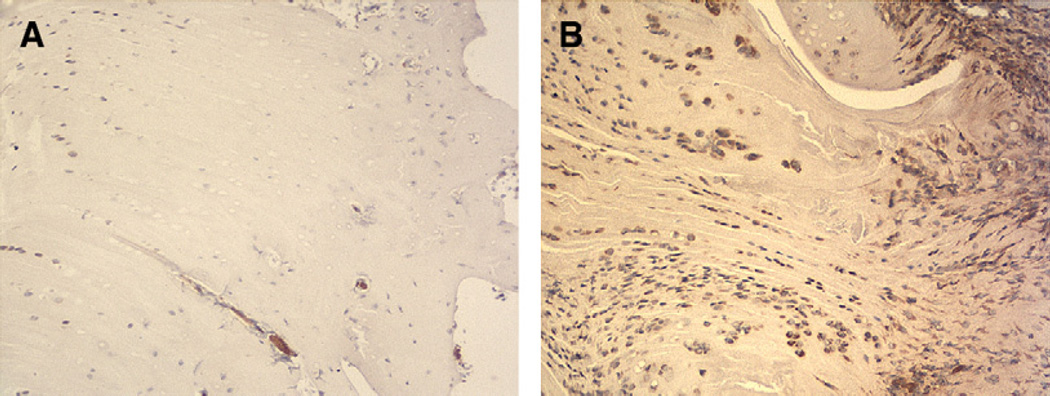
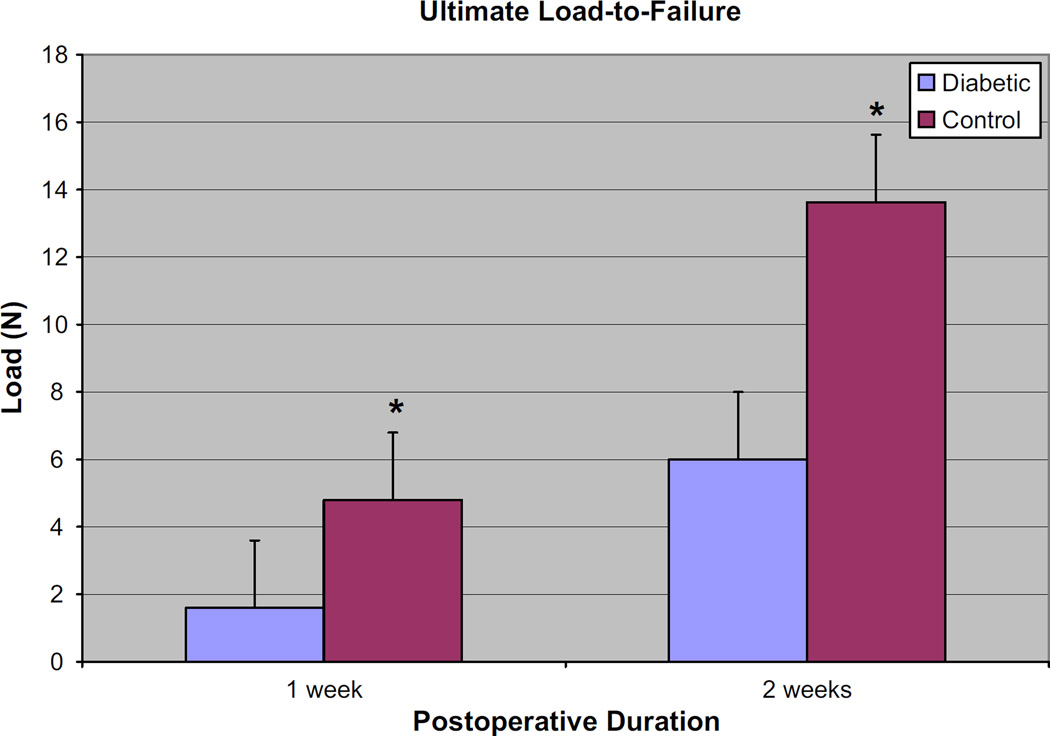
Results: IPGTT analysis demonstrated a significant impairment of glycemic control in the diabetic compared to control animals (P < .05). Mean HbA1c level at 2 weeks postoperatively was 10.6 ± 2.7% and 6.0 ± 1.0% for the diabetic and control groups, respectively (P < .05). Diabetic animals demonstrated significantly less fibrocartilage and organized collagen, and increased AGE deposition at the tendon-bone interface (P < .05). The healing enthesis of diabetic animals demonstrated a significantly reduced ultimate load-to-failure (4.79 ± 1.33 N vs 1.60 ± 1.67 N and 13.63 ± 2.33 N vs 6.0 ± 3.24 N for control versus diabetic animals at 1 and 2 weeks, respectively) and stiffness compared to control animals (P < .05).
Discussion: Sustained hyperglycemia impairs tendon-bone healing after rotator cuff repair in this rodent model. These findings have significant clinical implications for the expected outcomes of soft tissue repair or reconstructive procedures in diabetic patients with poor glycemic control.
Copyright © 2010 Journal of Shoulder and Elbow Surgery Board of Trustees. Published by Mosby, Inc. All rights reserved.
Conflict of interest statement
Disclaimer The authors, their immediate families, and any research foundations with which they are affiliated have not received any financial payments or other benefits from any commercial entity related to the subject of this article and have no potential conflicts of interest related to this manuscript.
Figures
References
-
- Akturk M, Karaahmetoglu S, Kacar M, Muftuoglu O. Thickness of the supraspinatus and biceps tendons in diabetic patients. Diabetes Care. 2002;25:408. - PubMed
-
- Allen DW, Schroeder WA, Balog J. Observations on the chromatographic heterogeneity of normal adult and fetal human hemoglobin: A study on the effects of crystallization and chromatography on the heterogeneity and isoleucine content. J Am Chem Soc. 1958;80:1628–1634.
-
- Alt N, Carson JA, Alderson NL, Wanh Y, Nagai R, Henle T, et al. Chemical modification of muscle protein in diabetes. Arch Biochem Biophys. 2004;425:200–206. - PubMed
-
- Altinel L, Cagri Kose K, Degirmenci B, Petik B, Acarturk G, Colbay M. The midterm effect of diabetes mellitus on quadriceps and patellar tendons in patients with knee arthrosis: a comparative radiologic study. J Diabetes Compl. 2007;21:392–396. - PubMed
MeSH terms
Substances
Grants and funding
LinkOut - more resources
Full Text Sources
Medical
